
Pests
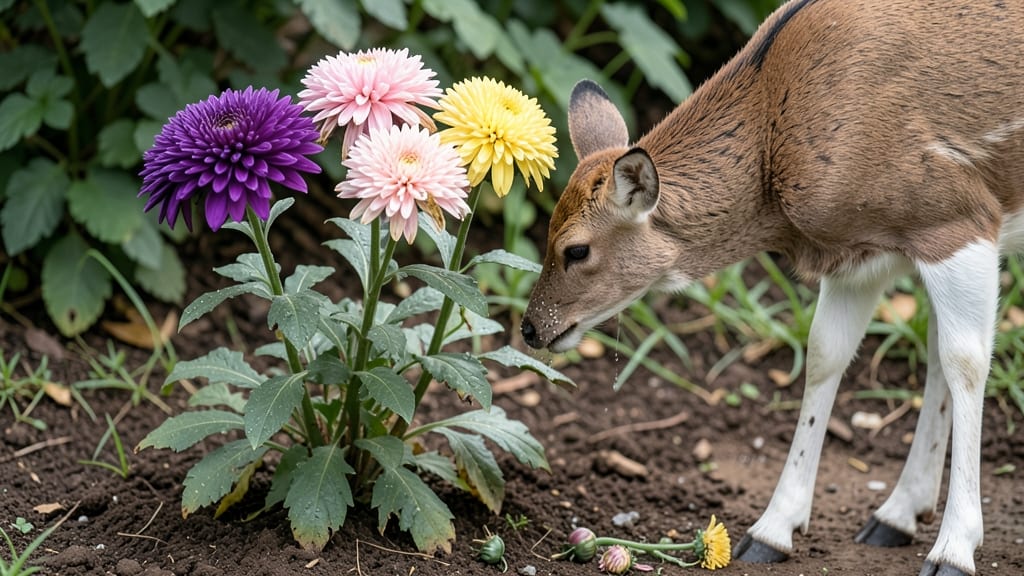
Deer do eat mums flowers, particularly the tender leaves and stems of chrysanthemums, often leaving behind ragged edges or completely stripped plants. Their preference for these plants makes them a common garden pest in fall and early winter.
Chrysanthemums, or "mums," are a deer’s fall and winter buffet because their tender growth provides essential nutrients when other food sources dwindle. 🌿 These plants contain compounds like flavonoids that deer find appealing, especially during lean months when natural forage is scarce.
Unlike some tougher perennials, mums’ soft stems and broad leaves offer easy access to calories, making them a high-priority snack before winter sets in.
What’s worse is that deer often return to the same plants, stripping them repeatedly until they’re completely defoliated. This isn’t just an aesthetic issue—it weakens the plant’s ability to rebound for next year’s blooms.
If you’ve noticed your garden mums looking ragged by late autumn, you’re likely dealing with a deer problem, not just poor growing conditions.
💡 In This Article
- Why Deer Target Mums Flowers in Gardens
- Effective Deer-Resistant Mums Varieties and Repellents
Why deer target mums flowers in gardens
Here's what's actually happening in your garden: deer are drawn to chrysanthemums because these plants contain 15-20% water content during their peak growth season (fall), making them hydrating and easy to digest.
The broad leaves also provide high surface area for efficient nutrient absorption—something deer prioritize when natural forage becomes scarce. Unlike woody plants, mums have tender stems that require minimal chewing effort, offering quick energy with minimal metabolic cost. 🌿
The science behind this preference lies in chrysanthemums' chemical profile. These flowers contain flavonoids and glycosides that deer find palatable, particularly when other food sources become limited. In late autumn, when deer's primary food—grasses and clover—starts drying out, mums become a high-value alternative.
Studies show deer consume up to 30% more vegetation during this period, and tender perennials like mums are prime targets. The plants' aromatic compounds also make them more appealing than many other broadleaf plants.
What most people don't realize is how deer's seasonal behavior amplifies this problem. During rutting season (October-November), bucks need 20-30% more calories to sustain their energy levels, making them even more aggressive about foraging.
Does with fawns also target mums because the plants' high carbohydrate content helps support lactation. This creates a perfect storm where your garden becomes a deer buffet during their most hungry months. 🍃
When comparing mums to deer-resistant plants, the differences become clear. Plants like lavender or Russian sage have strong aromatic oils that deer avoid, while boxwood or barberry contain bitter alkaloids that deter browsing. Mums lack these natural defenses—their mild flavor profile and soft texture make them irresistible to deer.
Even the woolly texture of some mums varieties doesn't provide enough protection, as deer will still strip the underlying tender growth.
Another critical factor is how mums grow. Their basal rosette habit (growth pattern) keeps new leaves within easy reach of deer's mouth level (12-18 inches from ground), while their spreading habit makes them accessible from multiple angles.
Unlike upright plants that deer might avoid due to visibility, mums' ground-hugging growth provides 360-degree access to their foliage. This growth pattern, combined with their rapid regrowth after pruning, makes them particularly vulnerable to repeated deer browsing. 🦌
The timing of mums' growth also plays a role. They often rebloom in late summer and maintain tender new growth into October, precisely when deer are most active.
Unlike many perennials that harden off in early fall, mums stay soft and palatable for weeks longer, creating a two-month window where they're prime deer targets. This extended vulnerability period is what makes them such persistent garden pests during the critical fall season.