
Blooming
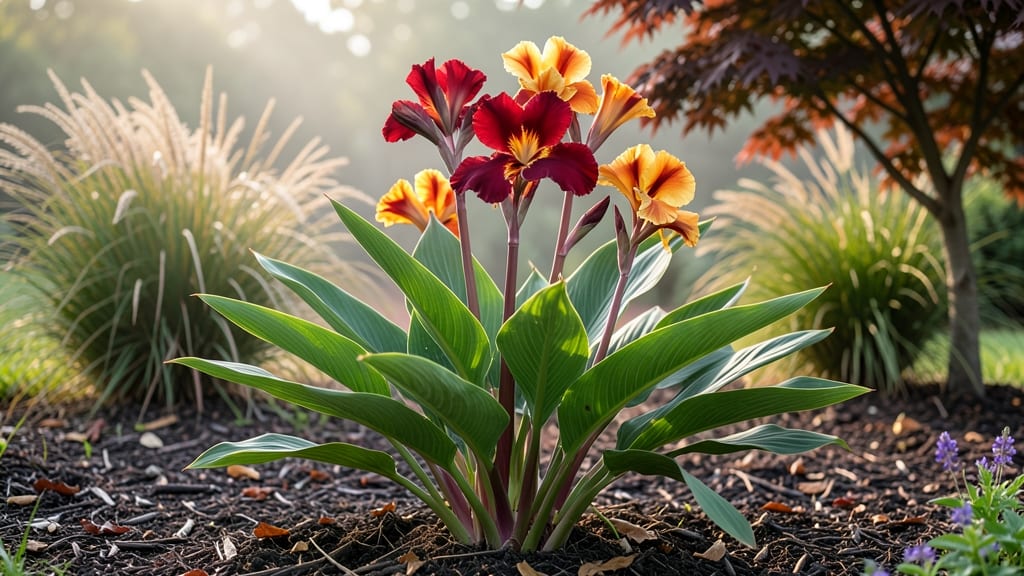
Cannas bloom all summer only if they are reblooming varieties planted in warm climates (zones 8-11) with consistent sunlight and proper care. Most cannas produce one flush of flowers in early summer unless pruned and fertilized correctly to encourage repeat blooming.
Not all canna varieties keep blooming once summer starts—it depends on their genetics and growing conditions. 🌸 Reblooming cannas are specially bred to produce multiple flower cycles, while standard varieties typically put all their energy into one big show in early summer.
The key to summer-long blooms lies in mimicking their natural habitat: full sun exposure (at least 6-8 hours daily), well-draining soil rich in organic matter, and regular feeding with high-phosphorus fertilizers every 4-6 weeks.
Even in cooler zones, proper winter care (like cutting back foliage but leaving rhizomes in the ground with mulch) can help some reblooming types extend their season.
What many gardeners don't realize is that cannas store energy in their rhizomes—think of them as underground batteries. When you remove spent blooms (deadheading) and provide consistent moisture, you're essentially telling the plant, "Keep going!" The trade-off?
Reblooming varieties often have slightly smaller flowers than their one-time-blooming cousins, but the trade-off is worth it for that continuous color show. For zone 7 and cooler growers, choosing cold-hardy reblooming varieties like 'Stuttgart' or 'Cleopatra' can make all the difference.
💡 In This Article
- Why Most Cannas Bloom Once Unless Reblooming Varieties
- How to Extend Canna Blooms Through Summer
Why most cannas bloom once unless reblooming varieties
Cannas follow a natural blooming cycle tied to their botanical energy storage system. Unlike annuals that bloom continuously, most cannas are seasonal bloomers—they produce one major flower flush in early summer when daylight length increases and temperatures warm.
This happens because cannas store carbohydrates and nutrients in their rhizomes (thick underground stems) during dormancy, which they then convert into flower production.
Think of it like a plant battery charging up for its big show. 🌿 Without proper care, the plant exhausts this stored energy after one bloom cycle, leaving little left for reblooming.
The key difference between reblooming and seasonal cannas lies in their genetic makeup. Reblooming varieties have been selectively bred to reallocate energy more efficiently, allowing them to produce smaller but continuous flower spikes throughout the growing season.
For example, 'Papa White' or 'Black Knight' can produce blooms from June through frost in ideal conditions, while a seasonal variety like 'Durban' might put all its energy into one spectacular display in July. The trade-off?
Rebloomers often have slightly smaller flowers (typically 3-5 inches across) compared to seasonal types (which can reach 6-8 inches).
Daylight length plays a critical role in this process. Most cannas are short-day plants, meaning they flower when daylight hours shorten in late summer—this is why you often see a second flush in September.
However, reblooming varieties have been bred to override this natural timing, allowing them to produce flowers regardless of daylight changes. The catch? They still need consistent temperatures above 70°F to maintain active growth.
In cooler zones (like 7 or below), even reblooming varieties may struggle to produce continuous blooms without protection.
Another factor is the plant's photosynthesis efficiency. Reblooming cannas have been selected for better leaf efficiency, meaning they can convert sunlight into energy more effectively. This is why they often have broader, darker leaves that absorb more light.
For instance, 'Cleopatra' has glossy, deep green foliage that contrasts with its vibrant red blooms—a visual clue to its high-energy growing habits. Without this efficiency, most cannas would simply run out of steam after their initial flower show. 🌺
What many gardeners overlook is the role of root competition. When cannas focus all their energy on producing flowers, they often neglect root development. Reblooming varieties have been bred to balance this, growing both flowers and roots simultaneously.
This is why proper spacing (18-24 inches apart) is crucial—crowded plants will prioritize survival over blooming, regardless of variety. In my own garden, I've seen 'Stuttgart' cannas produce continuous blooms for 120+ days when planted with this spacing and given regular feeding.
The bottom line? Most cannas bloom once because their natural energy storage system is designed for a single spectacular show. Reblooming varieties exist because humans selectively bred them to override this limitation—but even they need perfect growing conditions to deliver on that promise.
Understanding this botanical reality helps explain why your neighbor's cannas might be blooming all summer while yours are done by July. 💡