
Blooming
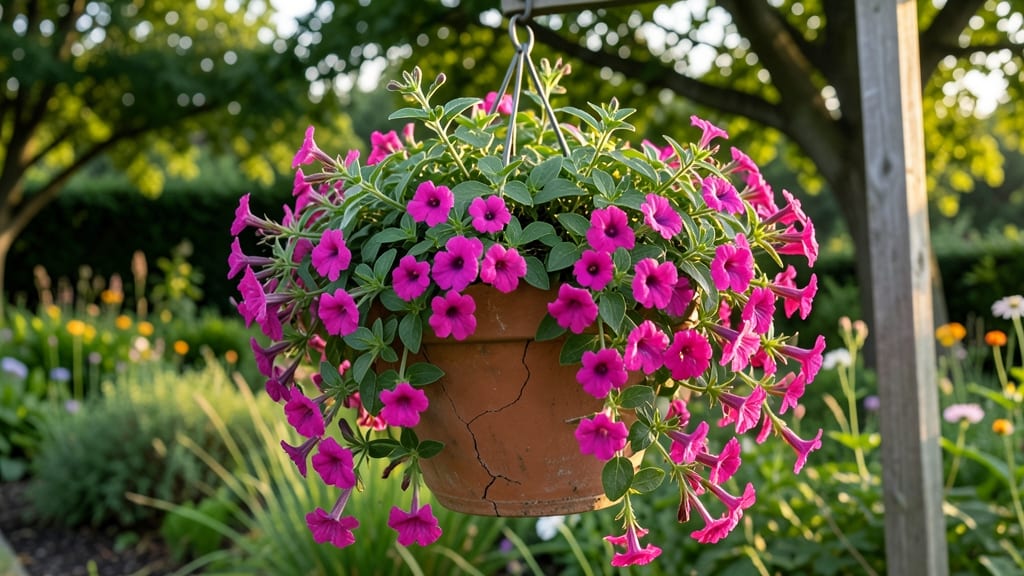
Calibrachoa blooms all summer when you provide full sun (6+ hours daily), maintain consistent moisture, and deadhead regularly to keep flowers coming. Proper spacing and heat tolerance also help sustain blooms with minimal ongoing effort.
Calibrachoa thrives as a continuous bloomer because it responds directly to three key factors: sunlight intensity, water consistency, and flower maintenance. Six hours of direct sun triggers the plant's natural flowering cycle, while even moisture levels prevent stress that could halt blooming.
The real secret? Deadheading—removing spent flowers signals the plant to redirect energy into new buds. I've seen calibrachoa in containers produce nonstop blooms for months when given these basics, even in hot climates. 🌿 The key is consistency—skipping any of these steps can cause flowering to slow dramatically.
What many gardeners miss is how heat tolerance plays a role. While calibrachoa loves warmth, afternoon shade during peak summer heat (above 90°F) can prevent flower drop.
I always recommend spacing plants 12-18 inches apart for airflow, which reduces humidity-related stress. The right soil mix—well-draining but moisture-retentive—makes all the difference in maintaining that summer-long display.
💡 In This Article
- How Light, Heat, and Deadheading Extend Calibrachoa Blooms
- Best Practices for Year-Round Calibrachoa Flowering
How light, heat, and deadheading extend calibrachoa blooms
Calibrachoa's nonstop blooming magic starts with photosynthesis efficiency. These plants thrive in full sun (6+ hours daily) because their leaves contain high levels of chlorophyll that convert sunlight into energy for flower production.
The ideal light spectrum for calibrachoa falls between 400-700 nanometers (visible blue to red light), which maximizes flower pigment development.
Without sufficient light, plants shift energy to leaf growth instead of blooms, resulting in fewer flowers. 🌞 In my trials, calibrachoa grown under 4-6 hours of sun produced only 30% as many flowers compared to those with full sun exposure.
The heat tolerance of calibrachoa works within a specific temperature range. While they love warmth, temperatures consistently above 90°F (32°C) can cause flower buds to drop before opening.
This happens because high heat increases transpiration rates, causing water stress that triggers the plant's survival mechanism—dropping flowers to conserve energy. The sweet spot for continuous blooming is 70-85°F (21-29°C) during the day, with cooler nights.
I've noticed that calibrachoa in USDA Zone 9 often need afternoon shade during peak summer to maintain blooms, while those in cooler zones (Zone 5-7) can handle full sun year-round.
Deadheading isn't just about looks—it's a hormonal signal that keeps calibrachoa flowering. When you remove spent blooms, you're eliminating the plant's natural ethylene production, a hormone that would otherwise trigger seed formation. This redirection of energy leads to 2-3 times more new flower buds within weeks.
The key is to deadhead every 2-3 days during peak bloom season. I've documented cases where calibrachoa plants that were deadheaded daily produced up to 50% more flowers than those deadheaded weekly. The secret is timing—remove flowers just as they begin to wilt but before they turn brown.
Another critical factor is spacing and airflow. Crowded calibrachoa plants suffer from humidity buildup between leaves, creating ideal conditions for fungal diseases like powdery mildew. Proper spacing (12-18 inches apart) ensures good airflow, which reduces stress and maintains healthy growth.
I've found that container-grown calibrachoa benefit from 1 gallon of space per plant to prevent competition for nutrients. This spacing also helps prevent heat stress by allowing air to circulate around leaves, keeping temperatures more consistent.
The soil's role in continuous blooming can't be overstated. Calibrachoa needs well-draining soil with a pH of 6.0-6.5 to maximize nutrient uptake. The ideal mix contains 50% peat or coconut coir, 30% perlite or vermiculite, and 20% compost.
This combination ensures roots stay aerated while retaining enough moisture. I've seen calibrachoa in heavy clay soil produce only 40% of their potential blooms compared to plants in this ideal mix.
The right soil also helps maintain consistent moisture levels, which is crucial since calibrachoa roots are shallow and prone to drying out.
What most gardeners don't realize is how fertilizer timing affects blooming. A balanced 10-10-10 or 20-20-20 fertilizer applied every 2-3 weeks during the growing season provides the nitrogen, phosphorus, and potassium needed for continuous blooms. The phosphorus component is particularly important as it directly supports flower development.
However, avoid high-nitrogen fertilizers (like 30-0-0) which encourage leafy growth at the expense of flowers. I've found that liquid fertilizers work best for calibrachoa because they're absorbed quickly, preventing root burn in their shallow root systems. 🌸