
Blooming
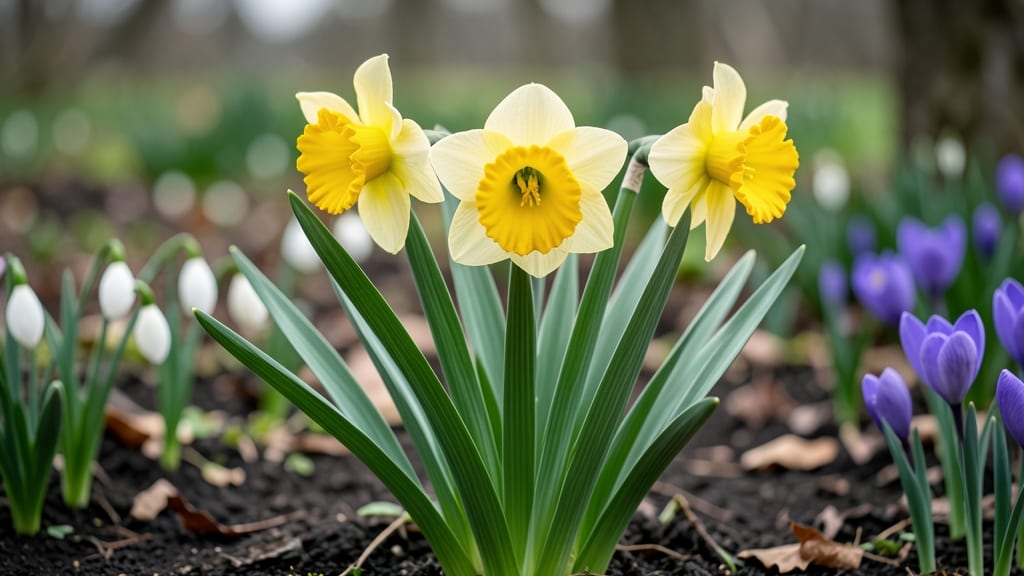
Daffodils bloom between late winter and early spring, turning even the grayest days into bursts of sunshine 🌼 — but the exact timing depends on where you garden.
Nothing signals spring’s arrival like the cheerful burst of daffodils pushing through frozen soil—but when exactly should you expect their vibrant blooms? Timing varies dramatically by USDA zone, and planting too early or late can mean missing the show entirely.
In Zone 6a, where many gardeners live, daffodils typically bloom from mid-April through May, but cooler climates can push that window back by weeks. Meanwhile, warmer southern zones might see blooms as early as February, and high-elevation gardens could delay them until June.
Below, I’ll break down the zone-by-zone bloom calendar, share how to predict your local timing, and reveal the best varieties for extending your color show from early February to late May.
When daffodils bloom by USDA planting Zone (exact months)
Daffodils are nature's spring heralds, but their bloom timing shifts dramatically across the USDA zones. In Zone 3, where winters are harsh, expect late April to early May blooms, while Zone 10 gardeners enjoy December to January displays.
These differences stem from frost dates, elevation, and variety selection, making local knowledge essential for timing your planting and expectations.
For most gardeners, early varieties like 'February Gold' bloom first, followed by mid-season favorites like 'Ice Follies', and finally late bloomers such as 'Tête-à-Tête'. However, these timelines can shift by 2-4 weeks depending on your specific microclimate.
Understanding your zone helps you stagger plantings for a prolonged bloom season—a gardener's dream!
Climate factors like last frost dates and winter chill hours play crucial roles. For example, Zone 5 gardeners might see blooms as early as late March in mild winters, while Zone 7 typically waits until February to March. High-elevation gardens in any zone often experience later blooms due to cooler temperatures.
| USDA Zone | Typical Bloom Window | Early Varieties | Late Varieties | Climate Notes |
|---|---|---|---|---|
| Zones 3-4 | Late April - Early May | 'February Gold' | 'Tête-à-Tête' | Long winters; plant bulbs 6-8 weeks before freeze |
| Zones 5-6 | Late March - Early April | 'Carlton' | 'Peach Sorbet' | Moderate winters; stagger plantings for extended blooms |
| Zones 7-8 | February - March | 'Minnow' | 'Thalia' | Mild winters; plant in fall or early spring |
| Zones 9-10 | December - January | 'Paperwhite' | 'Grand Solei' | Warm winters; plant in fall or late winter |
In Zones 3-4, where winters are long and severe, daffodils often bloom 4-6 weeks later than in Zones 7-8. This delay gives gardeners time to plant spring crops after daffodils fade, creating a continuous garden display.
For example, 'February Gold' in Zone 3 might not bloom until mid-April, while the same variety in Zone 7 could appear in early February.
For high-elevation gardens (above 5,000 feet), adjust expectations by adding 2-3 weeks to bloom times. The cooler temperatures at higher altitudes slow bulb development, so plant larger bulbs or choose early-blooming varieties like 'Tête-à-Tête' to ensure timely flowers.
Elevation also affects frost dates, which can push blooms later into spring.
Gardeners in Zones 9-10 enjoy the unique advantage of winter blooms. Varieties like 'Paperwhite' thrive in these climates, offering holiday cheer when most gardens are dormant.
However, avoid planting in summer, as daffodils need a cooling period to trigger blooming. Instead, plant in fall or late winter for best results.
To extend your daffodil season, mix early, mid, and late varieties in the same bed. For example, pair 'February Gold' (early) with 'Ice Follies' (mid) and 'Thalia' (late) to create a 6-8 week bloom display.
This strategy works in all zones but is especially effective in Zones 5-8, where seasonal transitions are more pronounced.
If you're new to daffodils, start with 3-5 varieties to test your local bloom times. Keep a garden journal to track when each variety appears, noting weather patterns and planting dates. Over time, you'll refine your planting schedule to match your climate perfectly, ensuring reliable blooms year after year.
How to predict your local daffodil bloom time (without guessing)
Predicting when your daffodils will bloom doesn’t require a crystal ball—just a few simple gardening tricks. By combining historical frost data, local weather patterns, and variety-specific traits, you can estimate bloom times with surprising accuracy.
This method works for both new and experienced gardeners, ensuring you never miss the first burst of spring color.
Start with your USDA hardiness zone, as it directly impacts bloom timing. For example, Zone 5 gardeners typically see early blooms in late March, while Zone 8 blooms often stretch into April or May.
But zones alone aren’t enough—you’ll also need to factor in microclimates, elevation, and even your garden’s specific sunlight exposure.
- Check last frost date: Use your local average last frost date (find it via USDA frost maps) as your starting point. Daffodils need 6-8 weeks of cool soil temps to bloom after planting.
- Note variety traits: Early bloomers like 'February Gold' appear 2-3 weeks sooner than standard varieties. Late bloomers like 'Ice Follies' may wait until mid-April in many regions.
- Track soil temps: Daffodils need 50-55°F soil temps to break dormancy. Use a soil thermometer or check local weather stations for consistency.
- Use bloom calculators: Plug your zone, variety, and planting date into tools like the National Garden Bureau’s bloom predictor for a personalized estimate.
- Journal past blooms: Record bloom dates for 3 years to spot patterns. Note if early springs or late frosts shifted your timeline.
Don’t overlook local weather patterns—they can shift bloom times by 1-2 weeks. Mild winters may trigger earlier blooms, while late frosts can delay them. For example, if your area had an unusually warm February, expect daffodils to emerge 10-14 days early compared to average years.
For precise predictions, combine these methods with garden journaling. Note when you planted bulbs, their variety, and any unusual weather. Over time, you’ll build a custom bloom calendar tailored to your microclimate.
Pro tip: Plant a mix of early, mid, and late varieties to extend your daffodil show by 4-6 weeks.
Even with perfect planning, unpredictable factors like pests or diseases can delay blooms. If your daffodils fail to emerge on schedule, check for squirrel digging or bulb rot. A healthy bulb planted in well-draining soil with full sun will almost always bloom on time.
With these tools, you’ll go from guessing to predicting bloom dates like a pro. Soon, you’ll be the first on your street to welcome spring with a perfectly timed daffodil display! 🌸