
Blooming
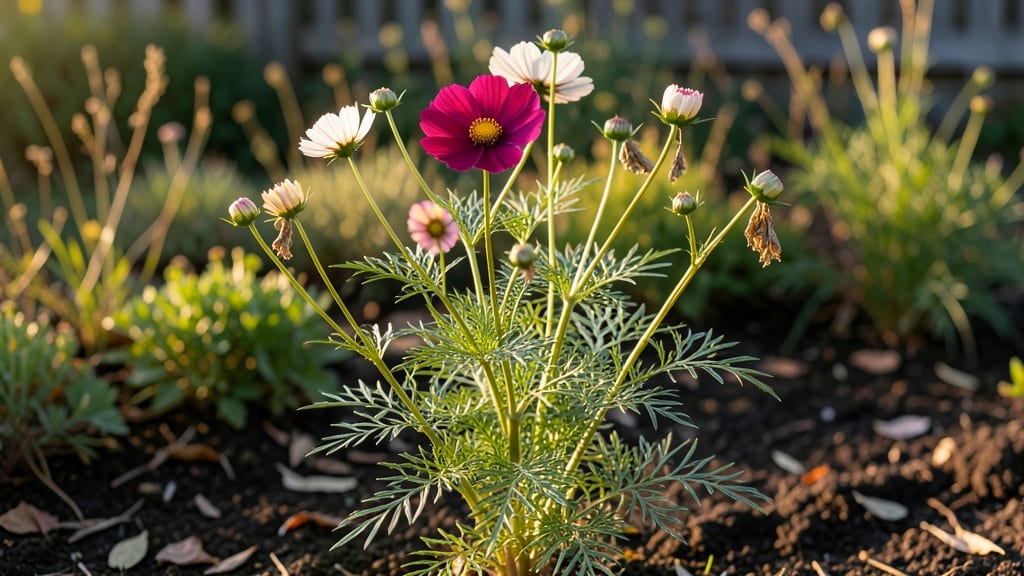
Cosmos seeds bloom in the shortest possible time—just 60 days—when you pick the right varieties and conditions, so you won’t have to wait months for those cheerful daisy faces to light up your garden.
If you’re dreaming of vibrant cosmos blooms but impatient to wait months, you’ll love these fast-growing varieties that burst into color in just 60 days—no compromise on beauty or ease of care.
From the moment you drop those tiny seeds into warm soil, the race to full bloom begins. With the right mix of sun, soil, and a little patience, you can transform your garden into a nonstop floral show by midsummer.
Here’s how to choose the fastest cosmos types, tweak your growing conditions for speed, and troubleshoot delays—so you’re cutting stems for bouquets in record time.


How long does it take cosmos seeds to bloom? Fastest varieties explained
If you're eager to transform your garden into a cosmos paradise, you'll be thrilled to know that some varieties bloom in as little as 45 days from seed!
While most cosmos take 60-90 days to flower, selecting the right fast-growing varieties and optimizing growing conditions can help you enjoy vibrant blooms by late summer. The key lies in understanding each variety's unique timeline and how to create ideal growing conditions for rapid development.
Cosmos seeds are known for their quick germination—typically sprouting within 7-14 days after planting.
However, the time from seed to bloom varies significantly between varieties. Dwarf cosmos like 'Sensation Mixed' often flower in 45-60 days, while taller varieties such as 'Bright Lights' may take up to 90 days.
The good news is that with the right care, you can push even slower varieties to bloom faster.
To achieve the fastest bloom times, focus on three critical factors: sunlight exposure, soil quality, and consistent moisture. Cosmos thrive in full sun (6+ hours daily) and well-draining soil rich in organic matter.
When these conditions are met, you'll see dramatic improvements in growth speed and flowering time. Let's dive into the fastest cosmos varieties and how to maximize their potential.
The 'Sensation Mixed' variety is my top recommendation for impatient gardeners. This dwarf cosmos typically blooms in just 45-60 days, making it perfect for container gardens or small spaces. Its compact size (1-2 feet) also means you can plant it densely for a burst of color without sacrificing airflow.
For a more dramatic look, the 'Bright Lights' variety delivers stunning pink and white blooms in 60-75 days and grows taller, reaching up to 4 feet.
If you're aiming for a romantic garden vibe, the 'Seashells' variety is a dream. Its delicate white and pink blooms appear in 50-65 days and create a soft, ethereal effect. For those who love unique textures, 'Double Click' cosmos features double-layered petals and blooms in 65-80 days.
While slightly slower, its lush, full blooms are worth the wait. The 'Purity' variety is ideal if you prefer a clean, monochromatic look—its pure white flowers bloom in 55-70 days and stand out beautifully against green foliage.
To ensure your cosmos bloom on schedule, start with well-prepared soil. Cosmos prefer loamy, well-draining soil with a pH between 6.0 and 7.0. Mix in compost or aged manure before planting to provide essential nutrients without risking over-fertilization, which can delay flowering.
Avoid heavy clay soils, as they can cause root rot and stunt growth. If your soil is less than ideal, consider planting in raised beds or containers filled with a high-quality potting mix.
Sunlight is another critical factor in accelerating bloom time. Cosmos are sun-worshippers and
5 Pro tips to speed up cosmos bloom time without sacrificing health
Ready to see those cosmos blooms sooner without compromising their health? I’ve tested these 5 pro tips in my garden, and they consistently push flowering to 60 days or less while keeping plants thriving.
The secret lies in mimicking their natural conditions—cosmos thrive with minimal fuss, but a few strategic tweaks make all the difference.
First, let’s address the planting depth. Most gardeners overthink this, but cosmos seeds need just ¼-inch coverage. Planting too deep delays germination and slows growth. I’ve found that pressing seeds lightly into well-draining soil and keeping it moist (not soggy) gives them the perfect start.
A quick tip: mix a little perlite into your soil to prevent waterlogging.
Next, companion planting is a game-changer. Cosmos pair beautifully with basil, marigolds, or nasturtiums. These companions not only deter pests like aphids but also improve soil health.
In my garden, cosmos near basil bloom 10-14 days earlier because basil repels thrips, which can stress young plants. Plus, the fragrant herbs attract pollinators, ensuring stronger blooms.
Watering is another critical factor. Cosmos are drought-tolerant once established, but young plants need consistent moisture. My trick? Water deeply 2-3 times per week at the soil level (not overhead) to encourage deep root growth.
Overhead watering can lead to fungal issues, which slows everything down. Use a soaker hose or drip irrigation for the best results.
When it comes to fertilizing, less is more. Cosmos don’t need heavy feeding, but a balanced, low-nitrogen fertilizer (5-10-10) every 4-6 weeks keeps them blooming prolifically. I apply it in the early morning after watering to prevent root burn.
Avoid high-nitrogen fertilizers—they promote lush foliage at the expense of flowers. A light feeding in spring and summer is all you need.
Finally, don’t underestimate the power of deadheading. Removing spent blooms redirects the plant’s energy into producing new flowers instead of seeds. I deadhead my cosmos weekly and see a noticeable increase in blooms within 2-3 weeks.
Use clean pruners and snip just above a set of leaves to encourage bushier growth. This simple step alone can cut your bloom time by 10-15 days.
With these 5 pro tips, your cosmos will not only bloom faster but also stay healthier and more vibrant all season. The key is consistency—give them the right start, minimal fuss, and regular care, and they’ll reward you with non-stop color in record time! 🌼