
Blooming
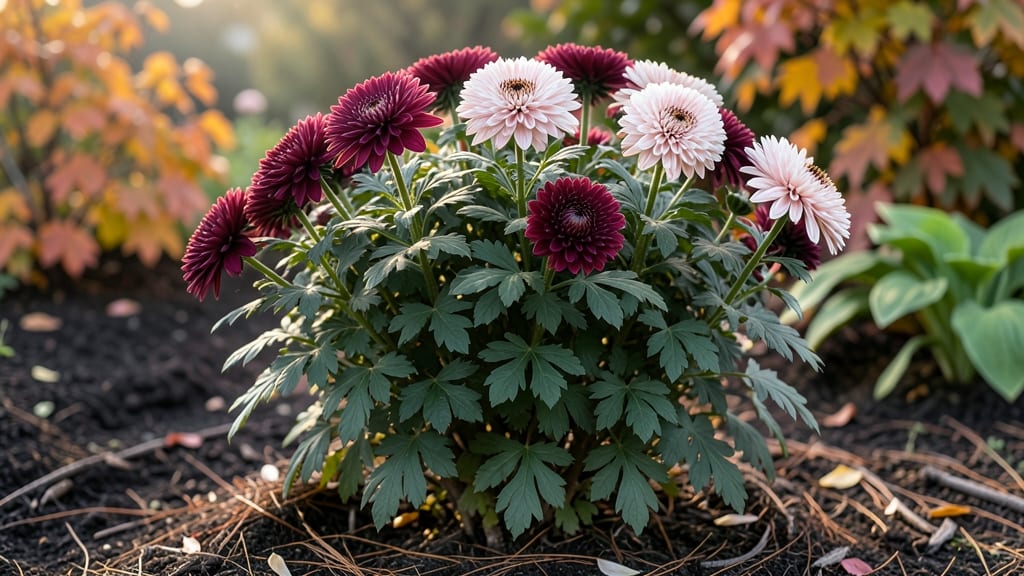
Timing chrysanthemum blooms 🌼 for fall’s peak color depends on your zone and a few simple tricks that make all the difference.
Fall’s most vibrant blooms come from chrysanthemums—but getting them to flower at the right time depends on your hardiness zone and a few key tricks.
Whether you’re in Zone 6a or further south, knowing when to plant and how to care for them can turn your garden into a late-season showstopper.
Most chrysanthemums bloom between September and November, but early varieties can start as soon as August, while late ones may linger into December. The secret?
Planting in late spring or early summer and giving them the right balance of sun, water, and occasional pruning to encourage strong stems and abundant flowers.
In this guide, I’ll break down how climate zones shift bloom times, share five proven tricks to delay or advance flowering, and highlight the best varieties for extended fall color. Ready to plan your garden’s most stunning season?
How climate zones affect chrysanthemum bloom time by month
Chrysanthemums are nature’s fall superstars, but their bloom timing varies dramatically based on your USDA hardiness zone. In colder zones like 3-5, they often wait until late September to burst into color, while warmer zones like 9-11 may see blooms as early as August.
Understanding these shifts helps you choose varieties and adjust planting schedules for peak seasonal impact.
Temperature plays the biggest role in triggering chrysanthemum blooms. These plants use day-length changes and cooling nights as cues to flower. In northern climates, shorter days and dropping temperatures in September signal blooming.
Meanwhile, in southern zones, the transition happens earlier when nights cool but days remain warm. This zone-specific timing is why your neighbor’s chrysanthemums might bloom weeks before yours!
Here’s how bloom times break down by USDA zone, including early, mid-, and late-season varieties that thrive in your region:
| USDA Zone | Early Bloom (Aug) | Mid Bloom (Sep) | Late Bloom (Oct) | Key Varieties |
|---|---|---|---|---|
| 3-5 | Rare (late Sept) | Late Sept - Early Oct | Mid-Oct - Nov | 'Bonanza Yellow', 'Dwarf Spray' |
| 6-7 | Early Sept | Mid-Sept - Oct | Late Oct - Nov | 'Mammoth', 'Bright Golden Anne' |
| 8-9 | Late Aug - Early Sept | Sept - Early Oct | Mid-Oct - Nov | 'Pacific Giant', 'Jeana' |
| 10-11 | Aug - Sept | Sept - Oct | Oct - Nov (longer season) | 'Sea Pink', 'Daisy Mound' |
🌼 Note: Plant 4-6 weeks before your zone’s first frost for optimal blooms.
In USDA zones 3-5, where winters are harsh, chrysanthemums often need a longer growing season to mature. Plant early varieties like 'Bonanza Yellow' in late May to ensure they have enough time to establish roots before blooming in late September.
These zones benefit from cold-hardy cultivars that can withstand light frosts while still producing vibrant flowers.
Gardeners in zones 6-7 have the most flexibility with bloom timing. Here, you can mix early bloomers like 'Bright Golden Anne' (late August) with late-season varieties like 'Mammoth' (October) to create a continuous color show.
The key is to plant in early June for a staggered bloom sequence that lasts until November. This zone’s moderate climate also allows for container gardening, letting you move pots to extend the season.
Warmer zones 8-9 experience earlier blooms because the longer growing season and milder winters encourage faster growth. Varieties like 'Pacific Giant' often start flowering in late August if planted in April.
However, heatwaves can delay blooming, so provide afternoon shade during peak summer months. In these zones, late-season bloomers like 'Jeana' thrive until November, making them perfect for Thanksgiving displays.
For zones 10-11, chrysanthemums are almost year-round performers if given the right care. Varieties like 'Sea Pink' can bloom as early as August and continue through November or even December with minimal frost.
The secret here is consistent moisture and light pruning to encourage new growth. These zones also allow for tropical varieties that wouldn’t survive colder climates.
To adjust bloom times, focus on planting dates and light exposure. For earlier blooms, plant in late spring and place in full sun. For later blooms, delay planting until early summer and provide partial shade in hot zones.
Deadheading spent blooms also extends the season by encouraging new flowers.
Pro tip: Use mulch in fall to protect roots and regulate soil temperature, which helps maintain bloom quality. In colder zones, a light frost cloth can shield tender varieties from early frosts while still allowing sunlight to reach the plants.
By aligning your chrysanthemum choices with your local climate, you’ll enjoy a longer, more vibrant fall display—no matter where you garden. 🌿
5 Proven tricks to delay or advance chrysanthemum blooming
Want your chrysanthemums to burst into color for Thanksgiving tables or linger into December? The secret lies in understanding their natural bloom triggers—and how to tweak them. These 5 proven tricks let you control flowering with simple adjustments to light, temperature, and pruning.
Whether you're a beginner or seasoned gardener, these methods work for both garden beds and container-grown plants.
Chrysanthemums are short-day plants, meaning they flower when daylight hours shorten. By manipulating their environment, you can override this natural cycle. For example, advancing blooms by 3-4 weeks is possible with just a few hours of controlled darkness each evening.
Meanwhile, delaying blooms requires strategic pruning and temperature management to keep them vegetative longer.
- 1. Light Manipulation: Cover plants with black fabric for 14 hours/day starting 8-10 weeks before desired bloom to trigger early flowering.
- 2. Strategic Pruning: Pinch back growing tips in early summer to delay blooms or lightly trim in late summer to encourage earlier flowers.
- 3. Temperature Control: Move potted plants to cooler spots (50-60°F) at night to slow growth and delay blooming.
- 4. Fertilizer Timing: Switch to low-nitrogen fertilizer in late summer to redirect energy toward blooms instead of foliage.
- 5. Variety Selection: Choose early-blooming varieties (like 'Bright Golden Anne') for Thanksgiving or late-blooming types (like 'Dwarf Bonanza') to extend fall color.
For Thanksgiving displays, start light manipulation in early September by covering plants with black fabric at dusk. This mimics shorter daylight hours and tricks them into blooming 3-4 weeks early.
Use sturdy fabric secured with clothespins—no need for expensive materials. Remember to remove the cover by 8 AM to allow full sunlight during the day.
To extend fall interest, prune back one-third of the plant in mid-July to encourage bushier growth. This delays flowering by 2-3 weeks, giving you vibrant color well into November.
Pair this with regular deadheading to redirect energy toward new blooms. For container plants, move them to partially shaded areas in late summer to slow growth naturally.
Temperature plays a crucial role too. Chrysanthemums need cooler nights (below 65°F) to flower. If your fall stays warm, place potted plants in shaded outdoor areas or move them under a porch or patio cover during the evening.
This simple trick can delay blooming by up to 2 weeks in warm climates like USDA Zone 9 or 10.
Pro tip: Test your soil's phosphorus levels before late summer. Chrysanthemums need high phosphorus (the middle number in NPK) to produce abundant blooms. If your soil is deficient, apply a bone meal fertilizer 4-6 weeks before desired bloom time.
This ensures your plants have the nutrients they need to perform their floral magic.