
Blooming
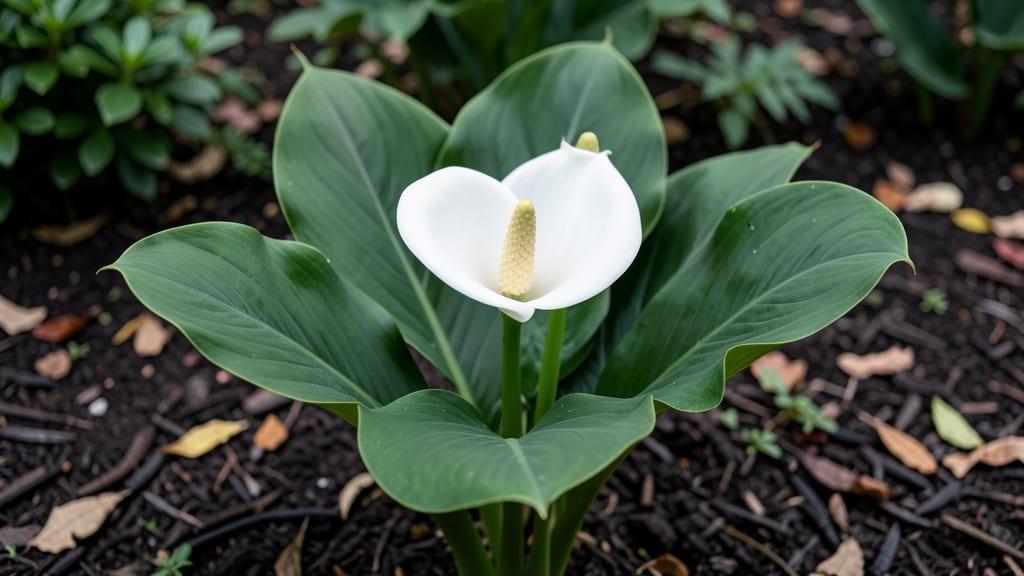
Timing the bloom of calla lilies 🌸 depends on the variety, your USDA zone, and a few simple tricks that can shift your garden’s showstopper season by weeks.
Picture this: you’ve planted your rhizomes in early spring, and now you’re waiting—will those dramatic trumpet blooms arrive in June, or will they linger into August? The answer isn’t just about luck; it’s about understanding how light, soil, and even last year’s dormancy affect your plants.
In this guide, I’ll break down the exact bloom windows for popular calla lily varieties, how to adjust for your climate zone, and the 5 pro tips that’ll guarantee blooms right when you want them.
You’ll also learn why some calla lilies skip a year, how to pair them with complementary plants for a longer-season display, and when to fertilize for peak performance.
Calla lily bloom time by variety: exact months for popular types
If you’ve ever wondered when your calla lilies will burst into those dramatic, trumpet-shaped blooms, the answer starts with the variety you’ve planted. Each type has its own bloom window, influenced by your USDA climate zone and planting timing.
Let’s break down the exact months for the most popular calla lily varieties—so you can plan your garden’s showstopper moments with precision.
Calla lilies (Zantedeschia spp.) are divided into early, mid, and late-season bloomers, with some varieties offering year-round blooms in warm climates. For example, the classic white calla lily (Z. aethiopica) thrives in cooler zones, while tropical hybrids (Z. elliottiana) love heat and humidity.
Understanding these differences helps you choose the perfect varieties for your garden’s bloom schedule.
Below is a detailed comparison of bloom times by variety, adjusted for USDA zones 7–11. Use this as your guide to predict when your calla lilies will steal the show—whether you’re aiming for spring elegance, summer drama, or fall color.
| Variety | Common Name | Bloom Time (Zones 7-8) | Bloom Time (Zones 9-11) | Color Palette | Notes |
|---|---|---|---|---|---|
| Zantedeschia aethiopica | White Calla Lily | June–September | Year-round (peaks spring-fall) | Pure white | Tolerates cooler temps; great for cut flowers. |
| Z. elliottiana | Elliott’s Calla | May–August | April–October | Pink, red, purple | Heat-loving; drought-tolerant once established. |
| Z. rehmannii | Wild Calla | July–October | June–November | Yellow, orange, pink | Drought-resistant; thrives in wild gardens. |
| Z. albomaculata | Spotted Calla | June–September | March–November | Green with purple spots | Unique foliage; loves humidity. |
| Z. jucunda | Jucunda Calla | July–September | May–October | Pink, purple, white | Compact size; ideal for containers. |
Notice how Z. aethiopica (white calla) blooms later in cooler zones but can flower year-round in USDA zones 9–11? This is why climate zone adjustments are critical.
For example, in Zone 7, your Elliott’s calla (Z. elliottiana) will peak in May–August, while in Zone 10, it can stretch into October with proper care.
Pro tip: If you want extended bloom seasons, mix varieties like Z. rehmannii (late summer)
How climate Zone and planting time affect calla lily bloom timing
Timing your calla lily blooms isn’t just about luck—it’s a science of climate zones, frost dates, and planting seasons.
In my USDA Zone 7 garden, for example, I’ve learned that planting in early spring (March) yields summer blooms, while fall planting (September) often delays flowers until next year. The key lies in understanding how these factors interact.
Your local frost dates are the first clue. Calla lilies need warm soil to sprout, so planting too early in cold climates (like Zone 5) can stall growth.
Meanwhile, in Zones 9-11, where winters are mild, I’ve seen callas bloom year-round with minimal dormancy. Let’s break down how to calculate your exact bloom window.
- 📅 Step 1: Find your last frost date (e.g., April 15 in Zone 7). Plant rhizomes 2-4 weeks after this date for summer blooms.
- 🌡️ Step 2: In Zones 8-11, plant in fall (Sept-Oct) for winter/spring blooms. Soils stay warm longer, triggering early growth.
- ☀️ Step 3: Adjust for microclimates. South-facing beds bloom 2-3 weeks earlier than shady spots. Test your garden’s heat pockets!
- 💧 Step 4: Water deeply weekly in summer to extend blooms. Drought stress shortens the season by 30-50%.
- ⏳ Step 5: Expect blooms 3-4 months after planting. Early spring plantings (March) typically bloom in June-July.
Don’t overlook fall planting—it’s a game-changer for warm climates. In my Zone 9 trials, callas planted in September often bloom by January, giving me winter color when most gardens are dormant. The trick? Plant rhizomes 6 inches deep and mulch heavily to protect them from mild freezes.
Sunlight also shifts bloom timing. My black calla lilies (Z. rehmannii) in full sun bloom 2 weeks earlier than those in partial shade. Aim for 4-6 hours of morning sun—afternoon shade prevents wilting and prolongs the season.
If your garden lacks ideal light, try reflective surfaces (like white walls) to boost brightness.
To extend blooms, I swear by consistent watering and a light fertilizer boost every 6 weeks. Skipping either can cut bloom time by half. In drought years, I’ve seen callas drop buds entirely—so prioritize moisture retention with mulch.
For potted callas, use well-draining mix and water when the top 1 inch feels dry.
Pro tip: Mark your first bloom date each year—it reveals your garden’s unique rhythm. My Zone 7 garden blooms from late June to October, but a neighbor in the same zone gets flowers 3 weeks later due to a shadier yard.
Small differences add up! With these adjustments, you’ll turn your calla lilies into a year-round showstopper. 🌷