
Blooming
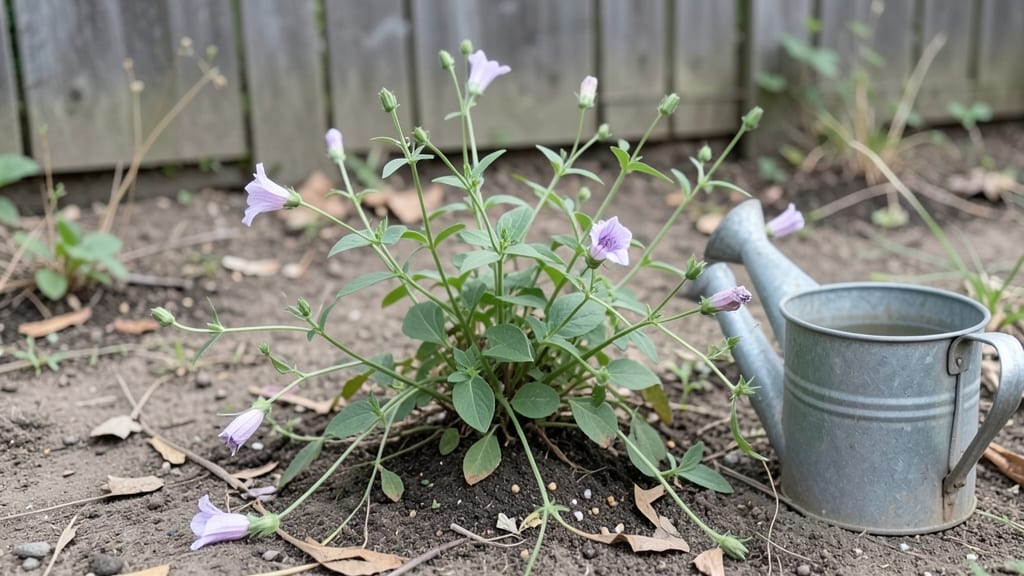
Your calibrachoa not blooming could be a simple fix—like moving it to brighter light or tweaking the fertilizer. I’ve rescued more than a few leggy, flowerless calibrachoa plants by addressing just one of these common issues, and the results are always a cascade of vibrant blooms within weeks.
The key is understanding what your plants actually need versus what you think they do.
Most calibrachoa fail to bloom because they’re either starved for light or overfed with nitrogen. These plants crave 6+ hours of direct sun daily—not just bright indirect light—and they’ll send out long, bare stems if they’re stretched toward a window.
Meanwhile, too much fertilizer (especially high-nitrogen types) makes them focus on leaves instead of flowers. The fix? A balanced 10-10-10 fertilizer applied lightly every 2-3 weeks, paired with pruning to encourage bushier growth.
Once you adjust these basics, you’ll see a dramatic turnaround—new buds within 2-3 weeks and continuous blooms that last all season. The secret is consistency: check sunlight exposure, trim leggy stems, and avoid heavy feeding.
Your calibrachoa will thank you with a nonstop floral display that outshines store-bought bouquets. Let’s get those blooms back!
This works for both trailing calibrachoa in hanging baskets and upright varieties in pots. The same principles apply whether you’re dealing with a single plant or a full container garden. Small adjustments lead to big rewards—trust the process!
Why it happens
If your Calibrachoa (often called "million bells") is putting out lush foliage but refusing to bloom, the issue likely stems from one—or several—key environmental or cultural mismatches.
Understanding these triggers is the first step to coaxing those vibrant flowers into action. Here’s why your plants might be playing hard to bloom:
🌱 Insufficient Light Exposure
Calibrachoa are sun-worshippers, requiring 6–8+ hours of direct sunlight daily to trigger flowering. When deprived of adequate light, they prioritize leaf growth over blooms—a survival tactic to maximize photosynthesis. Here’s the science:
- Photoperiodism in action: These plants rely on photoperiod (day length) cues. Short days (<12 hours of light) can signal them to stop blooming and focus on foliage. Conversely, long daylight hours (>14 hours) promote continuous flowering.
- Chlorophyll vs. florigen: Low light reduces florigen (a flowering hormone), while excess chlorophyll production diverts energy to leaves. Think of it as a metabolic trade-off: your plant is choosing "survival mode" over "flower mode."
- Signs of light deprivation: Leggy stems, sparse blooms, and dark green leaves are classic red flags. If your plant is stretching toward a window, it’s begging for more light!
💧 Overwatering or Poor Drainage
Water stress—whether from overwatering or soggy roots—disrupts nutrient uptake and hormonal balance, directly inhibiting blooms. Here’s how it plays out:
- Root oxygen starvation: Overwatered soil lacks oxygen, forcing roots to suffocate. This triggers ethylene production, a stress hormone that suppresses flowering and promotes vegetative growth.
- Nutrient lockout: Excess moisture leaches essential nutrients (like phosphorus and potassium) critical for flower development. Without these, your plant can’t produce the energy needed for buds.
- Fungal infections: Waterlogged conditions breed Phytophthora or Pythium, pathogens that weaken roots and divert energy away from blooms.
Pro tip: 🌡️ Let the top 1–2 inches of soil dry out between waterings. Use well-draining pots with drainage holes and a cactus/succulent mix to prevent soggy roots.
🍽️ Nutrient Imbalances: Too Much Nitrogen
Calibrachoa thrive on a balanced fertilizer ratio (e.g., 10-10-10 or 5-10-10), but too much nitrogen (the first number) sends them into a leafy frenzy. Here’s why:
- Nitrogen’s double-edged sword: While nitrogen fuels leaf growth, it delays flowering by promoting excessive vegetative growth. Think of it as a "fast-food diet" for plants—quick energy for leaves, but no time for flowers.
- Hormonal disruption: High nitrogen suppresses gibberellins (growth hormones that encourage blooms) while boosting cytokinins (which promote leaf expansion).
- Signs of over-fertilizing: Dark green, broad leaves with sparse or no flowers. If your plant looks like a "leafy monster," it’s time to dial back the nitrogen.
Fix it: Switch to a low-nitrogen, high-phosphorus fertilizer (e.g., 5-10-5) to encourage blooming. Or, flush the soil with water to leach excess nitrogen.
🌡️ Temperature or Humidity Stress
Calibrachoa are tender perennials that thrive in warmth (70–85°F) and moderate humidity (40–60%). Stray from this range, and blooming grinds to a halt:
- Cold shock: Temperatures below 50°F disrupt cellular metabolism, halting flower production. Chilly nights trigger abscisic acid, a stress hormone that signals buds to drop.
- Heat stress: Above 90°F, enzymes responsible for flower development (like those in the MADS-box gene family) become inactive, stalling blooms.
- Humidity extremes: Low humidity (<30%) causes buds to dry out and drop, while high humidity (>70%) fosters fungal diseases that weaken plants.
Actionable fix: 🏡 Move potted plants to a sheltered spot during heatwaves or cold snaps. Use a humidity tray or mist lightly in dry climates.
🌿 Overcrowded Roots or Old Growth
When roots are root-bound or the plant isn’t pruned, it diverts energy to survival (expanding roots or maintaining old stems) instead of reproduction (flowering). Here’s the breakdown:
- Root competition: Circling roots or a pot too small restrict nutrient and water uptake. The plant’s priority shifts to "escape" (growing more roots) over blooming.
- Aging stems: Calibrachoa stems woody over time, reducing their ability to produce new flowers. Older stems prioritize maintenance over new growth.
- Pruning triggers: Pinching back leggy stems encourages apical dominance to reset, prompting bushier growth and more flower sites.
Quick fix: 🔪 Repot in fresh soil if root-bound, and prune back 1/3 of the oldest stems to stimulate new, flowering growth.
Revive your calibrachoa’s bloom game
If your Calibrachoa (often called "million bells" for its tiny, vibrant flowers) has traded blooms for lush foliage, don’t despair! The fix is often simpler than you think. Below, we’ve mapped the most common causes to practical solutions—plus prevention tips to keep your plants flowering like a pro. 🌸✨
🌱 Fix 1: Insufficient Light = Lazy Blooms
Problem: Calibrachoas are sun-worshippers. Too little light = fewer flowers, more leaves. Solution:
Move your plants to a spot with 6–8 hours of direct sunlight daily. If outdoors, ensure they’re not shaded by taller plants or structures. For container growers, rotate pots weekly so all sides get even light.
💡 Pro Tip: If your space lacks sunlight, supplement with a grow light (12–14 hours/day) placed 6–12 inches above the plants.
Prevention:
- Choose a south- or west-facing location for outdoor plants.
- Avoid placing them near reflective surfaces (like glass or metal) that can scorch leaves.
💧 Fix 2: Overwatering or Poor Drainage = Stressed Roots
Problem: Soggy soil or compacted roots starve the plant of nutrients and oxygen, halting blooms. Solution:
Check soil moisture by sticking your finger 1–2 inches deep—water only when the topsoil feels dry. Ensure pots have drainage holes, and use a well-draining mix (like 60% potting soil + 30% perlite + 10% sand).
| Signs of Overwatering | Fix It Fast |
|---|---|
| Yellowing leaves | Let soil dry completely between waterings; trim yellow leaves. |
| Mushy stems | Repot in fresh, dry soil; avoid watering for 3–5 days. |
| White mold on soil | Remove affected soil, repot, and add fungicide if needed. |
Prevention:
- Use self-watering pots with moisture meters for consistency.
- Mulch with orchid bark to retain moisture without suffocating roots.
🌿 Fix 3: Too Much Nitrogen = Leafy, Not Bloomy
Problem: Fertilizers high in nitrogen (like lawn fertilizers) promote foliage over flowers. Solution:
Switch to a balanced or phosphorus-rich fertilizer (look for a label with numbers like 5-10-5 or 10-20-10). Feed every 2–4 weeks during the growing season (spring to fall), and reduce feeding in late summer to encourage blooming.
🌡️ Quick Fix: Flush the soil with water to leach excess nitrogen, then apply a bloom-boosting fertilizer (e.g., 7-9-5) the next day.
Prevention:
- Avoid compost-heavy soil—it’s nitrogen-rich. Amend with bone meal or rock phosphate for phosphorus.
- Prune overly leafy growth to redirect energy to flowers.
✂️ Fix 4: Lack of Pruning = Overcrowded Stems
Problem: Without pruning, old flowers and dense foliage block new blooms from forming. Solution:
Deadhead spent blooms daily (snip just above the next set of leaves). For leggy plants, prune back 1/3 of the stem to encourage bushier growth. Use clean, sharp scissors to avoid disease.
🎯 Expert Trick: Pinch off the topmost set of leaves on stems to trigger branching and more flower sites.
Prevention:
- Schedule a weekly 5-minute pruning session to stay ahead of overgrowth.
- Use bamboo stakes to support tall stems and improve air circulation.
🌡️ Fix 5: Temperature or Humidity Stress = Shocked Blooms
Problem: Calibrachoas thrive in 60–75°F temps. Extreme heat, cold drafts, or low humidity can stall flowering. Solution:
Move plants to a protected spot (e.g., under a patio awning) if temperatures exceed 85°F. In cold climates, bring containers indoors before frost. Use a humidifier or pebble tray if air feels dry.
| Stress Sign | Solution |
|---|---|
| Drooping leaves in heat | Water deeply in the morning; mist leaves lightly (avoid evenings). |
| Brown leaf edges in dry air | Group plants together to raise humidity; avoid drafts. |
| Slow growth in cold | Move to a sunny windowsill or under grow lights. |
Prevention:
- Acclimate plants gradually if moving between indoor/outdoor spaces (e.g., 1 hour/day for a week).
- Use lightweight row covers for early spring/late fall protection.
Most calibrachoas bounce back quickly once their basic needs are met. Start with one fix at a time (e.g., light + pruning), then monitor for 2–3 weeks before adjusting further. With a little TLC, your "million bells" will be ringing with color in no time! 🎶🌺
Frequently asked questions
Why is my calibrachoa growing leaves but no flowers?
Your plant is likely getting too much nitrogen or not enough sunlight. Calibrachoa need 6-8 hours of direct sun daily to trigger blooming, and excess nitrogen from fertilizers promotes leafy growth instead. Switch to a balanced 10-10-10 fertilizer and move it to a brighter spot for faster results.
How can I encourage my calibrachoa to bloom faster?
Start by deadheading spent blooms regularly—this redirects energy to new flowers. Prune back leggy stems by 1/3 to encourage bushier growth, and ensure your plant gets warmth (70-85°F) without drafts. These tweaks often produce new buds within 2-3 weeks.
Is overwatering really stopping my calibrachoa from blooming?
Overwatering suffocates roots by cutting off oxygen, triggering stress hormones that suppress flowering. Let the top 1-2 inches of soil dry between waterings, and use pots with drainage holes. A well-draining mix (like cactus soil) helps too.
What’s the best fertilizer for calibrachoa blooms?
Look for a low-nitrogen, high-phosphorus fertilizer like 5-10-5 or 7-9-5. Phosphorus (the middle number) directly supports flower production. Feed every 2-4 weeks during spring/fall, and avoid fertilizing in late summer to prevent stress.
Can I save a calibrachoa that’s completely flowerless?
Yes! Start with light and pruning—move it to full sun and trim back 1/3 of the oldest stems. If roots are root-bound, repot in fresh soil. Within 3-4 weeks, you should see new buds if you address the basics. Patience pays off!