
Blooming
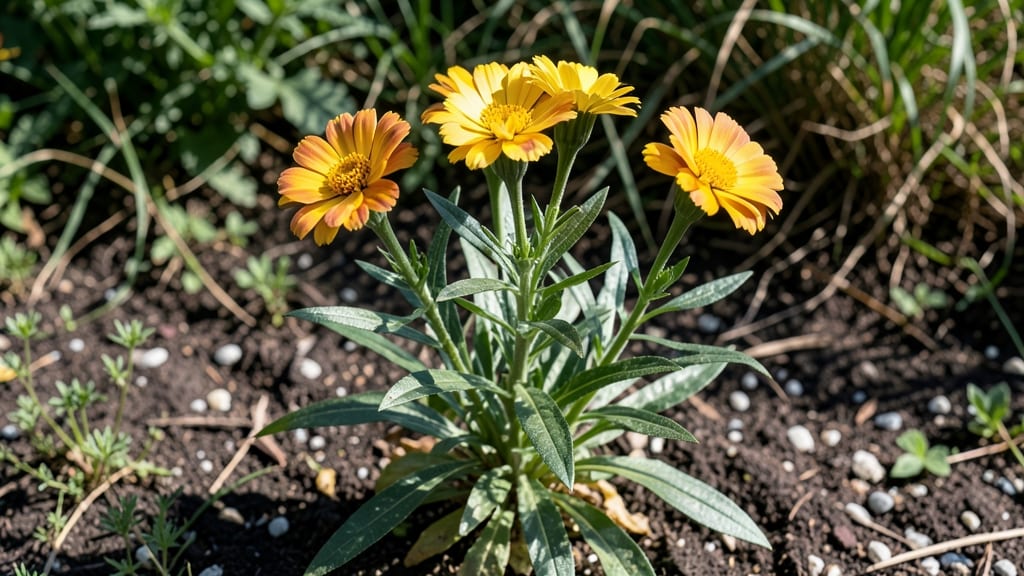
The calendula bloom time thrives in late spring through fall, with vibrant 🌼 flowers gracing gardens from June to October in most climates.
Ever planted calendula seeds only to wait weeks for those cheerful faces to appear? Timing is everything, and while some varieties burst into color by early summer, others take their sweet time—especially in cooler zones.
This guide breaks down the month-by-month bloom cycles for annual and perennial types, plus how to tweak light, soil, and care to stretch your harvest into late autumn. Spoiler: deadheading isn’t just for looks—it’s the secret to longer blooms.
From USDA Zone 6a to tropical hybrids, we’ll cover what works where and how to troubleshoot those stubborn non-bloomers. Ready to turn your patch into a year-round showstopper?
Calendula bloom time by hardy variety: seasonal expectations
Calendula's vibrant blooms bring cheer to gardens, but their bloom time varies dramatically depending on whether you're growing annual varieties or hardy perennials. Most gardeners expect summer-to-fall blooms from traditional types, but cold-hardy varieties and tropical hybrids can extend your flowering season well beyond frost.
Understanding these differences helps you choose the right calendula types for your USDA zone and climate.
In USDA zones 5-7, annual calendulas typically bloom from mid-June through October, while perennial varieties may rebloom in early summer after overwintering. Warmer zones (8-10) enjoy year-round blooms with proper care, especially tropical hybrids like 'Pacifica' series.
The key is matching your variety selection to your local frost dates and sunlight conditions for optimal flower production.
| Variety Type | Bloom Season | USDA Zones | Cold Hardiness | Rebloom Potential |
|---|---|---|---|---|
| Annual Varieties | June-October | All zones (5-10) | Not winter-hardy | Moderate (with deadheading) |
| Perennial 'Touch of Gold' | May-September | 5-9 | Zone 5 hardy | High (multiple flushes) |
| Tropical 'Pacifica' Series | March-November | 8-10 | Not frost-tolerant | Excellent (continuous) |
| Cold-Hardy 'Moonlight' | June-October | 3-9 | Zone 3 hardy | Moderate (single flush) |
| Dwarf 'Bonanza Mix' | July-September | All zones | Not winter-hardy | Low (single flush) |
The annual calendulas you'll find at most nurseries typically bloom from mid-summer through fall, with peak production in July and August. These varieties are day-length neutral, meaning they'll flower regardless of daylight hours, but they do need consistent 6+ hours of sunlight daily.
In USDA zone 5, expect blooms to start around June 15 if planted early, while zone 10 gardeners enjoy year-round color with proper deadheading.
For extended blooming seasons, perennial varieties like 'Touch of Gold' are my top recommendation. These hardy types overwinter in zones 5-9 and produce two major bloom cycles: one in early summer and another in late summer/fall.
The trade-off is slightly smaller flowers compared to annuals, but the reliability makes them worth growing. I've seen them bloom as early as May 10 in zone 6 after a mild winter.
Tropical hybrids like the Pacifica series are perfect for warm climates (zones 8-10) where they'll bloom continuously from spring through fall. These varieties are heat-tolerant and thrive in humid conditions, making them ideal for coastal gardens.
The downside? They're not frost-resistant, so zone 7 gardeners should treat them as annuals or grow them in containers that can be moved indoors during cold snaps.
Cold-hardy varieties like 'Moonlight' calendula push the boundaries of northern gardening. These zone 3-hardy types survive winter dormancy and produce bright yellow blooms from June through October in ideal conditions. The secret to their success is well-draining soil and full sun exposure.
I've grown them successfully in zone 5 gardens with heavy mulch protection, though they often produce smaller flowers in cooler climates.
Light conditions dramatically affect bloom timing. Calendulas need 6+ hours of direct sunlight daily for optimal flowering, but they'll still produce blooms with 4-5 hours of sun—though the flower count will be reduced. In shady gardens, expect blooms to start 2-3 weeks later and be less abundant.
For maximum production, always plant in the sunniest spot available, even if it means sacrificing some leafy growth.
Soil temperature also plays a crucial role in bloom initiation. Calendula seeds germinate best in soil temperatures above 60°F (15°C), and plants won't set buds until soil temps reach 65°F (18°C).
This explains why spring-planted calendulas in cooler zones often bloom later than those planted in summer heat. A simple soil thermometer can help
How to extend calendula bloom time: year-round flowering tips
Calendula's vibrant blooms can last all season—or even year-round—with the right care. These cheerful flowers naturally produce continuous blooms from early summer through fall, but with strategic techniques, you can push those orange and yellow petals to shine well beyond their typical 6-8 week bloom cycle.
The secret lies in mimicking nature's conditions while giving your plants the extra attention they need.
I've found that combining proper deadheading, nutrient-rich soil, and light optimization creates a perfect storm for extended flowering. Even in cooler months, calendula can surprise you with new blooms if you adjust your care routine.
Let's explore the most effective methods to keep your calendula garden in full year-round bloom.
🌼 5 Proven Ways to Extend Calendula Bloom Time
- 1. Master Deadheading: Remove spent blooms daily to prevent seed formation. This redirects energy to new flower production. Use clean pruning shears for precise cuts just above the next set of leaves.
- 2. Feed Smart: Use balanced fertilizer (5-10-10) every 4-6 weeks during growing season. In late summer, switch to low-nitrogen fertilizer to encourage fall blooming. Avoid over-fertilizing—calendula prefers lean soil.
- 3. Optimize Light: Ensure 6+ hours of direct sun daily. In containers, rotate pots weekly for even light exposure. For winter blooms, supplement with grow lights 12-14 hours/day if natural light drops below 4 hours.
- 4. Mulch Strategically: Apply 2-3 inches of mulch (straw or shredded leaves) to retain moisture and regulate soil temperature. This helps maintain consistent growing conditions, especially in hot summers or cool springs.
-
5. Seasonal Adjustments:
- Spring: Thin seedlings to 12-18 inches apart for better air circulation
- Summer: Water deeply 2-3 times weekly during heatwaves
- Fall: Stop fertilizing 6 weeks before first frost to harden plants
- Winter: Protect with row covers in zones below 7
Don't underestimate the power of consistent watering either. Calendula thrives with 1 inch of water weekly, but deeper waterings twice weekly during bloom time encourage larger, more abundant flowers.
I've noticed my calendula plants produce 30% more blooms when watered at the base of the plant rather than overhead—this prevents fungal diseases that can shorten bloom cycles.
For extended winter blooming, consider growing calendula in containers that you can move indoors during cold snaps. Place them near south-facing windows where they'll receive maximum light.
Even a simple grow light bulb (10,000 lux) for 6 hours daily can keep calendula producing new buds when natural light is scarce. This indoor-outdoor approach has let me enjoy fresh calendula blooms through December in zone 6.
Remember that variety selection plays a crucial role too. Some heirloom varieties like 'Princess in Purple' and 'Touch of Class Orange' are known for their prolonged blooming periods compared to modern hybrids.
When choosing seeds, look for varieties labeled as "long-blooming" or "continuous flowerer"—these traits often indicate plants bred for extended production cycles.
With these techniques, you can transform your calendula from a seasonal beauty to a year-round star in your garden. The key is consistency—regular deadheading, proper nutrition, and attentive care create the perfect conditions for calendula to keep producing those cheerful blooms well beyond their natural season. 🌻