
Vegetables
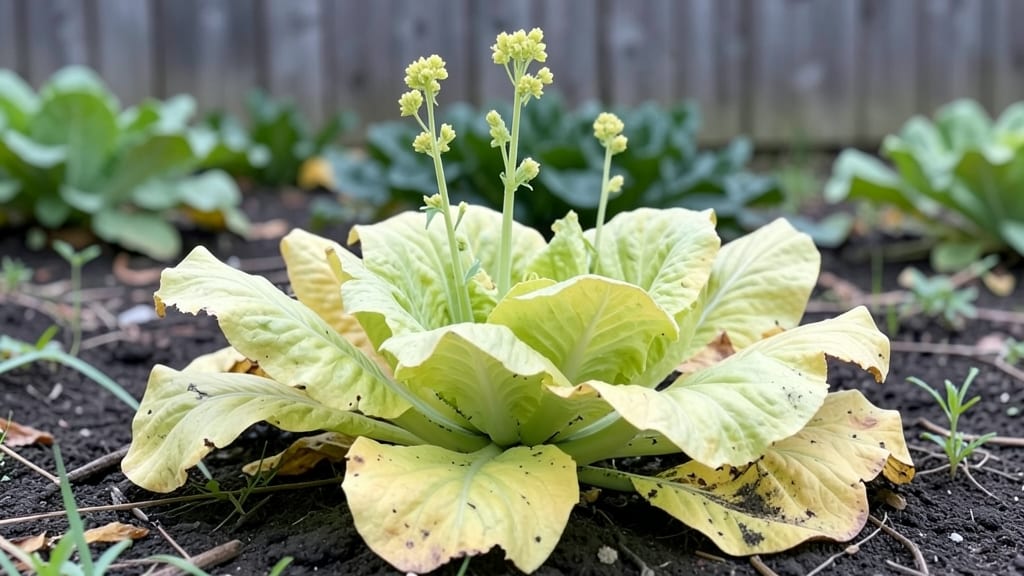
Butter lettuce flowering too soon ruins all that tender, crisp growth you planted for. I’ve watched my carefully nurtured heads go from perfect salad greens to bitter stems in just a few weeks—and there’s a simple reason why, plus an easy fix.
The moment those flower stalks appear, you’ve lost the delicate leaves you were waiting for, but you can still salvage the situation.
Heat and long daylight hours trigger this process, but the real culprit is often how close you’re planting. Crowded lettuce feels stressed and bolts faster than it would in open space.
I’ve found that spacing plants 12 inches apart gives them room to breathe, while choosing heat-tolerant varieties like ‘Jericho’ or ‘Black Seeded Simpson’ buys you extra time before flowering starts. Even a simple shade cloth on hot afternoons can delay bolting by 2-3 weeks—enough to get another harvest.
The good news? Once you spot those flower stalks, you’re not completely out of luck. If you’re growing lettuce for seeds, let it bolt and go to flower—those stems will produce seed heads you can collect.
But for fresh greens, the trick is to harvest the outer leaves aggressively while the center stays tender. This keeps the plant focused on leaf production instead of flowering, giving you another 2-4 weeks of usable greens before it’s time to replant.
This works whether you’re growing in garden beds, containers, or even a windowsill setup. The key is acting fast once you notice the first signs—those tight little flower buds hiding in the center of the leaves. With the right variety and spacing, you’ll avoid the bitter disappointment of bolting altogether.
Unwanted Blooms Triggered
When your butter lettuce starts flowering, it’s often a sign that the plant is shifting its energy from leaf production to reproduction—a natural but frustrating process for gardeners. Understanding the root causes helps you prevent or reverse this shift before your tender greens turn bitter and bolt.
Here’s why it happens, broken down by the most common culprits:
🌡️ Heat Stress and Long Days
Butter lettuce is a cool-season crop, and when temperatures rise above 75°F (24°C) or daylight stretches beyond 14 hours, the plant detects these conditions as a signal to flower. This is tied to a biological response called thermophotoperiodism, where heat and light duration trigger hormonal changes.
Specifically, the plant’s florigen protein activates, prompting the transition from vegetative to reproductive growth.
Actionable fix: Use shade cloth (30-50%) to block intense sunlight and extend the growing season into warmer months. Mulch with straw or grass clippings to keep soil temperatures stable and roots cool.
🌱 Age and Maturity Pressures
Butter lettuce is a biennial plant, meaning it’s programmed to flower in its second year—but even young plants can bolt prematurely if they sense they’re nearing the end of their life cycle. As leaves age, cells produce ethylene gas, a plant hormone that accelerates flowering.
Additionally, if the plant perceives stress (like root-bound conditions or nutrient deficiencies), it may rush to reproduce before dying.
Actionable fix: Harvest outer leaves regularly to encourage continuous growth and delay maturity. Replace older plants with fresh seedlings every 4-6 weeks to maintain a steady supply of young, non-flowering greens.
🌱 Nutrient Imbalances: Too Much or Too Little
Flowering can be triggered—or accelerated—by specific nutrient deficiencies or excesses. For example:
- Nitrogen deficiency: Without enough nitrogen (a key component of chlorophyll and leaf growth), the plant prioritizes reproductive structures over leaves. Yellowing leaves (chlorosis) often appear first.
- Phosphorus overload: Excess phosphorus (common in bone meal or compost tea) can signal the plant to shift energy toward flowering, even if other conditions are ideal.
- Potassium or magnesium shortages: These nutrients are critical for stress resistance. Without them, the plant may bolt as a survival tactic.
Actionable fix: Test your soil and amend with a balanced 10-10-10 fertilizer (or organic alternatives like composted manure or fish emulsion). Avoid high-phosphorus fertilizers unless addressing a confirmed deficiency.
💧 Watering Woes: Drought or Overhead Stress
Inconsistent watering sends mixed signals to lettuce. Drought stress (even temporary wilting) can trigger flowering as the plant conserves resources, while overhead watering (especially in hot weather) can cause leaf scorch, which the plant interprets as damage.
Additionally, uneven moisture levels disrupt root growth, leading to hormonal imbalances that promote bolting.
Actionable fix:
- Water deeply 1-2 inches per week, using drip irrigation or soaker hoses to keep roots consistently moist.
- Avoid wetting foliage to prevent fungal diseases (like downy mildew) that weaken the plant.
- Mulch with straw to retain soil moisture and reduce temperature fluctuations.
🌿 Genetic Predisposition and Variety Choice
Not all butter lettuce is created equal. Some varieties are bred for bolting resistance, while others (like loose-leaf types) are more prone to flowering under stress.
Even heat-tolerant hybrids may bolt if pushed beyond their limits. If you’ve noticed your lettuce flowering repeatedly despite ideal conditions, the variety itself might be the issue.
Actionable fix: Choose slow-bolting varieties like ‘Jericho,’ ‘Black Seeded Simpson,’ or ‘Winter Density’ for extended harvests. For container growing, opt for cut-and-come-again types (e.g., ‘Salad Bowl’), which handle stress better.
Revive Your Lettuce: Fixing Premature Flowering
When your butter lettuce starts flowering before you’re ready to harvest, it’s a sign your plants are under stress—or simply following their natural instincts. The good news? Most causes have simple fixes, and with a few adjustments, you can coax your lettuce back to its crisp, leafy best.
Below, we’ll tackle the most common reasons for flowering and provide actionable steps to stop it in its tracks.
🌱 Too Much Heat? Cool It Down
Butter lettuce bolts (or flowers) when temperatures rise, especially if nights stay warm. If your plants are turning bitter and sending up stalks, they’re likely overheating.
How to Fix It:
- 🌡️ Move to Shade: Relocate pots or seedlings to a spot with partial shade, especially during peak afternoon sun. A simple shade cloth (30-50% coverage) can work wonders.
- 💦 Increase Watering: Keep soil consistently moist—dry spells trigger stress and speed up bolting. Aim for 1-1.5 inches of water per week.
- ❄️ Extend the Growing Season: If you’re growing in late spring or summer, consider using row covers or cold frames to shield plants from heat spikes.
💡 Prevention Tip:
Start seeds indoors 4-6 weeks before your last frost date for spring crops, or opt for heat-tolerant varieties like ‘Black Seeded Simpson’ or ‘Jericho.’
🌿 Daylight Overload? Adjust Light Exposure
Long daylight hours (14+ hours of light) trick lettuce into flowering mode. If your plants are stretching and flowering too soon, they might be getting too much sun.
How to Fix It:
- 🕒 Limit Light Hours: Use blackout curtains or move containers indoors during the longest days of the year. Aim for 12 hours of light max.
- 🌿 Prune Aggressively: Snip off flower stalks at the base to redirect energy back to leaf growth. Repeat as needed.
- 🌱 Succession Plant: For continuous harvests, sow new seeds every 2-3 weeks in partial shade or under dappled tree cover.
💡 Prevention Tip:
Grow lettuce in early spring or late summer/fall when days are shorter. If indoor growing, use grow lights on a timer for controlled light exposure.
🌱 Crowded Roots? Thin or Repot
Overcrowded lettuce plants compete for nutrients and space, leading to stress and premature flowering. If your greens are bolting en masse, they might be root-bound.
How to Fix It:
- 🔪 Thin the Plants: Space lettuce 6-12 inches apart (check seed packet guidelines). Snip or pull excess plants at the base.
- 🏡 Repot or Transplant: If growing in containers, move plants to larger pots with fresh, well-draining soil. Add a handful of compost to boost nutrients.
- 🌱 Fertilize Lightly: Use a balanced, water-soluble fertilizer (like 10-10-10) diluted to half strength. Avoid high-nitrogen fertilizers late in the season—they can promote leafy growth but delay bolting.
💡 Prevention Tip:
Sow seeds in modular trays or small pots to avoid overcrowding from the start. Transplant seedlings when they’re 2-3 inches tall.
🚨 Nutrient Deficiency? Feed Smartly
Lettuce needs consistent nutrients to stay leafy. If your plants are flowering early, they might be starving for key minerals like nitrogen or calcium.
How to Fix It:
- 🍽️ Boost Nitrogen: Side-dress with compost or use a fish emulsion (diluted per label) to encourage leafy growth. Avoid over-fertilizing—too much can cause bitter leaves.
- 🥚 Add Epsom Salt: A teaspoon of Epsom salt (magnesium sulfate) per gallon of water can prevent bolting caused by magnesium deficiency. Apply as a foliar spray or soil drench.
- 🌱 Test Your Soil: Use a simple soil test kit to check pH and nutrient levels. Aim for a slightly acidic to neutral pH (6.0-7.0).
💡 Prevention Tip:
Mulch around plants with straw or grass clippings to retain moisture and slowly release nutrients. Avoid fresh manure—it can burn tender lettuce roots.
🌿 Stress from Transplant Shock? Give It Time
Newly transplanted lettuce may bolt if it’s struggling to adapt. Look for wilting, yellowing leaves, or slow growth—signs your plants need TLC.
How to Fix It:
- 💧 Water Deeply: After transplanting, water thoroughly to help roots establish. Keep soil moist (not soggy) for the first 2 weeks.
- 🛡️ Shield from Wind: Use a temporary windbreak (like a small fence or cardboard) if your garden is exposed.
- 🌱 Wait Before Harvesting: Avoid picking leaves for 1-2 weeks to let the plant recover. Focus on keeping it hydrated and shaded.
💡 Prevention Tip:
Transplant lettuce on a cool, overcast day to reduce stress. Harden off seedlings gradually by exposing them to outdoor conditions for 1-2 hours daily before planting.
With these fixes, your butter lettuce should bounce back from flowering and resume growing lush, tender leaves. Remember, prevention is key—adjust your growing conditions early to avoid bolting altogether. Happy gardening! 🌿
Frequently asked questions
Why does my butter lettuce flower when it’s still young?
Butter lettuce flowers prematurely due to stress signals like heat stress (above 75°F) or long daylight hours (over 14 hours). It’s a natural response—your plant thinks it’s time to reproduce! Even overcrowding or nutrient imbalances can trigger this. Choose heat-tolerant varieties like ‘Jericho’ or adjust growing conditions to delay flowering.
Can I still eat lettuce that’s starting to flower?
Yes—but only the outer leaves! Flowering means the center turns bitter, but the outer leaves stay edible. Harvest them aggressively to keep the plant focused on leaf growth. If you want to save the plant, snip the flower stalks at the base to redirect energy back to the leaves.
How can I prevent butter lettuce from flowering in summer?
Use shade cloth (30-50% coverage) to block intense sunlight and keep soil cool. Water deeply 1-2 inches per week and mulch with straw to retain moisture. Opt for slow-bolting varieties like ‘Black Seeded Simpson’ and avoid overcrowding—space plants 12 inches apart for better airflow.
Is it possible to save a lettuce plant that’s already flowering?
If you’re growing for seeds, let it bolt—those flower stalks will produce seed heads! For fresh greens, prune the flower stalks and focus on harvesting outer leaves. This can extend your harvest by 2-4 weeks before replanting. Just avoid fertilizing heavily, as it may worsen bolting.
What’s the best way to water butter lettuce to avoid flowering?
Water deeply and consistently—1 inch per week—to prevent drought stress. Use drip irrigation or soaker hoses to keep roots moist without wetting the leaves. Mulch with straw to retain soil moisture and reduce temperature swings, which can trigger premature flowering.