
Blooming
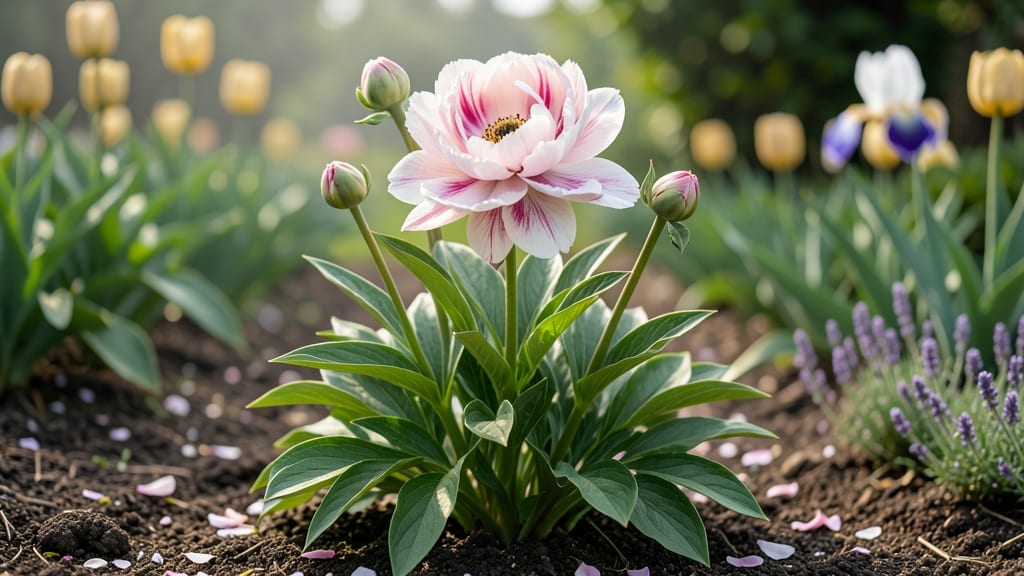
Peonies bloom when the world feels like it’s finally waking up—those lush, fragrant clusters arriving just in time for late spring picnics. 🌸 The timing depends on your heat zone, but most varieties burst into color between late May and early June, giving you a 3-4 week window of showstopping beauty.
I’ve learned that early bloomers like 'Sarah Bernhardt' open in Zone 5 by Memorial Day, while late varieties in Zone 8 might wait until July. The secret to extending their bloom time lies in planting depth and sunlight balance.
Too shallow, and they’ll flop; too deep, and they’ll take years to flower. I’ve found that planting crowns just below soil level—about 2 inches deep—gives them the stability they need while keeping roots cool.
Mulch with 3-4 inches of organic material to regulate temperature and retain moisture, which keeps blooms coming longer. What you’ll end up with is a garden that feels like a masterpiece, not just a collection of plants. The fragrance alone—sweet, honeyed, and intoxicating—makes every late spring worth the wait.
Plan your layout around their peak bloom time by pairing them with late spring bulbs like alliums or early summer perennials like catmint for a seamless transition.
Don’t let the heat fool you—peonies need 6-8 hours of sunlight daily, but afternoon shade in hot climates prevents buds from wilting before they open. Adjust watering too: deep soaks once a week (not daily drips) encourage stronger stems and bigger blooms.
With these tweaks, you’ll stretch their season from 2 weeks to nearly a month of effortless elegance.
📚 In This Guide
- What you need
- Instructions
- Tips and common mistakes
- Wrapping up and next steps
What you need
- ● Peony plants: Choose Paeonia lactiflora (herbaceous) or Paeonia suffruticosa (tree peonies) based on your climate zone. Quantity: 1-3 plants per 4-6 sq. ft. of garden space.
- ● Well-draining soil: Aim for a mix of 60% topsoil, 30% compost, and 10% coarse sand or perlite to prevent root rot.
- ● Organic mulch: 2-3 inches of wood chips, straw, or shredded bark to retain moisture and regulate soil temperature.
- ● Slow-release fertilizer: 10-10-10 NPK ratio (e.g., 1 lb per 100 sq. ft.) applied in early spring before new growth emerges.
- ● Pruning shears: Sharp, bypass-style shears (sterilized with rubbing alcohol) for deadheading and shaping.
- ● Watering can or hose with a gentle spray nozzle: Peonies need 1-1.5 inches of water per week (deep watering 2-3 times weekly).
- ○ Stakes or cages (optional but helpful): For varieties prone to flopping (e.g., Sarah Bernhardt), use 3-4 ft. tall stakes or decorative cages.
- ● Zones 3-5: Plant in early fall (6-8 weeks before first frost) for root establishment.
- ● Zones 6-8: Plant in late fall or early spring (avoid summer heat stress).
- ● Epsom salt: 1 tbsp per plant in early spring to boost magnesium (prevents yellowing leaves).
- ● Peony food (e.g., Miracle-Gro Peony Food): Apply in late winter for extra nutrients.
- ● Soil pH test kit: Ideal range is 6.5-7.0; amend with lime (to raise pH) or sulfur (to lower) if needed.
- ● Drip irrigation system: Automates watering and ensures consistent moisture.
- ● Heat-resistant mulch (e.g., black plastic or landscape fabric): For Zones 7-8 to protect roots in summer.
How to time peony blooms for perfect seasonal display
Peonies reward patience with lush, fragrant blooms—but timing is everything. Here’s how to align their cycle with your climate for flawless results.
🌱 Step 1: Identify Your USDA Heat Zone
Peonies bloom based on winter chill hours, not just spring warmth. Check your USDA Heat Zone (3-10)—this determines when buds form underground. Zones 3-5 (cold winters) need 300-500 chill hours below 45°F for strong blooms, while Zones 6-8 (milder winters) thrive with 200-300 chill hours. If you’re unsure, track your local frost dates: peonies need 6-8 weeks of cold before buds swell.
Here’s the key: In Zone 4, blooms peak in late May to early June. In Zone 7, they stretch from mid-April to May. Zone 9 peonies (like Paeonia lactiflora) may bloom twice—once in winter after rains, then again in spring. Use a free online heat-zone map to pinpoint your exact timing.
☀️ Step 2: Plant for Peak Sun Exposure
Peonies need 6-8 hours of direct sun daily to fuel their blooms, but timing matters. Plant bare-root peonies in early fall (4-6 weeks before first frost) so roots establish before winter. In warmer Zones 8-9, plant in late fall or winter to avoid summer heat stress. Dig a hole 2 feet wide and deep—this prevents crowns from sinking too low, which causes rot.
I always mound soil around the crown (the swollen base where roots meet stems) so it sits 1-2 inches below soil level. Too deep? Buds rot. Too shallow? Stems flop. After planting, water deeply to settle soil—you’ll see the crown clearly outlined when moist. Mulch with 3 inches of organic matter (like shredded bark) to insulate roots through winter.
⏰ Step 3: Monitor Bud Development in Late Winter
Bud formation starts in January-February, but you won’t see them until March-April when temps rise above 40°F. Look for swollen buds at the base of last year’s stems—these are your bloom predictors. In cold Zones 3-5, buds may not swell until April, while Zone 7 peonies show buds by February. Protect them from late frosts: cover with frost cloth if temps dip below 28°F.
Here’s the thing—if buds swell but then shrivel, your plant isn’t getting enough winter chill. In Zones 9-10, consider intermittent chilling: Move potted peonies to a 35-45°F garage or shed for 6-8 weeks in winter to mimic cold exposure. You’ll know it’s working when buds firm up like green marbles.
💧 Step 4: Water and Fertilize for Bloom Support
Once buds appear, water deeply once a week—peony roots need moisture to 12 inches deep. I test by sticking a finger in: if soil feels dry past 3 inches, it’s time to water. Overhead watering can crack buds, so use a soaker hose at the base. Fertilize in early spring (March-April) with 10-10-10 granular fertilizer—scatter ½ cup per plant and water in.
Watch for leggy stems or sparse buds? You’re likely over-fertilizing with nitrogen. Peonies need balanced nutrients, not just green leaves. If blooms are small, reduce water slightly—too much moisture dilutes root energy. You’ll see perfect blooms when stems are thick as your thumb and leaves are deep green.
✂️ Step 5: Deadhead and Prune for Next Year’s Blooms
After blooms fade, cut stems 1 inch above the first set of leaves (never the green foliage). This redirects energy to next year’s buds. In Zones 3-5, leaves often die back by October, but in Zones 6-9, leave them until late fall or winter—they photosynthesize even when dormant. Mulch again in November to protect roots from freeze-thaw cycles.
Real talk: Peonies take 2-3 years to reach full bloom after planting. Don’t rush pruning—wait until after the first frost in cold zones to trim back dead stems. You’ll know you’re doing it right when your peony patch fills with football-sized blooms year after year, with minimal effort.
Tips & tricks for perfect peony bloom timing
Timing peony blooms isn't just about patience—it's about understanding your climate's unique rhythm. Here's what I've learned to ensure those showstopping flowers appear exactly when you want them.
Heat Zone Precision: Don't just guess your USDA zone—use the USDA Plant Hardiness Zone Map for exact placement. I've seen gardeners in Zone 5 think they're in Zone 6, which can throw off bloom timing by weeks. The chill hour requirement is your best predictor: if you're on the border between zones, lean toward the colder zone for reliable blooms. For example, if you're right on the Zone 5/6 line, treat it as Zone 5 to ensure adequate chill hours.
Planting Depth Matters: That 1-2 inches below soil level for the crown isn't a suggestion—it's critical. I once planted mine too shallow in Zone 7, and the stems flopped like overcooked noodles. Use a ruler to measure depth after planting. For extra insurance, mark the crown with a small stake before backfilling soil. And here's a trick: press your finger into the soil around the crown after watering—if it springs back slowly, you've got the right depth.
Winter Chill Workarounds: In Zones 9-10 where natural chill is insufficient, I've had success with intermittent chilling using a garage or shed. Set up a small fan to circulate air and monitor temps with a thermometer. The goal is 35-45°F consistently for those 6-8 weeks. Pro tip: Place potted peonies near an uninsulated exterior wall—the temperature fluctuations can actually help simulate natural chill cycles.
Bud Development Cues: Those swollen buds in late winter are your advance warning system. In Zone 4, I look for buds by March 15th—if they're not showing by then, I know we're in for a late spring. For early detection, examine the base of last year's stems on a cloudy day when buds are less likely to be hidden in shadows. And remember: buds that swell but then shrivel? That's your plant crying out for more winter chill.
Pro Tips for Bloom Time For Peonies
- Timing peony blooms isn't just about patience—it's about understanding your climate's unique rhythm.
- Heat Zone Precision: Don't just guess your USDA zone—use the USDA Plant Hardiness Zone Map for exact placement.
- Planting Depth Matters: That 1-2 inches below soil level for the crown isn't a suggestion—it's critical.
Frequently asked questions
When is the best time to plant peonies for optimal blooming?
Plant peonies in early fall (4–6 weeks before the ground freezes) or early spring (as soon as the soil is workable). Fall planting gives roots time to establish before winter, while spring planting works in warmer climates. Avoid planting in late summer or early fall—this can delay blooming for 1–2 years!
Why aren’t my peonies blooming this year?
Peonies often take 2–3 years to mature and bloom after planting. Common culprits for missed blooms include over-fertilizing (especially nitrogen), planting too deep (eyes should be 1–2 inches below soil), or poor sunlight (they need 6+ hours daily). If established plants skip blooms, check for bud blast (a fungal issue) or prune spent blooms to encourage next year’s flowers.
Do peonies bloom earlier in warmer climates?
Yes! Peonies are heat-zone sensitive. In USDA Zones 3–5, they typically bloom in late spring to early summer (May–June). Warmer zones (6–8) may see blooms as early as March–April or as late as June–July. Check your local USDA heat-zone map for precise timing—some varieties (like Sarah Bernhardt) are earlier bloomers!
Can I extend peony bloom time with care?
While you can’t permanently extend their season, you can maximize bloom duration! Deadhead spent blooms (but leave foliage until it yellows), mulch to regulate soil temp, and water deeply 1–2 times weekly during droughts. For cut flowers, harvest buds when they’re half-open—this prolongs vase life by 5–7 days. Avoid heavy pruning; it can reduce next year’s flowers!
What’s a good alternative if my peonies bloom too late for my garden?
If you love early spring color, try daffodils, tulips, or magnolias (which bloom 2–4 weeks before peonies). For summer-long interest, pair peonies with daylilies, black-eyed Susans, or roses, which bloom later. Herbaceous peonies (like Bowl of Beauty) often bloom earlier than tree peonies, so variety selection matters!
Wrapping up and next steps
Peonies are nature’s stunning reward for gardeners who plan ahead—knowing your USDA heat zone and local climate is the key to unlocking their perfect bloom time! 🌸 Whether you’re in the chilly North or balmy South, timing is everything: plant in early fall, protect young roots in harsh winters, and embrace patience for those 5-7 years of growth before their showstopping display.
Now that you’re armed with heat-zone insights, it’s time to roll up your sleeves—grab those bare-root peonies, dig in, and start your own legacy of fragrant blooms!
🌱 Your Next Step:
- Mark your calendar for fall planting (or spring, if you’re in Zone 8+).
- Join local gardening groups to swap tips on peony care in your area.
- Snap photos of your progress—share the journey (and blooms!) on social media with #PeonySeason!