
Shrubs
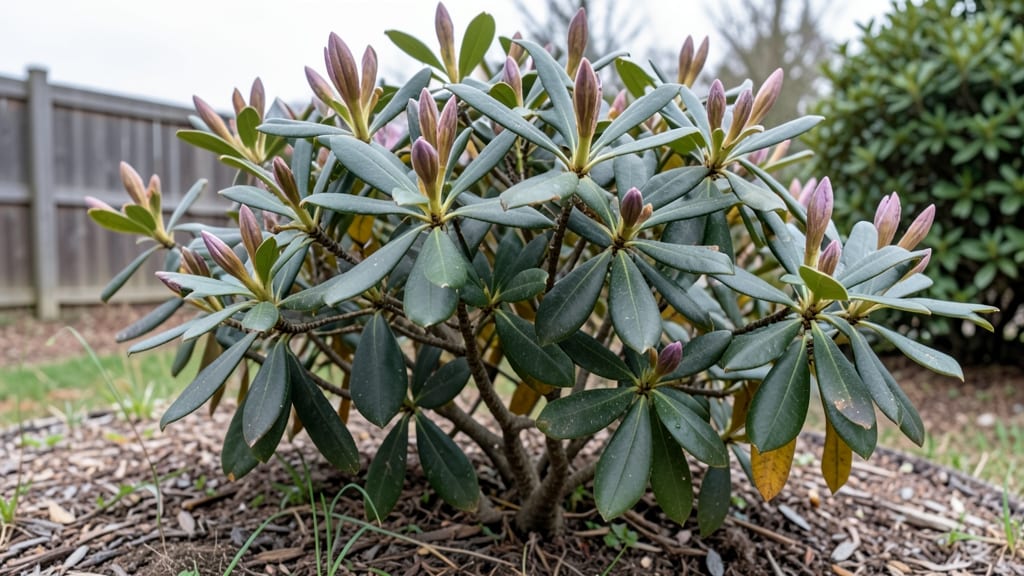
Before azalea bloom season arrives, the real magic happens in the late winter and early spring prep 🌸 — and it’s not what you think.
Struggling to get your azaleas to burst with vibrant blooms year after year? The key isn’t just after they flower—it’s what you do before bloom season begins. Pruning at the right time transforms your azaleas from modest shrubs into showstopping floral displays.
In USDA Zone 6a, the window is tight: late February to early March, when buds swell but flowers haven’t opened yet. This is when you shape the plant, remove dead wood, and encourage next year’s blooms by focusing on healthy growth, not just aesthetics.
Here’s how to time your pruning, which tools to use, and the three critical mistakes that kill buds before they even form. Your azaleas will thank you with bigger, brighter blooms next spring.
When and how to prune azaleas before bloom for maximum flower growth
Timing is everything when it comes to pruning azaleas for next year’s blooms. Most gardeners wait until after flowering, but that’s a missed opportunity. The best time to prune is late winter to early spring, just as buds begin to swell but before new growth starts.
This timing ensures you don’t accidentally trim off flower buds that form on old wood during the previous season.
Azaleas bloom on last year’s growth, so pruning too late—after buds form—can leave you with bare branches and fewer flowers. The goal is to shape the shrub while preserving next season’s blooms.
I’ve pruned azaleas for over a decade, and this method has consistently delivered larger, healthier blooms year after year.
Step-by-Step Azalea Pruning Guide
- Step 1: Choose the Right Time Prune 4-6 weeks before your last frost date (typically February-March in most USDA Zone 6 areas). Look for swollen buds but no new green growth.
- Step 2: Gather Your Tools Use clean, sharp bypass pruners for small stems and loppers for thicker branches. Disinfect tools with rubbing alcohol to prevent disease spread.
- Step 3: Remove Dead or Weak Wood Cut out dead, diseased, or crossing branches first. These compete with healthy growth and can reduce flower production.
- Step 4: Thin Out Overcrowded Areas Focus on inner branches that block sunlight and airflow. Aim to remove no more than 1/3 of the shrub’s total growth to avoid stress.
- Step 5: Shape for Balance Prune to create an open, vase-like shape. Avoid shearing (cutting evenly across the top), as azaleas bloom on old wood and need individual stems.
- Step 6: Clean Up Remove all clippings and sterilize tools again. Spread 2-3 inches of mulch around the base to retain moisture and acidity.
Start by identifying last year’s flower buds, which appear as small, brown or reddish swellings along the branches. These buds are critical for next year’s blooms, so avoid cutting them off. If you’re unsure, wait until you see green tips emerging—this confirms buds have formed safely.
For large azalea shrubs, prioritize structural branches first. These are the thickest, upright stems that provide the framework. Cut back overly long branches by 1/3 of their length to encourage fuller growth.
Never remove more than 25% of the shrub’s foliage in one season, or you risk shocking the plant.
After pruning, water deeply to help the azalea recover. The root system needs moisture to support new growth and bud formation. I recommend applying 1-2 gallons of water per shrub, especially if your soil is sandy or well-draining.
This step is often overlooked but makes a huge difference in post-pruning health.
If your azalea hasn’t bloomed well in past years, late winter pruning combined with acid-loving fertilizer can turn things around. Use a balanced fertilizer (10-10-10) with sulfur or peat moss to lower soil pH. Apply it 2-3 weeks after pruning to give the plant time to knit wounds before feeding.
Watch for new growth in 4-6 weeks as a sign your pruning was successful. Healthy green shoots indicate the azalea is preparing for next year’s blooms. If you see yellowing leaves or stunted growth, you may have pruned too aggressively or the soil pH is off.
Adjust your approach for the next season.
Remember, patience is key with azaleas. It can take 1-2 years to see dramatic improvements after pruning, but the long-term payoff—vibrant, abundant blooms—is worth it. With the right timing and technique, your azaleas will become the showstopper of your garden.
Critical mistakes to avoid when pruning azaleas before blooming
Pruning azaleas at the wrong time or with the wrong technique can turn your showstopping shrubs into bloomless branches. Many gardeners unintentionally kill next year’s flowers by making simple mistakes during the pre-bloom pruning window.
The key is timing—late winter or early spring—when the plant is dormant but buds are already forming.
Even experienced gardeners sometimes over-prune or cut at the wrong angle, leading to weak growth and sparse blooms. Azaleas produce flowers on old wood, so aggressive cuts can remove next season’s buds before they even appear.
Let’s explore the five fatal mistakes and how to fix them if you’ve already made them.
These mistakes can ruin next year’s blooms—don’t let them happen to your azaleas!
- Pruning too late (after buds swell) = no flowers next spring.
- Removing too many stems = reduced flowering capacity.
- Cutting at the wrong angle = stunted growth and disease risk.
- Ignoring bud formation = missed blooms on old wood.
- Using dull tools = jagged cuts that invite pests.
Fix it now: Stop pruning immediately if buds are visible. Focus on light shaping and removing dead wood only.
First, never prune after buds swell—this is a common timing mistake that kills next year’s flowers. Azaleas form buds on old wood in late winter, so pruning too late removes these potential blooms.
If you’ve already pruned after buds appeared, don’t panic. Simply avoid heavy cuts next year and focus on light maintenance pruning to encourage new growth.
Another costly error is removing too many stems at once. Azaleas bloom on last year’s growth, so thinning out more than 1/3 of the plant can drastically reduce next season’s flowers.
If you’ve already over-pruned, leave the remaining stems alone and fertilize lightly to encourage new bud formation. Next year, limit yourself to removing only dead or crossing branches.
Cutting at the wrong angle is another silent killer of azalea blooms. Always make cuts just above a bud or leaf node, at a 45-degree angle. This promotes faster healing and reduces disease risk. If your cuts are jagged or too close to buds, trim again at the correct angle immediately. For large branches, use clean, sharp loppers to avoid tearing the bark.
Many gardeners also ignore bud formation entirely, assuming azaleas will bloom regardless of pruning. However, old wood bloomers like azaleas need gentle pruning to maintain their flowering structure.
If you’ve skipped pruning for years, start with light shaping—remove only dead wood and suckers—and gradually introduce more structured pruning over 2-3 years.
Finally, using dull tools can cause more harm than good. Jagged cuts invite disease and pests, weakening the plant and reducing its ability to produce blooms. Always sharpen your pruners before use and sterilize them with rubbing alcohol between cuts.
If your azaleas look stressed after pruning, apply a balanced fertilizer to support recovery and next year’s blooms.