
Blooming
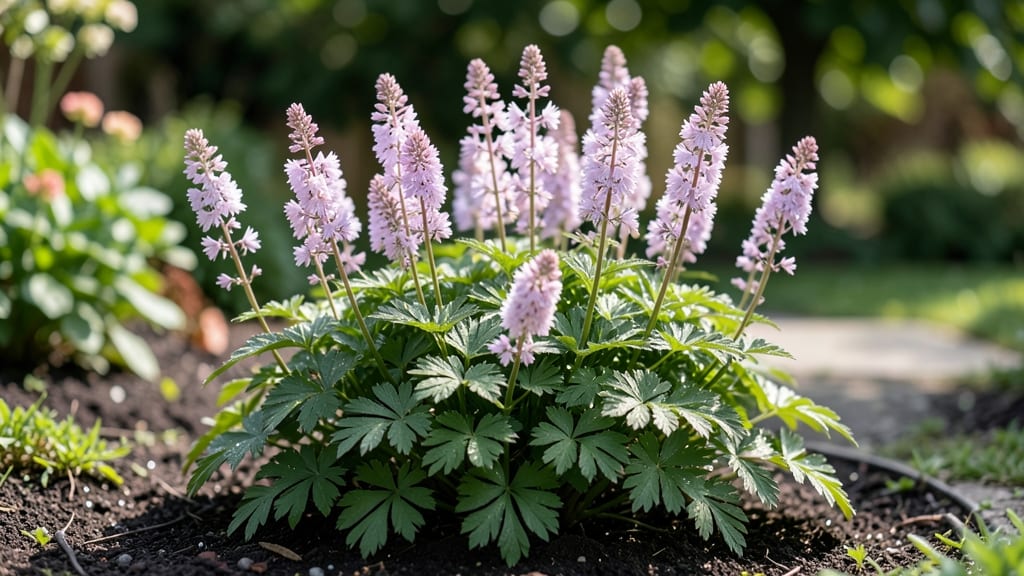
The astilbe bloom time in late spring to early summer 🌸 turns your garden into a dreamy, feathery spectacle that lasts for weeks.
If you’ve ever wondered why your astilbe plants seem to bloom at different times—or why some varieties produce feathery plumes earlier than others—timing is everything.
This ornamental favorite thrives in USDA Zone 6a and beyond, with bloom cycles that shift based on variety, sunlight, and soil moisture. Early bloomers like Astilbe chinensis kick off the show in June, while late-season types like Astilbe japonica hold court through August.
Below, I’ll break down the exact bloom windows by variety, share pro tips to extend those show-stopping plumes, and pair them with complementary plants for a garden that stays vibrant all season.
Astilbe bloom time by variety: a seasonal breakdown
Timing your garden’s astilbe blooms starts with knowing which varieties thrive in your USDA zone. These feathery plumes offer early summer to late summer color, but their exact bloom windows vary.
For example, Astilbe chinensis often kicks off the show in June, while Astilbe japonica varieties may linger until August. Understanding these differences helps you create a sequential bloom display that keeps your garden vibrant all season.
In cooler USDA zones 3-5, blooms typically start 2-3 weeks later than in warmer zones. For instance, a zone 4 garden might see Astilbe ‘Deutschland’ burst into color in late June, while the same variety in zone 8 could bloom as early as mid-May.
Regional adjustments ensure you’re not left with bare stems when you expected plumes.
Here’s a quick reference for astilbe bloom times by variety, tailored to USDA zones 3-9. Use this to plan your garden’s color sequence and pair astilbes with complementary plants like hostas or heucheras for layered interest.
| Variety | Bloom Time (Zones 3-5) | Bloom Time (Zones 6-8) | Height (ft) | Color |
|---|---|---|---|---|
| Astilbe chinensis | Late June - Early July | June - Mid-June | 1.5-2.5 | Pink, white |
| Astilbe japonica ‘Deutschland’ | Late June - July | June - Late June | 2-3 | Red |
| Astilbe ‘Fanal’ | July - Early August | June - July | 2.5-3.5 | Deep red |
| Astilbe ‘Bridal Veil’ | July - August | Late June - July | 1.5-2 | White |
| Astilbe ‘Amethyst’ | July - August | Late June - July | 2-2.5 | Purple |
Early bloomers like Astilbe chinensis are perfect for spring-to-summer transitions, filling gaps between tulips and daylilies. Plant them near hostas or ferns to create a lush, shaded border. These varieties thrive in partial shade and moist soil, making them ideal for woodland gardens or under trees.
For mid-season color, turn to Astilbe japonica varieties like ‘Deutschland’ or ‘Fanal’. These late June to July bloomers pair beautifully with black-eyed Susans or coneflowers to extend your garden’s summer display. In USDA zone 9, they may even rebloom lightly in fall with proper care.
If you’re aiming for late summer flair, Astilbe ‘Bridal Veil’ or ‘Amethyst’ deliver July-August blooms that bridge the gap before fall asters or sedum take over. These varieties are also cutting garden stars—their feathery plumes hold up well in vases, adding texture to bouquets.
To maximize bloom time, deadhead spent flowers regularly and mulch heavily to retain moisture. In drier zones, consider drip irrigation to prevent early wilting. With the right variety selection and care adjustments, you can enjoy astilbe blooms from June through August, or even later in mild climates.
Pro tip: Group astilbes by bloom time in your garden plan. For example, place early bloomers near late spring bulbs like alliums, while late bloomers can flank summer
How to extend astilbe bloom time with proper care
Astilbes reward gardeners with their stunning feathery plumes, but their bloom time can feel disappointingly short. With the right care, you can extend those vibrant displays by 3-4 weeks or more.
The key lies in understanding their needs—from watering consistency to strategic deadheading—and avoiding common pitfalls that cut blooms short.
I’ve found that moisture balance is the single most critical factor. Astilbes love consistently damp soil, but soggy conditions or drought stress can trigger early bloom decline. Pair this with proper sunlight and fertilization, and you’ll transform your astilbes from short-lived stars into long-lasting garden showstoppers.
⚠️ Common Mistake Alert: Over-Fertilizing
Too much nitrogen or late-season feeding can stimulate leafy growth at the expense of blooms. I once saw a pink astilbe produce only 10% of its usual plumes after a heavy summer feed. The fix? Use balanced 5-10-10 fertilizer early in the season and skip feeding after July.
Start by deadheading spent blooms regularly—this isn’t just about looks. Removing faded plumes redirects the plant’s energy into new flower production. I snip off stems just above the first set of leaves using clean, sharp shears, which also prevents seed formation that can drain the plant.
Lighting plays a surprising role too. While astilbes tolerate partial shade, they need at least 4 hours of morning sun to set buds properly. I’ve noticed my white astilbe varieties bloom 2 weeks longer when placed in east-facing beds rather than deep shade.
Avoid harsh afternoon sun, though—it can scorch delicate foliage.
For reviving struggling plants, focus on soil moisture. Let the top inch dry between waterings, but never let the roots dry out completely. In hot climates (USDA zones 7-9), I mulch with 2-3 inches of organic matter to retain moisture and keep roots cool.
This simple step has extended my purple astilbe blooms by nearly 3 weeks in summer.
Finally, don’t overlook the power of pruning in early spring. Cut back last year’s stems to 6 inches tall before new growth appears. This encourages stronger, bushier plants that produce more blooms. I’ve seen first-year plants go from 5 plumes to 30+ after this simple step.