
Flowers
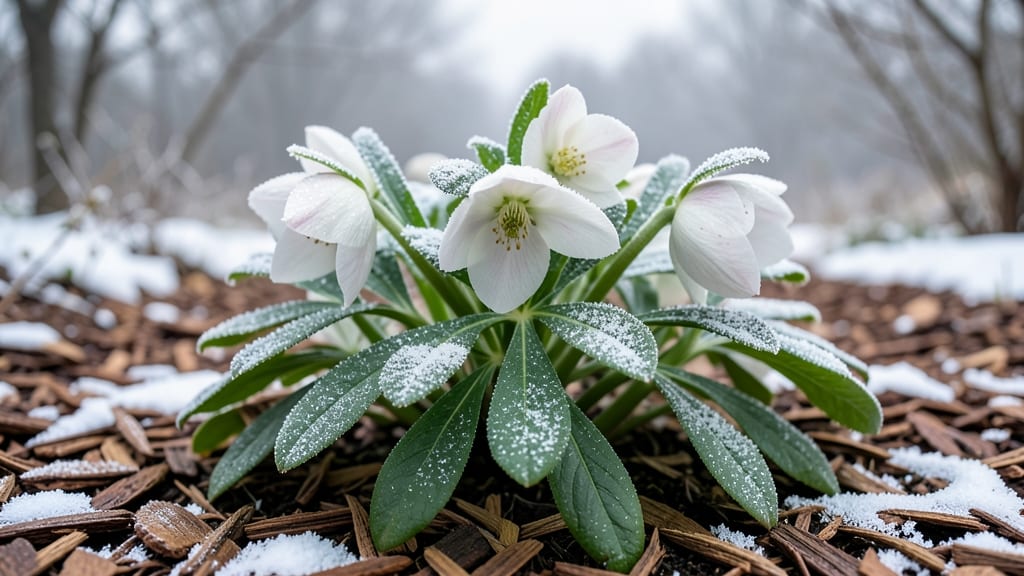
Are there flowers that bloom in winter? The answer is a resounding yes—cold-weather bloomers bring vibrant color and life to gardens when most plants are dormant.
Winter gardens aren’t just about evergreens—some flowers actually love the chill, bursting into bloom when temperatures drop. Imagine fragrant yellow Winter Jasmine 🌸 climbing a trellis or delicate hellebores nodding under a blanket of snow. These hardy species prove that winter isn’t a dead season for flowers.
If you’re wondering how to keep your garden vibrant through the coldest months, the answer lies in choosing the right plants. Many winter bloomers, like snowdrops and pansies, are tough enough to handle frost while still delivering stunning displays.
With the right care—like proper soil prep and strategic planting—they can turn a gray winter landscape into a cheerful one.
Below, I’ll share five cold-hardy flowers that defy frost, how to grow them in your zone, and simple tips to extend their blooming season. Whether you’re in Zone 6a or further, these plants will give your winter garden the color and fragrance it deserves.
5 Cold-hardy flowers that bloom in winter (and how to grow them)
Winter gardens often feel barren, but cold-hardy flowers can transform your yard into a winter wonderland. These resilient plants not only survive frost but thrive, offering vibrant blooms when most gardens are dormant.
The key is selecting varieties adapted to USDA zones 4-8 and providing proper care for winter conditions.
From delicate snowdrops to bold winter jasmine, these flowers prove that winter isn’t a season of hibernation for your garden. Their unique adaptations—like thick petals and deep root systems—allow them to push through snow and ice. Let’s explore five standout winter bloomers and how to grow them successfully.
Below, you’ll find a comparison of winter flowers that perform best in cold climates, including their hardiness zones, sunlight needs, and planting tips to ensure year-round color.
| Flower | USDA Zones | Sunlight Needs | Bloom Time | Planting Tip |
|---|---|---|---|---|
| Hellebore (Lenten Rose) | 4-9 | Partial shade | Late winter to early spring | Plant in well-draining soil with organic matter; mulch heavily. |
| Winter Jasmine (Jasminum nudiflorum) | 6-9 | Full sun | Late winter | Plant in fall after last heatwave; prune in early spring. |
| Snowdrops (Galanthus) | 3-8 | Partial shade | Early winter to early spring | Naturalize in woodland gardens; plant bulbs 3 inches deep. |
| Pansies (Viola tricolor) | 5-10 | Full sun to partial shade | Fall to early spring | Sow seeds in late summer; deadhead for continuous blooms. |
| Crocus (Spring Crocus) | 3-8 | Full sun | Late winter | Plant bulbs in fall; mulch with straw for insulation. |
One of my favorite winter bloomers is winter jasmine, with its cheerful yellow flowers that appear before leaves emerge. This climbing shrub thrives in USDA zones 6-9 and loves full sun.
Plant it near a fence or trellis to create a stunning winter display. Its fragrant blooms also attract early pollinators, giving your garden a head start in the spring.
For shady gardens, hellebores are a must. These evergreen perennials produce bowl-shaped flowers in shades of white, pink, and purple. They’re drought-tolerant once established and bloom from late winter to early spring.
To encourage blooming, I always mulch heavily around the base with compost to protect roots from freezing temperatures.
If you’re looking for early winter color, snowdrops are the perfect choice. These delicate white flowers often bloom through light snow and are one of the first signs that spring is on the way.
They thrive in partial shade and woodland gardens, making them ideal for underplanting shrubs or trees. Their naturalizing habit means they’ll spread over time, creating a carpet of early blooms.
Don’t overlook pansies for winter color. These hardy annuals come in a rainbow of colors and can handle light frosts. They’re perfect for container gardens or edging borders.
To keep them blooming, I always deadhead spent flowers and fertilize lightly with a balanced fertilizer every 4-6 weeks. Their cheerful faces add a playful touch to
How to extend winter blooms: soil, sunlight, and protection tips
Cold-hardy flowers like winter jasmine and hellebores can brighten your garden even when temperatures drop. The key to extending their blooms lies in three critical factors: soil preparation, optimal sunlight exposure, and protective measures against frost.
These strategies help plants thrive when most gardens are dormant, giving you vibrant color from late fall through early spring.
First, focus on soil amendments to improve drainage and nutrient retention. Winter bloomers often struggle in heavy, compacted soil that holds excess moisture. Amend your beds with compost or aged manure in early fall to create a well-aerated, fertile growing medium.
This helps roots access oxygen and nutrients even in cold weather, keeping plants vigorous and blooming longer.
Next, consider your garden's microclimate. South-facing slopes or walls absorb heat during the day and radiate it back at night, creating warmer pockets perfect for winter bloomers.
If your yard lacks natural warmth, group plants together to form a windbreak and use reflective mulch like light-colored gravel to maximize heat retention.
🌿 5 Pro Tips to Extend Winter Blooms
- 1. Mulch heavily with 4-6 inches of straw or shredded leaves to insulate roots and retain moisture. Avoid organic mulch like wood chips, which can compact and reduce airflow.
- 2. Choose frost-resistant varieties like pansies or winter aconite, which tolerate light frosts (28°F) without damage. Check USDA Zone ratings for your area.
- 3. Water deeply but less frequently—once every 2-3 weeks—to prevent soil from freezing. Early morning watering minimizes evaporation and reduces frost risk on petals.
- 4. Use frost cloths on tender blooms (like winter jasmine) during sudden cold snaps (below 20°F). Secure fabric loosely to allow airflow and prevent moisture buildup.
- 5. Prune strategically after the first hard frost to remove dead foliage and redirect energy to new growth. Avoid heavy pruning in late winter, as it can stress plants before spring growth begins.
Light is another game-changer. While many winter bloomers tolerate partial shade, 6+ hours of sunlight maximizes flower production. If your garden is shady, opt for low-light tolerant varieties like hellbores or winter pansies, which thrive with just 3-4 hours of light.
Position containers near south-facing windows or use reflective surfaces (like white walls) to bounce extra light onto plants.
For extra protection, create a mini greenhouse effect with clear plastic domes or cloche covers over individual plants. These traps radiant heat during the day and releases it slowly at night, extending the growing season by 2-4 weeks.
Just remember to remove covers on mild days (above 40°F) to prevent overheating and humidity buildup.
Finally, monitor your plants for early signs of stress, like yellowing leaves or wilted blooms. These often signal overwatering or nutrient deficiencies. A light application of balanced fertilizer (10-10-10) in early spring jumpstarts growth, while foliar sprays of seaweed extract boost cold resistance naturally.
With these adjustments, your winter garden can stay in full bloom well into the chilly season.