
Blooming
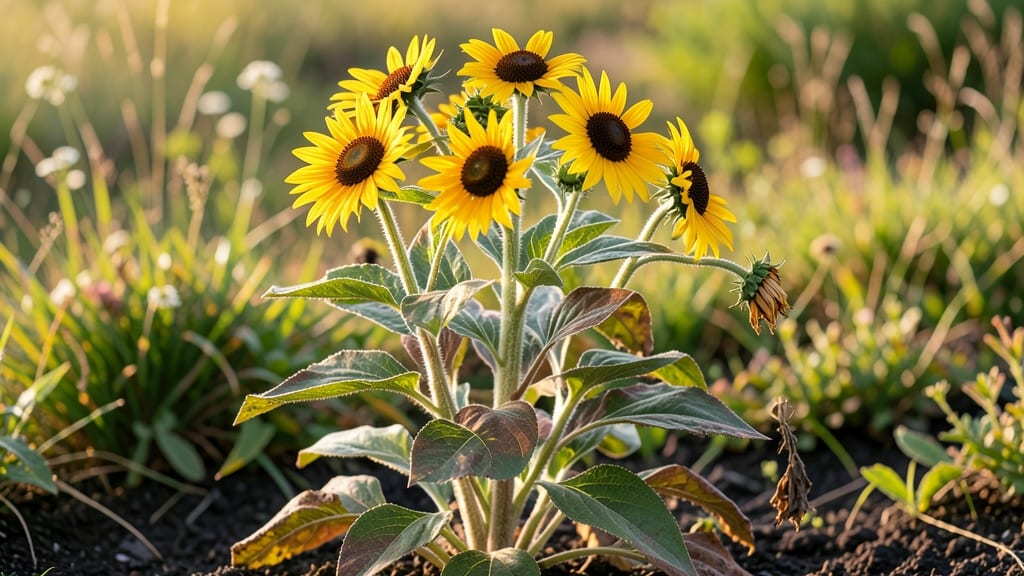
Yellow bloom flowers bring sunshine to your garden, even when the sky stays gray. 🌻 I’ve learned that certain varieties—like sunflowers, black-eyed Susans, and coreopsis—don’t just tolerate heat and drought, they thrive in it, returning year after year with bold, cheerful color.
The secret isn’t just planting them; it’s arranging them to create focal points that draw the eye and lift the mood. These sunlit stars shine brightest when paired with deep purples, rich blues, or soft whites—think coneflowers, salvias, or even dark-leaved heucheras.
A single sunflower towering over a border of golden marigolds creates instant drama, while a container filled with coreopsis and lavender adds lightweight charm to patios. The best part? Many of these bloomers are perennial, meaning once they’re established, they come back bigger and better every spring.
Imagine a border that stays vibrant from late spring through fall, with daffodils giving way to black-eyed Susans, then coreopsis taking over as summer fades. The color shift keeps your garden feeling fresh, while the height variations—from mounded daffodils to towering sunflowers—add dynamic movement.
Even in small spaces, a single 5-gallon pot of golden blooms can transform a dull corner into a cheerful highlight. The magic happens when you let them mingle naturally.
Let sunflowers lean into wildflower patches, let marigolds spill over container edges, and let coreopsis brighten shady spots where nothing else grows. These flowers don’t just fill space—they fill your garden with joy, season after season. Ready to make your yard the brightest on the block?
The Hidden Triggers Behind Pale Blooms
If your once-vibrant flowers are now sporting a dull, yellowish hue instead of their usual brilliance, don’t panic—it’s often a sign of underlying issues rather than a death sentence for your garden.
Understanding the root causes can help you revive your plants and restore their radiant colors. Here’s why your flowers might be turning yellow and what’s really going on beneath the soil.
Yellowing blooms are a classic cry for help when roots are drowning in excess moisture. Most flowering plants, especially perennials like Coreopsis or Black-Eyed Susans, thrive in well-draining soil. When water pools around roots—whether from overzealous watering, heavy clay soil, or a lack of mulch—they suffocate, leading to:
- Root rot: Fungal infections like Phytophthora or Pythium thrive in waterlogged conditions, cutting off nutrient uptake and causing leaves (and blooms) to yellow.
- Nutrient leaching: Excess water washes away essential minerals (like nitrogen or magnesium), starving the plant of what it needs to produce pigment.
- Oxygen deprivation: Roots need air to breathe. Compacted or soggy soil forces them to "drown," triggering stress responses that manifest as yellowing.
Actionable fix: Test your soil’s drainage by digging a hole, filling it with water, and timing how long it takes to drain. If it’s slower than 4–6 hours, amend with organic matter (compost, perlite, or coarse sand) and elevate plant beds if needed. Water only when the top 1–2 inches of soil feel dry.
Flowers aren’t just art—they’re chemical factories, and a lack of key nutrients can halt pigment production, leading to pale or yellow blooms. The most common deficiencies include:
| Nutrient | Role in Flower Color | Yellowing Signs |
|---|---|---|
| Nitrogen (N) | Supports chlorophyll and overall plant health. | Older leaves yellow first (a classic chlorosis sign), but blooms may lose vibrancy. |
| Magnesium (Mg) | Central to chlorophyll production; critical for pigment synthesis. | Interveinal yellowing (veins stay green) on new leaves and blooms. |
| Iron (Fe) | Helps transport chlorophyll; deficiency disrupts energy production. | Bright yellow between veins (even on young leaves), dulling petals. |
| Potassium (K) | Regulates enzyme activity; stress from deficiency weakens color intensity. | Yellowing at leaf edges (scorching) and weak stems that can’t support vibrant blooms. |
Actionable fix:
- For magnesium/iron: Apply chelated nutrients (like Epsom salt for Mg or ferrous sulfate for Fe) or use acidifying amendments (pine needles, peat moss) if your soil is alkaline.
- For nitrogen: Use a balanced fertilizer (10-10-10) in early spring or compost tea.
- For potassium: Add banana peel tea or a potassium-rich fertilizer (like greensand).
Soil pH acts like a gatekeeper for nutrient availability. If it’s too alkaline (high pH), essential micronutrients like iron and manganese become "locked up," while acidic soil (low pH) can leach nutrients or attract harmful pathogens. Yellow blooms often signal:
- Chlorosis: When pH > 7.0, iron and manganese become unavailable, causing interveinal yellowing (common in hydrangeas or azaleas).
- Toxic aluminum buildup: In acidic soil (pH < 5.5), aluminum can damage roots, reducing nutrient uptake and dulling flower color.
Actionable fix:
- Test your soil’s pH with a home kit or send a sample to a local extension office.
- For alkaline soil: Add sulfur or peat moss to lower pH gradually (aim for 6.0–7.0 for most flowers).
- For acidic soil: Mix in lime or wood ash to raise pH (but avoid overdoing it—test first!).
Hidden invaders can sap a plant’s energy, leaving blooms pale and wilted. Common culprits include:
- Aphids/spider mites: These sap-sucking pests inject toxins that disrupt pigment production, causing yellowing or stippling on petals.
- Fungal infections: Diseases like powdery mildew or rust clog stomata (pores), preventing nutrient absorption and leading to dull, yellowish blooms.
- Root-knot nematodes: Microscopic worms that feed on roots reduce water/nutrient uptake, starving flowers of the vibrancy they need.
Actionable fix:
- Inspect undersides of leaves and stems for pests. Blast them off with a water spray or use neem oil (1 tsp per quart of water).
- For fungal issues, apply copper fungicide or baking soda spray (1 tbsp baking soda + 1 quart water + a drop of soap).
- Prevent nematodes with marigolds (natural repellents) or solarization (covering soil with plastic for 4–6 weeks to kill larvae).
Extreme conditions—whether too much sun, scorching heat, or sudden cold snaps—can shock plants into dropping pigment. Yellow blooms often appear when:
- Heat stress: Temperatures above 90°F (32°C) can cause bleaching or sunscald, turning petals yellow or white.
- Cold damage: Frosts or late-season chills disrupt cellular function, leading to chlorosis (yellowing) in new growth.
- Windburn: Dehydration from harsh winds forces plants to prioritize survival over vibrant blooms.
Actionable fix:
- Provide afternoon shade (use shade cloth) for heat-sensitive bloomers like petunias or
Revive Your Wilted Blooms Naturally
When your vibrant yellow flowers lose their luster, don’t toss them out—bring them back to life with these targeted fixes. Whether your plants are struggling from overwatering, pests, or nutrient deficiencies, these solutions are simple, effective, and tailored to restore your garden’s golden glow.
Yellowing blooms often signal soggy roots or compacted soil. Here’s how to drain the drama and revive your plants:
🔥 Step 1: Check the Soil Gently dig around the base of the plant (about 2–3 inches deep). If the soil feels muddy or smells like wet socks, drainage is the issue.
🍳 Step 2: Improve Soil Aeration
- Mix in coarse sand, perlite, or compost to break up heavy clay soil.
- For potted yellow blooms, repot into a container with drainage holes and fresh, well-draining potting mix.
- Pro Tip: 🌡️ Test moisture by sticking your finger in—if the top inch is damp, wait before watering again!
⏰ Step 3: Adjust Watering Habits
- Water deeply but infrequently—aim for 1–2 inches per week (adjust for rain).
- Avoid wetting leaves to prevent fungal infections.
- ✨ Prevention: Mulch around the base to retain moisture without suffocating roots.
Yellowing leaves or stems might hide tiny invaders or fungal foes. Act fast with these organic fixes:
🔪 Step 1: Identify the Culprit
- Aphids/Spider Mites? Look for sticky residue or tiny webs.
- Fungal Spots? Check for yellow patches with dark edges (like powdery mildew).
- Root Rot? Pull the plant—smelly, mushy roots mean overwatering + fungus.
👨🍳 Step 2: Treat Naturally
| Problem | Fix It With | How to Apply |
|---|---|---|
| Aphids/Mites | Neem oil or insecticidal soap | Spray leaves (early morning/evening). |
| Fungal Infections | Baking soda spray (1 tsp + 1 quart water) | Mix with a drop of dish soap; spray weekly. |
| Root Rot | Hydrogen peroxide (3%) or fungicide | Soak roots in 1:10 water/peroxide for 10 mins before repotting. |
💡 Prevention:
- 🌿 Space plants for airflow (crowding = fungal party).
- 🍎 Rotate crops if growing annuals to starve soil-borne pests.
- 🎯 Sterilize tools with rubbing alcohol between plants.
Yellow blooms can scream for nitrogen (leaves), phosphorus (flowers), or magnesium (yellow edges). Diagnose and fix:
📊 Step 1: Soil Test First
- Grab a DIY test kit (or send a sample to a local extension office).
- Quick fix: Epsom salt (magnesium) for yellowing leaves—dissolve 1 tbsp in a gallon of water and water the base.
💪 Step 2: Fertilize Smartly
- For Nitrogen (Pale Yellow Leaves): Use fish emulsion or a balanced 10-10-10 fertilizer.
- For Phosphorus (Fewer Blooms): Switch to a bloom booster (5-10-10 or higher phosphorus).
- For Iron/Magnesium (Yellow Between Veins): Apply chelated iron or greensand.
🌡️ Prevention:
- 🔥 Feed in stages: Over-fertilizing burns roots—follow package rates!
- 🥗 Compost annually to replenish organic matter naturally.
- 🌿 Avoid synthetic salts—they can harm soil long-term.
Yellow blooms might be sunburned (bleached yellow) or etiolated (weak, pale yellow from shade).
🔥 Step 1: Assess the Spot
- Sunburn? Leaves look crispy or bleached on sunny sides.
- Leggy/Weak? Stems stretch, leaves turn yellow-green—needs more light.
🍳 Step 2: Adjust Their Home
- Move gradually—sudden changes shock plants. Shift pots or prune branches to acclimate.
- Use shade cloth (30–50%) for afternoon sun protection.
- 💡 For indoor yellow blooms: Place near east/west windows or use grow lights 12–14 hours/day.
✨ Prevention:
- 🌿 Know your plant’s light needs—most yellow bloomers (like marigolds or coreopsis) thrive in full sun (6+ hours).
- 🎯 Monitor leaves—if they yellow only in direct sun, it’s time to relocate!
🌟 Final Tip: Patience is key! Some yellow blooms take 2–4 weeks to bounce back. Prune dead growth to redirect energy, and soon, your garden will be bursting with golden cheer again. 🌻
Frequently asked questions
What are the best yellow flowers for attracting pollinators?
Marigolds and coreopsis are top choices! These bright bloomers pack a double punch—their vivid yellow hues draw bees, butterflies, and hummingbirds, while their long bloom seasons (spring through fall) keep pollinators fed year-round. Plant them near veggie gardens to boost fruit/vegetable production naturally.
Can yellow flowers thrive in partial shade?
While sunflowers and black-eyed Susans crave full sun, varieties like coreopsis and daylilies tolerate partial shade beautifully. For shady spots, try hostas with golden foliage or yellow impatiens—they’ll add cheerful pops without demanding sunlight.
How do I create a low-maintenance yellow garden?
Focus on perennials like coneflowers and goldenrod—they return yearly with minimal care. Group them in 5-gallon pots for easy mobility or plant in drifts along borders. Mulch with pine straw to suppress weeds and retain moisture.
What colors pair best with yellow blooms?
Deep purples (like lavender or coneflowers) create stunning contrast, while soft whites (e.g., shasta daisies) make yellows pop. For drama, try red salvias—the color clash is eye-catching! Avoid pairing with other bright yellows to prevent visual clutter.
Are there any yellow flowers that bloom all year?
No single variety blooms continuously, but you can create year-round color by layering spring daffodils, summer marigolds, and fall coreopsis. For containers, add tropical hibiscus (in warm climates) or pansies (in cooler months) to extend the season.