
Blooming
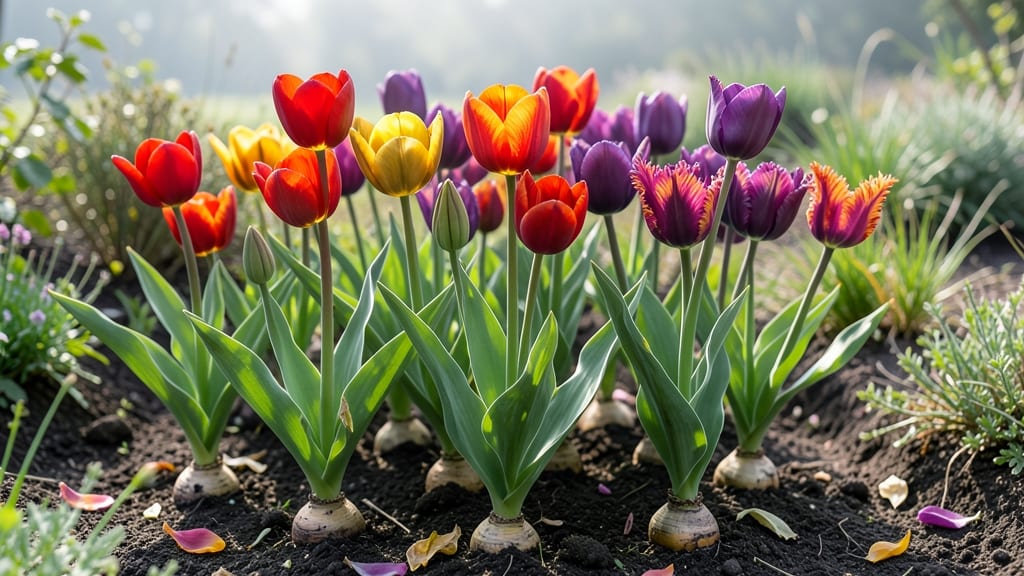
Tulips in Wisconsin bloom between late April and early May — but the exact timing depends on your hardiness zone, bulb variety, and when you planted them.
Wisconsin gardeners eagerly await tulip season, but timing varies dramatically across the state's unique hardiness zones. In Zone 4a, the earliest blooms might peek through snow in late April, while Zone 6b gardeners could enjoy them as late as early June.
This window isn't just about aesthetics—it's about strategy. Planting bulbs in September or October gives them the chill they need to bloom on time, while spring-planted varieties might push the bloom date by 2-4 weeks.
Below, I break down the zone-specific blooming timeline, how to adjust for your microclimate, and the 3 key factors that shift bloom dates—so you can time your garden's spring highlight perfectly.
Wisconsin tulip blooming timeline by USDA hardiness zones
Wisconsin's 5 USDA hardiness zones (3-7) create dramatic differences in tulip blooming windows—up to 4 weeks between northern and southern regions. In Zone 3, where winters are harsh, tulips often bloom 2-3 weeks later than in Zone 7 along Lake Michigan.
Understanding these variations helps you select early, mid, or late-season varieties for continuous color from April through May.
According to the Wisconsin State Climatology Office, average last frost dates range from April 15 in Zone 7 to May 1 in Zone 3. Tulips planted in well-draining soil with 6+ hours of sunlight typically need 120-150 frost-free days to mature.
This means Zone 4-5 gardeners (central Wisconsin) often see blooms in late April to early May, while Zone 6-7 gardeners (southern Wisconsin) enjoy earlier displays in mid-April.
Here's a zone-specific breakdown of tulip blooming windows, including early, mid, and late-season varieties that thrive in Wisconsin's climate:
| USDA Zone | Avg. Last Frost | Early Varieties | Mid Varieties | Late Varieties | Bloom Window |
|---|---|---|---|---|---|
| Zone 3 (Northern WI) | May 1 | 'Early Harbinger' (red) | 'Apeldoorn' (red/yellow) | 'White Dream' (white) | Late April - May 15 |
| Zone 4 (Central WI) | April 25 | 'Couleur Cardinal' (scarlet) | 'Queen of Night' (purple) | 'Darwin Hybrid' (mixed) | April 20 - May 10 |
| Zone 5 (Madison Area) | April 15 | 'Princeps' (yellow) | 'Oxford' (pink) | 'Black Parrot' (exotic) | April 10 - April 30 |
| Zone 6 (Southern WI) | April 5 | 'Red Emperor' (red) | 'Fosteriana' (orange) | 'Angelique' (pink) | March 30 - April 20 |
| Zone 7 (Lake Michigan) | March 25 | 'Greigii' (striped) | 'Estella' (pink) | 'Purple Prince' (purple) | March 20 - April 10 |
In Zone 3, where winters are longer and colder, tulips need extra chilling (90-120 days below 40°F). Varieties like 'Early Harbinger' thrive here, blooming in late April when soil temperatures reach 50°F.
Meanwhile, Zone 7 gardeners can push the envelope with early-blooming species like 'Greigii', which often appear as early as late March near Lake Michigan's warmer microclimates.
For central Wisconsin (Zones 4-5), where last frost dates vary widely, I recommend planting a mix of early and mid-season varieties. For example, 'Couleur Cardinal' (early) paired with 'Queen of Night' (mid) creates a 3-week bloom extension.
This strategy works particularly well in Madison's Zone 5 climate, where sudden late frosts can still threaten early bloomers.
Southern Wisconsin's Zones 6-7 offer the earliest displays, with 'Red Emperor' often blooming by late March. However, these areas also face hotter summers, which can stress tulips. To combat this, I plant late-season varieties like 'Angelique' to extend the show into early May when temperatures rise.
Adding 2-3 inches of mulch after blooming helps preserve bulb energy for next year.
Pro tip: Use soil thermometers to track when soil reaches 50°F—this is your cue that tulips are ready to emerge
How to extend Wisconsin tulip season with planting strategies
Wisconsin’s chilly springs often mean tulips bloom in a short 2-3 week window. But with the right planting strategies, you can stretch that window to 6 weeks or more—giving you vibrant blooms from late April through early June.
The key lies in timing, bulb selection, and leveraging microclimates that warm up faster than your average backyard.
Most gardeners focus on fall planting (September-October), but spring planting and soil temperature tricks can shift bloom times dramatically.
For example, planting early-blooming varieties in warmer microclimates (like urban heat islands) can push blooms forward by 2-3 weeks, while late-season bulbs in cooler spots delay them by the same margin.
- Fall Planting (Sept-Oct): Standard bloom window (April-May). Plant 6-8 weeks before frost for ideal root development.
- Spring Planting (April): Early blooms (May-June). Use pre-chilled bulbs to bypass dormancy.
- Soil Warmth Trick: Black plastic mulch raises soil 5-10°F warmer, speeding up sprouting by 1-2 weeks.
- Microclimate Hack: Urban areas bloom 2 weeks earlier than rural zones due to heat retention.
- Staggered Bulbs: Mix early, mid, and late varieties for continuous blooms.
For staggered blooms, choose a mix of Darwin Hybrid tulips (late May) and Greigii tulips (early April). Plant them in separate beds or containers to isolate their bloom cycles.
Urban gardeners can exploit south-facing walls or paved surfaces that absorb heat, creating microclimates where tulips push through snow 10-14 days earlier than in open fields.
Another pro tip: Pre-chill bulbs for spring planting. Store them in a cool (35-40°F), moist environment for 10-12 weeks before planting in April. This mimics winter dormancy and triggers faster sprouting.
Pair this with black plastic mulch to raise soil temperatures, and you’ll see blooms 3 weeks ahead of schedule.
Don’t overlook container gardening for extended seasons. Potted tulips in greenhouses or sunrooms can bloom indoors by late March, while outdoor containers near heat-retaining materials (like brick walls) push blooms forward by 2 weeks.
Just ensure pots have drainage holes to prevent rot during Wisconsin’s unpredictable spring rains.
With these strategic tweaks, your Wisconsin tulips won’t just survive the variable climate—they’ll thrive across an extended season, turning your garden into a colorful spring spectacle from April through June. 🌷