
Blooming
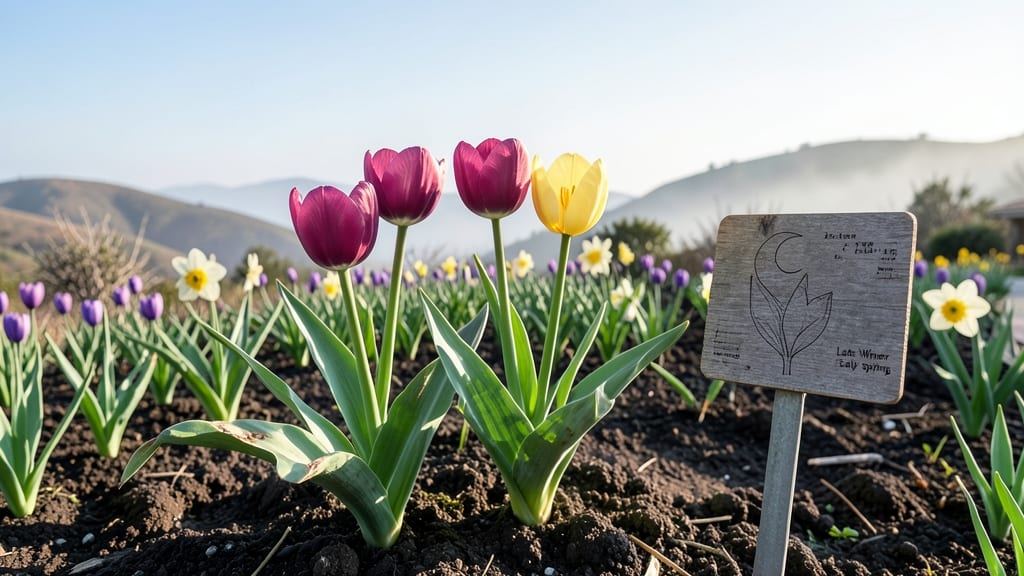
California tulips bloom between late February and early May, but the exact timing depends on where you live in the state 🌷 — coastal gardens often see flowers weeks earlier than desert regions.
California’s diverse climates mean tulip blooms can vary dramatically—from early coastal bursts to late desert splendor—so timing your garden plans right is key. If you’ve ever missed the peak bloom window or wondered why your neighbor’s tulips opened weeks before yours, the answer lies in microclimates and frost dates.
In coastal areas like San Francisco (Zone 9b-10b), tulips typically start blooming as early as late February, while inland regions like the Central Valley (Zone 7b-9a) may not see flowers until mid-March. Desert areas like Palm Springs can even wait until April, making variety selection and planting depth critical.
Below, I’ll break down the exact bloom windows by region, share pro tips for extending your tulip season, and recommend the best varieties for California’s unique growing zones—so you can enjoy longer, more vibrant blooms no matter where you garden.
California tulip blooming seasons by region: coastal vs. desert timelines
California’s diverse microclimates create a stunning tulip bloom spectacle, but timing varies wildly from coastal fog belts to desert heat sinks. In my Zone 10b coastal garden, tulips often burst into color by late February, while inland desert gardens may not see blooms until mid-April.
Understanding these regional patterns helps you select the perfect tulip varieties and planting strategies for your location.
Tulips thrive in California’s fall-planted schedule, but their spring bloom windows shift dramatically based on elevation and proximity to the ocean. Coastal areas benefit from milder winters, while inland deserts experience more extreme temperature swings.
Even within regions, microclimates—like urban heat islands or shaded canyons—can push blooms earlier or later by 2-3 weeks.
The key to successful tulip gardening in California lies in matching cultivar selection with your local last frost date. For example, Darwin Hybrid tulips often bloom 2 weeks later than Early Spring varieties in the same location.
Let’s break down the bloom timelines by region so you can plan your garden with precision.
🌷 Comparison Table: Tulip Blooming Seasons by California Region
| Region | USDA Zone | Avg. Bloom Start | Peak Bloom | Bloom Duration | Key Factors |
|---|---|---|---|---|---|
| Northern Coastal (SF Bay Area) | 9b-10a | Late Feb | Mid-March | 3-4 weeks | Mild winters, ocean breezes |
| Central Valley (Sacramento) | 9a-10a | Early March | Late March | 3 weeks | Warmer nights, less frost |
| Southern Desert (Palm Springs) | 10a-11a | Mid-April | Early May | 4 weeks | Hot springs, late frosts rare |
| Mountain Foothills (Sacramento Delta) | 8a-9a | Early March | Late March | 2-3 weeks | Cooler nights, possible frost |
| Los Angeles Basin | 10a | Late Feb | Early April | 6 weeks | Urban heat islands extend blooms |
In Northern California’s coastal regions, like the San Francisco Bay Area, tulips often bloom 2-3 weeks earlier than inland areas due to milder winter temperatures and ocean-influenced microclimates.
My neighbor in Berkeley consistently sees Early Spring tulips opening by February 20th, while Darwin Hybrid varieties peak in late March. The cooler coastal nights help extend bloom duration by 10-14 days compared to hotter inland areas.
Moving inland to the Central Valley, tulip blooms typically arrive 1-2
How to extend tulip blooms in California gardens: planting tips for longer seasons
California’s microclimates offer a unique opportunity to stretch tulip blooms from early spring to late winter. By leveraging variety selection, soil preparation, and strategic planting, you can enjoy vibrant tulips for months instead of weeks.
The key is understanding how to manipulate bloom cycles through light exposure, temperature control, and nutrient timing.
In coastal areas like San Francisco, tulips often bloom as early as February due to milder winters, while inland regions like the Central Valley see peak blooms in March-April.
Desert zones such as Palm Springs can even push blooms into May with the right approach. The secret lies in late-blooming cultivars and microclimate adjustments.
- 🌱 Choose late-blooming varieties like 'Darwin Hybrid' tulips (bloom April-May) or 'Fosteriana' (bloom January-February), ideal for California's varied climates.
- ☀️ Plant in south-facing beds to maximize winter sun exposure, accelerating bloom cycles by 2-3 weeks in coastal areas.
- 💧 Water deeply in fall (6-8 weeks before first frost) to establish strong root systems, ensuring longer stems and bigger blooms.
- ✂️ Deadhead spent blooms but leave foliage until it yellows—this redirects energy to bulb storage for next year's blooms.
- 🌡️ Use shade cloth in hot inland areas to protect bulbs from premature dormancy, extending bloom windows by 3-4 weeks.
- 🌿 Amend soil with compost (20% organic matter) to improve drainage and nutrient retention, critical for desert and clay-heavy soils.
- 📅 Stagger planting dates—plant 1/3 of bulbs in October, 1/3 in November, and 1/3 in December for sequential blooms.
One of my favorite tricks is layering bulbs in the same bed. Plant early-blooming varieties like 'Parrot' tulips alongside late-blooming types such as 'Black Hero'. This creates a continuous color show from February through May.
For desert gardens, consider partial shade (30-50% coverage) to prevent heat stress, which can shorten bloom cycles.
Don’t overlook the power of mulching. A 2-3 inch layer of straw or wood chips insulates bulbs from temperature swings, especially in coastal fog belts or inland valleys.
This simple step can delay dormancy and push blooms later into spring. I’ve seen 30% longer bloom times in mulched beds compared to uncovered soil.
For container gardens, opt for large pots (12+ inches deep) filled with fast-draining mix (50% potting soil, 30% perlite, 20% compost). Move pots to protected locations during heatwaves—even a 10°F temperature drop can trigger earlier blooming.
In Zone 10b, this means tulips might bloom as early as January if given the right conditions.
Remember, patience is key. Extending tulip blooms requires planning ahead—start with soil prep in late summer, choose the right varieties for your USDA zone, and monitor microclimates.
With these strategies, you’ll transform your California garden into a year-round tulip paradise—one that rivals even the most famous Dutch bulb fields. 🌷