
Blooming
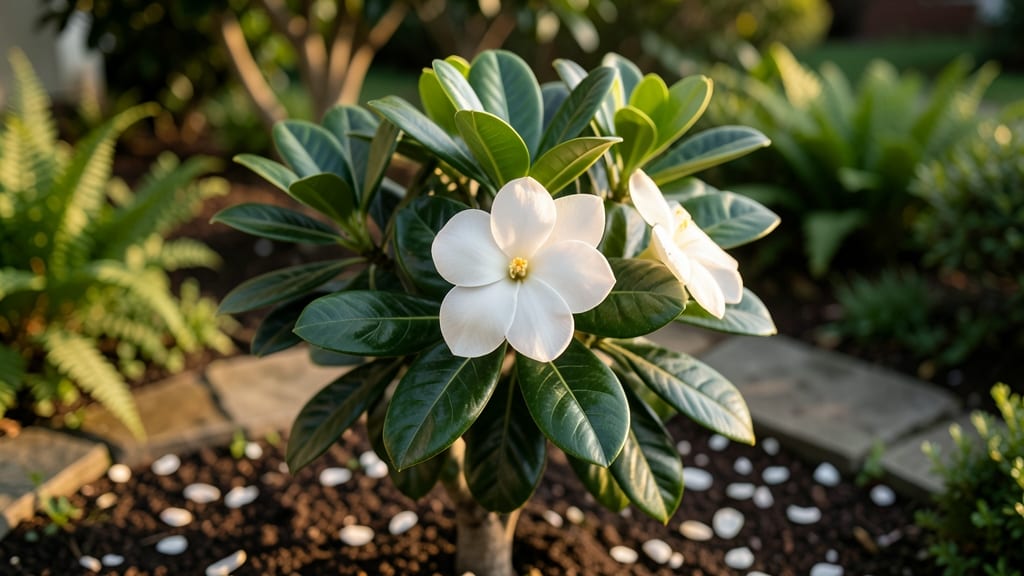
Gardenia blooms in Zone 9 typically kick off in late spring, with most varieties hitting their peak between May and July—though timing can shift based on heat triggers and your local microclimate.
If you’ve ever waited eagerly for your 🌸 gardenias to burst into fragrant bloom—only to be left wondering why they’re late—you’re not alone. In Zone 9, bloom windows depend on heat spikes, humidity, and even pruning habits, meaning your neighbor’s ‘Kleim’s Hardy’ might flower weeks before yours.
This guide breaks down the exact bloom windows by variety, from early spring bloomers like Gardenia jasminoides to late-season performers that stretch into fall. You’ll also discover how to nudge blooms earlier (or delay them) using simple care tweaks—like adjusting watering or avoiding summer fertilizing.
Ready to transform your gardenia’s blooming schedule? We’ll cover the top 3 heat-tolerant varieties for Zone 9, regional variations (coastal vs. inland), and the one pruning mistake that kills flowers before they even open.
Gardenia bloom seasons in Zone 9 by variety: exact month-by-month guide
In Zone 9, gardenias follow a winter-to-early-spring blooming pattern, but exact timing varies wildly by variety. While most bloom from December through March, some heat-sensitive types like Gardenia jasminoides 'Radicans' may push blooms into April during mild winters.
Coastal areas often see 2-3 weeks earlier blooms than inland zones due to moderate temperatures and higher humidity.
Understanding these patterns helps you anticipate fragrance bursts and adjust care routines. For example, 'Fortuniana' varieties thrive in Zone 9's heat and may produce late-season blooms in May if summer rains arrive early. Meanwhile, 'Clematis' hybrids typically bloom December-February but can rebloom lightly in fall if pruned correctly.
Heat waves above 90°F can delay or stunt blooms, while consistent 70-80°F nights trigger flower buds. Humidity below 50% during bud formation may cause bud drop. Let’s break down the exact bloom windows by your most likely gardenia varieties in Zone 9.
| Variety | Primary Bloom Window | Secondary Bloom (If Any) | Heat Impact | Humidity Needs |
|---|---|---|---|---|
| Gardenia jasminoides 'Radicans' | Late November - March | May (if summer rains) | Blooms delayed above 85°F | 60-80% |
| Gardenia augusta 'Fortuniana' | December - February | April (coastal areas) | Heat-tolerant; blooms extend into spring | 50-70% |
| Gardenia jasminoides 'Clematis' | January - March | September-October (fall rebloom) | Bud drop risk above 90°F | 70-90% |
| Hybrid 'Kleim's Hardy' | December - February | None (single flush) | Early blooms if planted in partial shade | 60-85% |
| Gardenia thunbergia 'Veitchii' | February - April | July-August (late summer) | Late blooms if summer is wet | 55-75% |
The 'Radicans' variety is the earliest bloomer in Zone 9, often starting as early as late November if temperatures stay mild. This makes it ideal for holiday fragrance gardens.
Its secondary bloom in May is a bonus for those who love springtime scent bursts, but it requires consistent moisture during bud formation to prevent drop.
'Fortuniana' stands out as the most heat-tolerant variety, often extending blooms into April in inland areas. Unlike other varieties, it thrives in Zone 9's summer heat and may even produce occasional late-season blooms if summer rains arrive early. This makes it perfect for low-maintenance gardeners who want longer fragrance seasons.
If you're growing 'Clematis' hybrids, expect a two-flush bloom cycle: the main show from January to March, followed by a surprise fall rebloom in September-October. The trade-off? These varieties are highly sensitive to heat waves.
Buds formed in late summer may drop if temperatures exceed 88°F for more than 3 days. To protect them, provide afternoon shade during heat spikes.
For ever-blooming types, look to 'Veitchii', which can produce two distinct bloom cycles: one in late winter/early spring and another in late summer. This variety is less common but highly rewarding for gardeners who want year-round fragrance.
The key to encouraging its second bloom is light pruning after the spring flush and increasing water slightly
How to trigger earlier (or delay) gardenia blooms in hot climates
In Zone 9, gardenias often bloom between November and March, but heat and humidity can disrupt this natural cycle. The key to advancing or delaying blooms lies in understanding their temperature triggers and adjusting care routines.
For example, ‘Kleim’s Hardy’ may flower as early as October with the right conditions, while ‘Veitchii’ might extend blooms into April if managed properly.
To speed up blooming, focus on cool-season growth—gardenias need 60–65°F daytime temps to set flower buds. In Zone 9’s heat, this means pruning in late summer to encourage fresh, heat-resistant growth.
Avoid heavy pruning after September, as new shoots won’t mature enough to bloom before winter’s end.
⚠️ callout-warning ⚠️
Too much nitrogen-rich fertilizer (like lawn food) fuels leafy growth at the expense of blooms. In Zone 9, switch to a low-nitrogen, high-phosphorus formula (e.g., 10-20-10) 3 months before your target bloom time. For earlier blooms, apply this in July; for delayed blooms, wait until September.
✅ Do: Use bone meal (3-4-0) in spring for phosphorus.
❌ Don’t: Feed after mid-October—it disrupts dormancy.
For soil adjustments, gardenias thrive in acidic soil (pH 5.0–6.5). Test your soil—Zone 9’s alkaline conditions often stall blooms.
Amend with sulfur or peat moss to lower pH, and top-dress with pine needles annually. Mulch with oak leaves in late summer to insulate roots and signal cooler conditions, prompting bud formation.
Watering hacks are critical in Zone 9’s heat. Gardenias need consistent moisture but hate soggy roots. Water deeply 2–3 times per week in summer, then reduce to once weekly as temps drop. For earlier blooms, increase watering in late summer to encourage root growth. Conversely, lightly water in winter to delay blooming until spring.
Light exposure plays a surprising role. While gardenias prefer partial shade, 3–4 hours of morning sun boosts flower production. In Zone 9, afternoon shade is non-negotiable—direct sun after 12 PM scalds buds.
If your gardenia blooms late, try moving it slightly east in late summer to capture cooler morning light.
Finally, stress management is key. Transplanting or repotting in Zone 9’s heat can shock plants, delaying blooms. If you must relocate, do it in early spring and water heavily for 2 weeks to reduce stress.
For delayed blooming, prune spent flowers in late winter to redirect energy into stronger spring growth instead of repeat blooming.