
Blooming
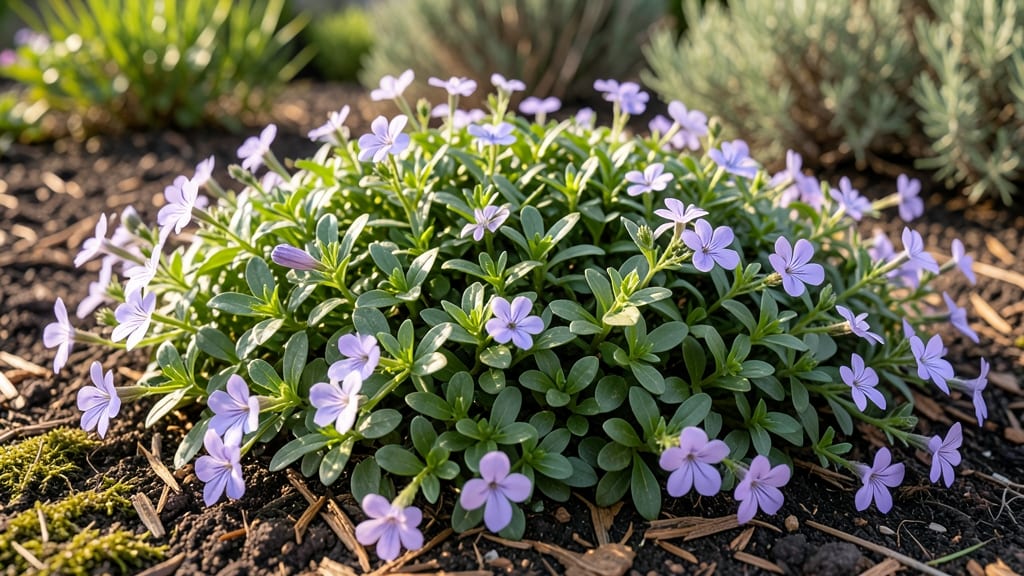
The Vinca minor bloom time is a game-changer for gardeners planning early-season color 🌸—those delicate flowers typically arrive in late spring, but with the right care, they can stretch into early fall.
If you’ve planted Vinca minor—also known as creeping myrtle or periwinkle—you’ve likely noticed its glossy foliage, but when do those delicate purple or white flowers actually appear? Timing your expectations (and care) correctly can mean the difference between a sparse display and a lush, year-round floral show.
In USDA Zone 6a, where many gardeners plant Vinca Minor in March-April, blooms usually kick off in May, peaking through June and July. However, cooler climates or shaded spots might delay flowering, while sunnier locations can push the season earlier.
Below, I’ll share how to extend Vinca Minor blooms—from pruning tips to fertilizer tricks—so you’re not left with just a few weeks of color. Plus, I’ll cover the best companion plants to pair with it for a longer-lasting spring display.
Natural vinca minor bloom time: seasonal patterns & climate influences
Vinca minor—or creeping periwinkle—typically blooms from late spring through early fall, with peak flowering occurring between May and July in most regions. This evergreen ground cover surprises gardeners with its delicate purple, white, or pink flowers that appear sporadically throughout the growing season. Unlike many spring-flowering plants, vinca minor can produce intermittent blooms all season long, making it a reliable choice for year-round interest.
The exact bloom timing depends heavily on your USDA hardiness zone and local climate. In cooler northern zones (USDA 3-6), flowers often emerge as early as April and continue until frost in late fall.
Meanwhile, in warmer southern zones (USDA 7-9), blooming may start in March and stretch into November, with minimal winter breaks. Understanding these patterns helps you set realistic expectations for your garden.
Here’s how climate influences vinca minor’s bloom schedule:
| Climate Factor | Effect on Bloom Time | Regional Example |
|---|---|---|
| USDA Zone 3-5 | Blooms May-July; shorter season due to frost | Northeast (e.g., New York, Michigan) |
| USDA Zone 6-8 | Blooms April-October; longer, consistent season | Midwest/South (e.g., Ohio, Georgia) |
| USDA Zone 9-11 | Blooms March-November; minimal winter break | Southwest (e.g., Arizona, California) |
| High Altitude | Delays bloom until late May-June due to cooler temps | Rocky Mountains (e.g., Colorado) |
| Humid Climates | Blooms prolonged but sparser due to fungal risks | Southeast (e.g., Florida, Louisiana) |
In the Northeast, where winters are harsh, vinca minor often waits until after the last frost (typically mid-April to May) to burst into bloom. The first flush of flowers is usually the most abundant, followed by scattered blooms through summer.
Gardeners in New England or the Great Lakes region may see a second, smaller bloom cycle in early fall before frost sets in.
Conversely, in the Southwest, vinca minor thrives year-round with minimal dormancy. In Arizona or Southern California, you’ll spot flowers as early as February, with peak blooming in spring and fall.
The hot, dry summers can cause a slight slowdown, but consistent moisture keeps the plant producing flowers sporadically. This makes vinca minor a low-maintenance choice for xeric landscapes.
Some vinca minor varieties naturally bloom earlier than others. For example, the ‘Illumination’ series, with its chartreuse-and-white variegated foliage, often flowers 2-3 weeks earlier than standard types.
Meanwhile, the ‘Giralda’ cultivar, known for its deep purple blooms, tends to have a longer, more continuous bloom season when grown in partial shade. Choosing the right variety can help you align blooms with your garden’s seasonal needs.
Light exposure plays a critical role in bloom timing. While vinca minor tolerates shade, it produces more abundant flowers when given 4-6 hours of morning sun. In full shade, blooms may be sparser and later in the season.
Conversely, too much afternoon sun (especially in hot climates) can cause stress and reduced flowering. Aim for a balanced light spot—like under dappled tree canopy—to encourage consistent, early blooms.
Soil conditions also shift bloom timing. Vinca minor prefers well-draining, slightly acidic soil (pH 6.0-7.0). In heavy clay soils, blooms may be delayed until the soil warms in late spring. Amending the soil with compost or sand can help stimulate earlier flowering.
Overly fertile soil, however, can lead to excess foliage and fewer flowers, so use a balanced, low-nitrogen fertilizer sparingly.
To predict bloom times in your area, watch for these key signals: new growth in early spring, followed by flower buds within 4-6 weeks. In warmer zones, buds may appear as early as February, while in cooler zones, they’ll wait until May.
Keeping a gardening journal to track your plant’s progress helps refine your expectations year after year.
Understanding these natural patterns lets you plan companion plants
How to extend vinca minor blooms: pruning, fertilizing & light tricks
Vinca minor naturally blooms from late spring to early fall, but with the right care, you can coax those purple or white flowers to appear almost year-round. The key lies in understanding its growth habits and adjusting your approach seasonally. I’ve found that combining pruning techniques, targeted fertilization, and light management can transform a single-season show into a continuous floral display.
Many gardeners mistakenly assume Vinca minor is low-maintenance, but its flowering potential depends heavily on your intervention. For example, skipping deadheading can shorten the bloom season by up to 30%, while over-fertilizing in summer may cause leafy growth at the expense of flowers.
Let’s break down the proven strategies that work in my garden—and those of my fellow plant enthusiasts.
- Deadhead regularly every 2-3 weeks to encourage new flower buds. Use clean pruners to snip spent blooms just above the leaf node.
- Fertilize in spring with a balanced 10-10-10 formula, but avoid summer feeding—it promotes leaf growth over flowers.
- Adjust sunlight: Morning sun (3-4 hours) + afternoon shade prevents heat stress and prolongs blooms in hotter zones.
- Prune lightly in fall to remove 1/3 of old growth, which stimulates fresh shoots for early spring blooms.
- Water deeply once weekly in drought-prone areas—Vinca minor tolerates dry spells but blooms best with consistent moisture.
One of the most common mistakes I see is over-pruning in summer. Vinca minor stores energy in its stems and roots, so aggressive cuts during peak growth can delay or reduce flowering. Instead, I recommend light pruning after blooms fade to maintain shape without stressing the plant.
For example, after the late-summer bloom, I trim back only the leggiest stems to encourage compact, bushier growth for next season.
When it comes to fertilizer choices, I’ve had the best results with slow-release granules applied in early spring. Liquid fertilizers can burn roots if overused, while organic compost (like well-aged manure) provides steady nutrients without spikes.
Pro tip: Mix 1 tbsp of 10-10-10 into the top 2 inches of soil around the plant’s drip line—this mimics natural nutrient distribution and avoids root burn.
Light is another critical factor. While Vinca minor thrives in partial shade, too little sunlight can reduce flower production. In my USDA Zone 7 garden, I position it to receive morning sun and afternoon shade.
If you notice fewer blooms in summer, try moving potted plants to a sunnier spot temporarily—just avoid intense afternoon heat, which can scorch the leaves and stress the plant.
For year-round blooms, I also recommend layering varieties. For instance, ‘Illumination’ (with yellow variegated leaves) blooms earlier in spring, while ‘Giralda’ extends flowering into late fall. This creates a staggered bloom cycle that keeps your garden vibrant from April through October.
Pair these with companion plants like ajuga or ferns to create a low-maintenance ground cover that stays lush and colorful.