
Blooming
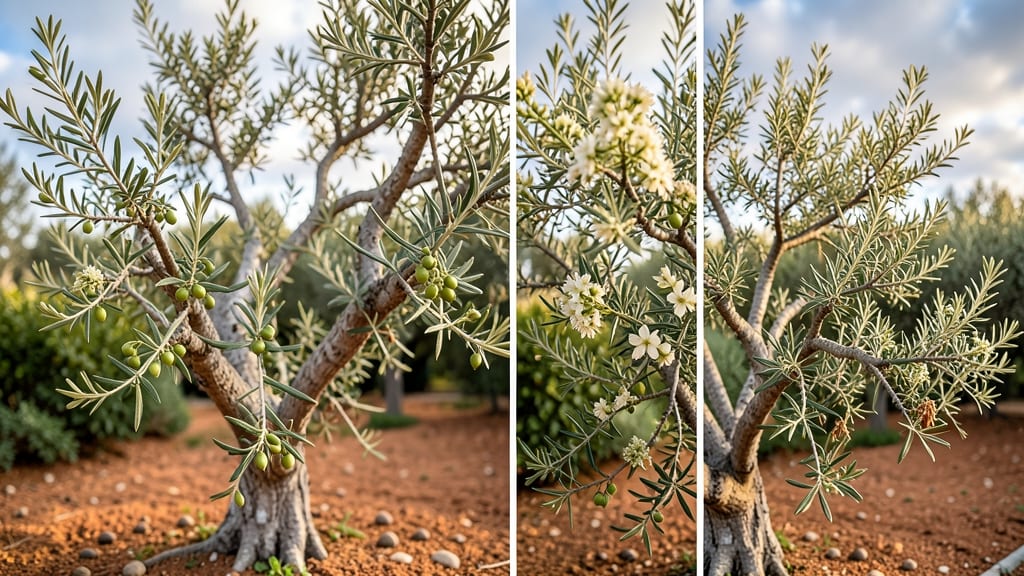
Understanding the olive tree bloom stages 🫒 is your roadmap to a thriving tree and a future harvest of rich, flavorful olives.
Watching an olive tree bloom is like witnessing nature’s slow-motion masterpiece—each stage reveals whether your tree will yield bountiful fruit or struggle to thrive. But how do you recognize the subtle shifts from dormancy to harvest?
Most gardeners miss the early signs because they don’t know what to look for. Buds appear in late winter, tiny white flowers bloom in spring, and by summer, you’ll see tiny olives forming—but only if the tree got enough sunlight, water, and care at the right times.
In this guide, I’ll walk you through every stage of olive tree blooming, from first buds to ripe fruit, plus the simple tricks to encourage healthier blooms year after year.
Olive tree bloom stages: month-by-month breakdown of flowering and pollination
Understanding your olive tree’s bloom stages is key to predicting fruit yield and troubleshooting issues early. Unlike many trees, olives bloom in late winter to early spring, with subtle shifts that reward close observation.
The process begins with bud formation in cool months and peaks during warm, dry spells—critical for successful pollination. In Mediterranean climates, blooms align with mild, wet winters, while temperate zones may see delays due to cooler temperatures or frost risks.
Each stage—from flower bud development to fruit set—depends on precise environmental cues. For example, olive flowers thrive in 50–70°F temperatures and low humidity, but drought or excessive heat can cause bud drop.
By tracking these phases, you can adjust care—like pruning timing or watering schedules—to maximize blooms and future harvests. Let’s break down the month-by-month timeline and what to watch for in your region.
| Stage | Months (Mediterranean) | Visual Cues | Key Care Tasks | Environmental Needs |
|---|---|---|---|---|
| Winter Pruning | December–February | Dormant branches; no leaves or flowers | Prune dead wood; shape tree | Cool temps (40–60°F) |
| Bud Formation | February–March | Tiny green buds appear on branches | Reduce watering; avoid fertilizer | 50–60°F, increasing daylight |
| Flowering | April–May | White/pink inflorescences (tiny flowers) | Hand-pollinate if no bees; monitor pests | 60–75°F, low humidity |
| Fruit Set | June–July | Green olives (1–2 cm); some buds drop | Thin overcrowded fruit; water deeply | Warm days (75–90°F), dry air |
| Growth Spurt | August–September | Olives plump; new leaves emerge | Fertilize lightly; mulch soil | Sunny, moderate water |
In Mediterranean climates (like California or Spain), olive trees bloom reliably in April–May, thanks to cool, wet winters followed by warm springs. But in temperate zones (e.g., Zone 8 or cooler), blooms may delay until May–June due to later frost risks.
If your area experiences unseasonable cold during bud formation, buds may abort, leading to poor fruit set. To mitigate this, prune in late winter to encourage new growth and protect emerging buds from late frosts.
One of the most critical visual cues is the color of the inflorescences. Healthy blooms appear as small white or pale pink clusters, while stressed trees may produce fewer or darker flowers.
If you notice bud drop (flowers falling off before setting fruit), it’s often due to overwatering, nutrient deficiencies, or poor pollination. In such cases, hand-pollinate flowers with a soft brush or attract native bees by planting bee-friendly plants nearby.
The fruit set stage (June–July) is where many gardeners see olive trees fail—not because of blooms, but due to environmental mismatches. For example, excessive heat (>90°F) or drought stress can cause premature fruit drop.
To support your tree, water deeply but infrequently (every 10–14 days for mature trees) and thin overcrowded fruit to ensure remaining olives receive adequate nutrients. Leave 6–8 inches between olives on branches for optimal growth.
By August–September, your olive tree enters its growth spurt phase, where olives plump up and new leaves emerge. This is the time to fertilize lightly with a balanced organic fertilizer (e.g., 6-6-6 NPK) to support fruit development.
Avoid heavy feeding, as it can overstimulate foliage at the expense of olives. Instead, focus on mulching to retain soil moisture and protect roots from summer heat. If your tree is potted, ensure the container has drainage holes to prevent root rot.
Environmental factors like humidity
How to identify healthy vs. unproductive olive tree blooms
Olive tree blooms can be deceiving—what looks like a promising flowering season might actually signal poor fruit set. The key lies in understanding healthy bloom indicators like flower color, pollination success, and fruit retention.
A productive olive tree will show dark purple flowers that transition into olive-sized fruit within weeks, while unproductive blooms drop early or remain greenish-yellow.
Start by examining your tree’s flower clusters—healthy blooms appear dense and fragrant, while sparse or wilting flowers suggest stress. Pay attention to the fruit set rate: if fewer than 10% of flowers develop into olives, your tree may need pollination support or nutrient adjustments.
Common mistakes like over-fertilizing with nitrogen or neglecting winter pruning can disrupt this delicate balance.
⚠️ Critical Bloom Stage Red Flags
Bud Drop: If 50%+ of flowers fall off within 2 weeks of blooming, your tree may be underwatered, over-fertilized, or stressed by pests like olive fruit flies.
Pale Flowers: Yellowish-white blooms instead of deep purple often mean poor pollination or nutrient deficiency (lack of phosphorus or potassium).
Stunted Growth: New shoots shorter than 2 inches after bloom suggest root damage or winter chill hours were insufficient.
To boost fruit yield, hand-pollinate on windless days by gently brushing flower clusters with a soft brush. Prune overcrowded branches in late winter to improve airflow and sun exposure, which encourages healthier blooms.
Avoid pruning during active flowering, as this can stress the tree and reduce fruit set.
Pests like scale insects or aphids can also sabotage blooms by sucking sap from flower buds. Inspect leaves and stems for sticky residue (honeydew) or black sooty mold. Treat with neem oil or insecticidal soap if you spot infestations during bud formation (late winter).
Monitor your tree’s watering schedule—deep but infrequent watering (every 10–14 days) prevents root rot while ensuring blooms receive consistent moisture. Overwatering in spring can lead to bud blast, where flowers abort before opening.
Mulch around the base with wood chips to retain soil moisture and regulate temperature.
By observing these cues and adjusting care accordingly, you’ll transform unproductive blooms into a bountiful olive harvest. Remember, patience is key—young trees may take 3–5 years to reach full fruit-bearing potential, but proper bloom management sets the foundation for success. 🌿