
Blooming
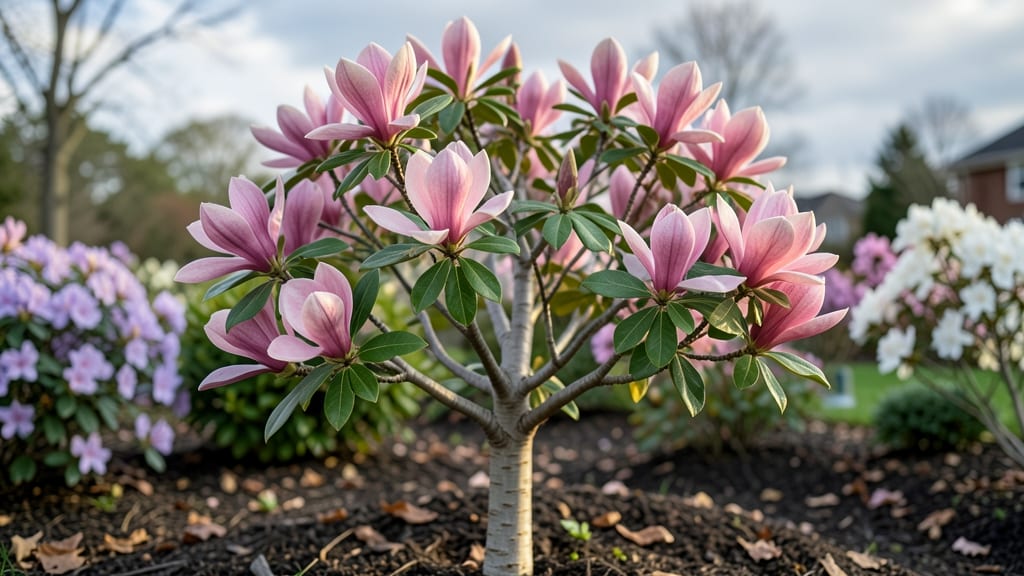
The Jane Magnolia bloom time arrives in late spring, typically between mid-April and early May, when the air warms and frost risks fade.
Picture this: your garden is still waking up from winter, but there it is—your Jane Magnolia bursting into soft pink perfection, stealing the show before tulips even think about fading. Yet, timing isn’t just about luck; it’s about understanding its heat zone triggers and late-spring surprises.
If you’re in USDA Zone 6a, like many gardeners, you’ll spot those iconic blooms around mid-May, but a warmer zone could push them earlier. The key? Planting after your last frost and giving it full sun—6+ hours daily—to set those blooms in motion.
In this guide, I’ll break down exactly when to expect those stunning flowers, why some trees bloom early (or not at all), and how to extend the show with simple care tricks—like pruning and fertilizing at the right times.
Jane Magnolia bloom time by USDA heat zones: when to expect flowers
The Jane Magnolia (Magnolia × 'Jane') thrives in USDA zones 5-9, but its bloom timing varies dramatically depending on your region.
In cooler zones (5-6), expect blooms in late April to early May, while warmer zones (7-9) often see flowers as early as March or even late February.
This stunning pink bloomer needs chill hours (300-600 hours below 45°F) to trigger buds, followed by warm spells to open them.
Southern gardeners in zones 8-9 may spot blooms 2-3 weeks earlier than their Midwest or Northeast counterparts. However, late frosts can damage buds in zones 5-6, delaying blooms until June in extreme cases. Understanding these patterns helps you plan your landscape and avoid disappointment.
| USDA Zone | Typical Bloom Window | Key Triggers | Frost Risk |
|---|---|---|---|
| Zones 5-6 | Late April - Early May | 600+ chill hours + 50°F+ spells | High (delayed blooms if frost hits) |
| Zones 7-8 | March - Mid-April | 400-500 chill hours + mild winters | Moderate (occasional late frosts) |
| Zone 9 | Late February - March | 300+ chill hours + warm winters | Low (rare frost after buds form) |
The Northeast (zones 5-6) often sees delayed blooms due to late spring frosts, while the Southeast (zones 7-9) enjoys earlier, longer bloom seasons.
For example, in Atlanta (zone 7b), Jane Magnolias typically bloom in early April, whereas in Chicago (zone 5b), they wait until late April or May.
This regional difference is why planting location matters—even within the same zone, microclimates can shift bloom timing by 1-2 weeks.
In warmer zones (8-9), Jane Magnolias often produce two bloom cycles: a primary flush in late winter and a secondary bloom in summer after rain. However, drought stress can reduce flower quality in these areas.
Conversely, cooler zones (5-6) usually get just one spectacular spring show, making timing critical for garden planning.
If you live in zone 5 or 6, plant Jane Magnolias near a south-facing wall to protect buds from frost. In zones 7-9, prioritize well-draining soil to prevent root rot, which can stress the tree and delay blooms.
Both strategies help optimize bloom timing regardless of your climate.
For Midwestern gardeners, track chill hours using a local weather app—aim for 500+ hours below 45°F before buds swell. In the Northeast, late frost dates (typically mid-May) dictate when to expect blooms.
Meanwhile, Southern gardeners can push the envelope by planting in sheltered microclimates to coax earlier blooms.
Pro tip: Mulch heavily in fall (zones 5-6) to protect roots and ensure the tree gets enough chill hours. In zones 7-9, avoid heavy mulch—it can cause root overheating, which may reduce bloom quality. Balance is key!
Jane Magnolias are late-season bloomers compared to early spring varieties like Saucer Magnolias, but they outshine most summer bloomers with their vibrant pink flowers. Their bloom duration (3-4 weeks) makes them a garden centerpiece, but timing is everything—plant wisely to avoid missing the show!
Remember: Patience pays off. Young Jane Magnolias (under 5 years old) may bloom lightly or not at all, but once established, they reward you with spectacular displays year after year.
Adjust your planting strategy based on your USDA zone, and you’ll maximize bloom potential every spring. 🌸
Late-spring surprises: why your Jane Magnolia might bloom early (or not at all)
Your Jane Magnolia (Magnolia × 'Jane') is a garden star, but late-spring surprises can leave you wondering why it's blooming early or skipping flowers entirely. These timing quirks often stem from environmental stress or care missteps that disrupt the tree's natural rhythm.
Understanding these factors helps you troubleshoot and restore your magnolia's predictable bloom schedule.
Unpredictable weather patterns—like early heat waves or late frosts—can confuse your magnolia's internal clock. For example, a sudden 60°F spike in March might trick it into blooming too soon, only to be nipped by a returning frost.
Similarly, improper pruning or nutrient imbalances can delay buds from forming altogether, leaving you staring at bare branches in May.
Soil conditions play a critical role too. Compacted or waterlogged soil starves roots of oxygen, while poor drainage can lead to root rot, both of which weaken the tree's energy reserves.
Even pest infestations—like scale insects or magnolia leaf gall—siphon nutrients, leaving your tree too exhausted to bloom. Let’s diagnose these issues with a simple checklist.
⚠️ Warning Signs & Quick Fixes
Early blooms? Check for frost damage or heat stress. Mulch heavily around the base to insulate roots and avoid late-season fertilizing.
No blooms? Rule out pruning mistakes (never cut after July 1st) and test your soil pH—aim for 5.5–6.5. Apply a balanced fertilizer (10-10-10) in early spring.
Yellowing leaves? This could signal overwatering or nutrient deficiency. Adjust to deep, infrequent watering and amend soil with compost.
Start by examining your watering habits. Jane Magnolias thrive on deep, infrequent watering—about 1–2 inches per week—but overwatering in spring can drown roots before buds even form.
Use a moisture meter to check soil levels; aim for moderately dry topsoil between waterings. Pair this with a 3-inch layer of mulch to retain moisture and regulate soil temperature.
Next, review your fertilizing strategy. Too much nitrogen-heavy fertilizer promotes leafy growth at the expense of flower buds. Instead, opt for a phosphorus-rich formula (like 10-20-10) in early spring to encourage blooming.
Avoid fertilizing after mid-July, as new growth won’t harden off before winter. For organic options, try bone meal or fish emulsion for a gentle phosphorus boost.
If pests are to blame, inspect leaves for sticky residue (aphids), white cottony masses (mealybugs), or chewed edges (caterpillars). Treat infestations with neem oil or insecticidal soap, and consider beneficial nematodes for soil-dwelling pests. A healthy magnolia with no pest pressure will rebound quickly with proper care.
Finally, protect your magnolia from late-spring frosts by choosing a sheltered location and using frost cloth during bloom time if you're in USDA Zone 6 or colder. For established trees, prune out dead branches in late winter to improve airflow and reduce frost pockets.
With these adjustments, your Jane Magnolia should reclaim its timing and reward you with showstopping pink blooms year after year. 🌸