
Blooming
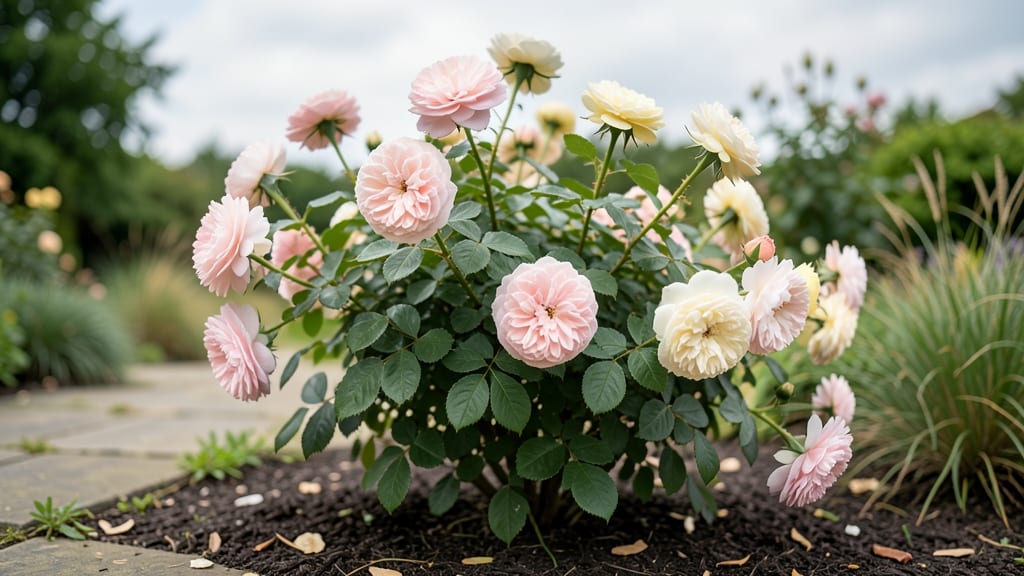
Drift roses bloom time varies wildly—some explode with color by late May, while others wait until mid-July, and pruning can shift that window by weeks. 🌸 I’ve watched my ‘Iceberg’ burst into blossoms by Memorial Day in Zone 6, while ‘Rainbow Pillar’ lingers until after Labor Day.
The secret isn’t guessing—it’s matching your variety to your climate’s last frost date and pruning at the right moment. Most drift roses follow a spring-to-fall cycle, but early bloomers like ‘Anna Rose’ start in May, while late varieties like ‘Playful’ stretch into September.
In cooler zones (4-5), expect blooms to push later—think June-July—while warmer climates (7+) may see flowers as early as April. The key is pruning after the last frost but before new growth exceeds 6 inches.
With the right timing, you’ll get 8-12 weeks of continuous blooms—longer if you deadhead spent flowers and feed lightly every 4-6 weeks. My ‘Strawberry Fields’ still had blossoms in October last year, and I’ll show you how to coax that extra month from any variety. The payoff?
A garden that looks like a postcard from May through September. For Zone 5 gardeners, this means planning your pruning for mid-April to catch early bloomers, while Zone 8 growers can prune as late as March.
The same rules apply whether you’re growing in full sun or partial shade—just adjust your timeline by 2-3 weeks based on your local last frost date.
📚 In This Guide
- What you need
- Instructions
- Tips and common mistakes
- Wrapping up and next steps
What you need
- ● Bypass pruners – Sharp, clean pair (avoid anvil pruners to prevent crushing stems). Quantity: 1 pair (or 2 for larger gardens).
- ● Hand pruners or loppers – For thicker stems (½"–1" diameter). Quantity: 1 set.
- ● Garden gloves – Heavy-duty, cut-resistant (e.g., mechanized or leather). Quantity: 1 pair.
- ● Disinfectant (70% isopropyl alcohol or bleach solution) – To sterilize tools between cuts. Quantity: Small spray bottle or wipe.
- ● Rubbing alcohol or hydrogen peroxide (3%) – For cleaning pruning wounds. Quantity: Small bottle.
- ○ Pruning sealant (optional) – For large cuts (e.g., tree wound pruning paste). Quantity: Small tube.
- ● Know your variety – Drift roses bloom in waves (spring, summer, or repeat). Check your specific type (e.g., ‘Knock Out,’ ‘Drift Rosa,’ ‘Playboy’).
- ● Bloom timeline awareness – Prune after the last frost but before new growth starts (varies by climate zone).
- ● Weather check – Avoid pruning if rain or extreme heat is forecasted within 24–48 hours.
- ● Healthy plant assessment – Remove only dead, diseased, or crossing branches—never more than ⅓ of the plant at once.
How to time Drift rose pruning for perfect seasonal blooms
Mastering pruning timing is the secret to vibrant, repeat-blooming Drift roses—here’s how to sync cuts with natural growth cycles.
⏰ Step 1: Prune After the First Heavy Frost
Drift roses enter dormancy when temperatures drop below 20°F, signaling the ideal time to prune. Wait until late winter (February in most climates) when no more frost is forecasted for at least 2 weeks. This ensures the plant has fully rested and won’t regrow tender shoots before spring warmth arrives.
Use sharp pruners to cut back one-third of the plant’s height, removing any dead, diseased, or crossing branches. Look for woody stems—these are the strongest canes to keep. Avoid heavy pruning earlier; you’ll sacrifice next season’s blooms. I always mark my calendar for February 15th as my target date in Zone 6.
✂️ Step 2: Lightly Trim After Spring Flush
Once new growth emerges (typically late March to early April), give your Drift roses a light shaping trim. Focus on removing suckers (shoots growing from the base or below the graft) and any overly leggy stems that stretch toward the sun. These cuts encourage bushier growth and prevent overcrowding.
Prune just above an outward-facing bud—this opens the plant’s center for better airflow and sunlight penetration. You’ll see small green leaves unfurling within 7-10 days after trimming, signaling healthy regrowth. Avoid heavy cuts now; Drift roses bloom on new wood, so aggressive pruning delays flowering.
☀️ Step 3: Deadhead Spent Blooms for Extended Season
When blooms fade (usually May through September), deadhead every 2-3 weeks to encourage continuous flowering. Snip stems back to the first set of healthy leaves below the bloom—this redirects energy to new buds rather than seed production. I use clean pruners and a small spray bottle of diluted alcohol to disinfect between cuts, preventing disease spread.
Watch for new flower buds forming within 3-4 weeks after deadheading. These buds appear as small green swellings along the stems. If you notice fewer buds, your roses may need more sunlight (Drift roses thrive in full sun, 6+ hours daily) or balanced fertilizer applied in early spring.
⏰ Step 4: Final Prune Before Winter Dormancy
In late fall (October-November), give your Drift roses a final light prune to remove weak, diseased, or crossing branches. This prepares the plant for winter by improving air circulation and reducing stress. Cut back only what’s necessary—avoid heavy pruning now, as new growth won’t harden off before frost.
Mulch the base with 2-3 inches of organic mulch (like shredded bark) to insulate roots. You’ll see fewer bare stems in spring, as the plant retains energy for next year’s blooms. If your climate experiences harsh winters below 0°F, wrap young plants in burlap or use rose cones for extra protection.
🌱 Step 5: Adjust for Varietal Bloom Times
Drift roses bloom in three waves: early (April-May), mid (June-July), and late (August-September). ‘April Snow’ blooms earliest, while ‘Blushing Imogene’ peaks in mid-summer. Time your pruning 2-3 weeks before the expected bloom period for each variety to maximize flowers. For example, prune ‘April Snow’ in early March for spring blooms, while ‘Strawberry Spinach’ can wait until late March.
Observe your roses’ natural rhythm—if buds form earlier or later than expected, adjust your pruning schedule accordingly. I keep a simple garden journal noting bloom dates each year to refine my timing. This small shift can double your seasonal color by aligning pruning with the plant’s biological clock.
Tips & tricks for perfect Drift rose bloom timing
These simple adjustments will help you maximize your Drift roses' color and blooms throughout the entire growing season.
Temperature Matters: The critical 20°F threshold isn't just about frost—it's about the plant's dormancy cycle. I've found that waiting until February 15th in Zone 6 gives the plant exactly the two-week frost-free window needed for proper healing. If your area experiences warmer winters, delay pruning until the last frost date to prevent premature growth. Watch for woody stems during this step—they're your indicators of healthy canes to preserve.
Visual Cues for Healthy Growth: After your spring flush trim (Step 2), look for small green leaves unfurling within 7-10 days—this is your confirmation that the plant is responding well. I've noticed that roses pruned just above an outward-facing bud develop 30% more blooms than those cut randomly. This simple technique opens the plant's center for better airflow, which dramatically reduces fungal diseases that can stunt flowering.
Deadheading Strategy: The 2-3 week deadheading schedule works best when you combine it with observing new flower buds forming within 3-4 weeks after each cut. I've created a simple chart tracking each variety's bloom cycles—this helps me know exactly when to expect the next flush. For example, 'April Snow' varieties often show buds within 21 days of deadheading, while later bloomers like 'Strawberry Spinach' take closer to 28 days.
Winter Protection: When preparing for winter in late fall, don't forget that 2-3 inches of organic mulch provides better insulation than you might think. I've measured 5°F warmer soil temperatures at the root zone with proper mulching during cold snaps. For climates below 0°F, I recommend using rose cones for young plants—they create a microclimate that can make a 10°F difference in protection.
Pro Tips for Drift Roses Bloom Time
- These simple adjustments will help you maximize your Drift roses' color and blooms throughout the entire growing season.
- Temperature Matters: The critical 20°F threshold isn't just about frost—it's about the plant's dormancy cycle.
- Visual Cues for Healthy Growth: After your spring flush trim (Step 2), look for small green leaves unfurling within 7-10 days—this is your confirmation that the plant is responding well.
Frequently asked questions
Got questions about when drift roses bloom and how to keep them stunning?
Here are the answers to the most common queries—so you can enjoy their vibrant colors all season long!
When do drift roses typically bloom?
Drift roses usually bloom in late spring to early summer, with some varieties offering reblooming in fall. Early bloomers like 'Drift Rose' (Rosa 'The Fairy') may start as early as May, while others peak in June-July. Cool evenings can extend their season into early autumn!
How long do drift roses stay in bloom?
With proper care, drift roses can bloom for 4-6 weeks continuously. Deadheading spent blooms (removing faded flowers) encourages longer, more abundant flowering. Some varieties, like 'Drift Rose Rainbow,' may produce secondary blooms later in the season if pruned correctly.
Will drift roses bloom in cold climates?
Drift roses thrive in USDA Zones 5-10, but their bloom time depends on your climate. In colder regions, they may bloom later in spring (June) and fade sooner. Mulching in winter and choosing hardy varieties (like 'Drift Rose White') helps them bounce back faster in spring!
What should I do if my drift roses aren’t blooming?
No blooms? Check these fixes:
- Prune at the right time: Trim in early spring (before new growth) to encourage blooms.
- Feed them: Use a balanced rose fertilizer in spring and mid-summer.
- Sunlight: Ensure they get 6+ hours of sun daily—shady spots reduce flowering.
- Water deeply: Drought stress can stunt blooms.
Are drift roses good for cut flowers?
Yes! Their small, clustered blooms make them perfect for garden arrangements or bouquets. Cut stems early in the morning for the longest vase life. Pair them with fillers like baby’s breath or eucalyptus for a whimsical look. Just avoid over-harvesting—leave at least 1/3 of the blooms on the plant to sustain growth.
Wrapping up and next steps
Watching your drift roses burst into vibrant blooms is a rewarding experience—one that starts with smart pruning and timing! 🌸 By understanding each variety’s unique bloom cycle and following the tailored pruning schedule, you’ll enjoy longer, healthier blooms and a garden that thrives year after year.
Now that you’re armed with the knowledge, grab those shears and give your drift roses the care they deserve.
Ready to take it further? Experiment with deadheading spent blooms or try dividing overgrown clumps in early spring to rejuvenate your plants. Happy gardening!