
Blooming
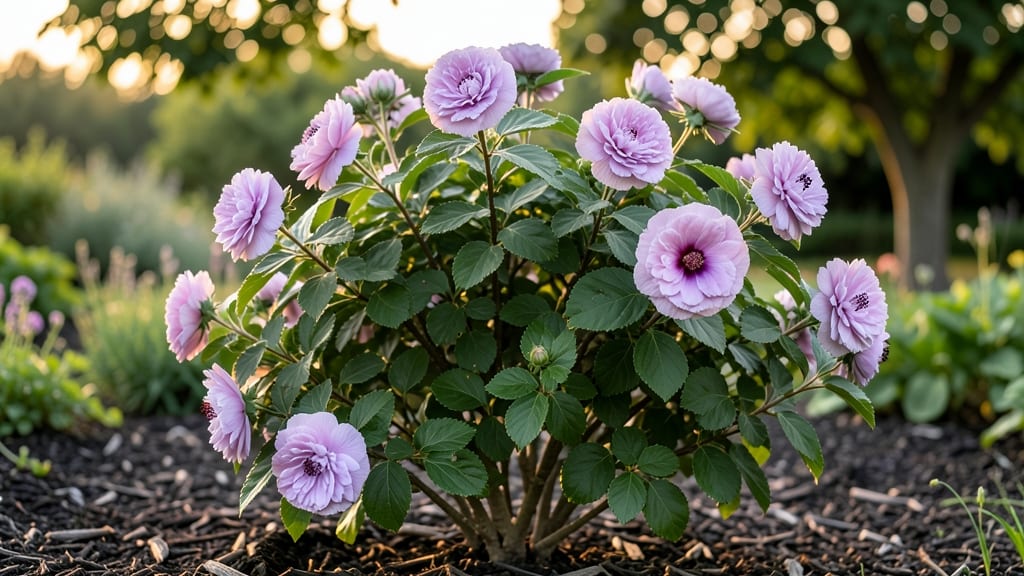
Double blooming Rose of Sharon transforms your summer into a nonstop floral show. 🌸 I learned the hard way that these heat-loving shrubs need a little extra care to keep producing those dramatic spikes of blooms—until I discovered the secret to triggering that second flush.
The key isn't just pruning or fertilizing; it's understanding how temperature shifts signal the plant to rebloom.
Start with full sun and well-draining soil—these shrubs hate soggy roots. Plant in early spring when the soil warms to 60°F, and give them space to grow 8-10 feet wide with proper air circulation.
Water deeply once a week (more in extreme heat), and feed with a balanced fertilizer in spring and again after the first bloom. The magic happens when you prune back old wood in late winter, leaving strong stems to push new growth.
By mid-summer, you'll see the first wave of blooms, but the real payoff comes when you time your second fertilizer boost with a 10-day heatwave. The stress of high temperatures triggers that second flush, giving you blooms from July through frost.
The flowers stay vibrant longer when you deadhead spent blooms and protect them from afternoon sun with light shade cloth if needed.
This works in zones 5-9, though southern gardeners may need afternoon shade. The biggest mistake? Overwatering or pruning at the wrong time. With these adjustments, your Rose of Sharon will become the star of your landscape—year after year.
📚 In This Guide
- What you need
- Instructions
- Tips and common mistakes
- Wrapping up and next steps
What you need
- ● Double Bloom Rose of Sharon Plant: 1 mature plant (3–5 years old for best reblooming potential)
- ● Varieties: Look for heat-tolerant cultivars like ‘Avalanche,’ ‘UFO,’ or ‘Alba’ (known for prolific double blooms).
- ● Pruning Tools: 1 pair bypass pruners (sharp, clean, and sterilized)
- ● 1 pruning saw (for thicker stems, if needed)
- ● Fertilizer: 1 balanced, slow-release fertilizer (10-10-10 or 20-20-20, 1–2 lbs per 100 sq ft)
- ● 1 high-phosphorus bloom booster (e.g., 5-10-10, ½ cup per plant during bloom cycles)
- ● Mulch: 2–3 inches of organic mulch (e.g., shredded bark, pine straw, or compost)
- ● Watering Supplies: 1 soaker hose or drip irrigation system (to deliver 1–1.5 inches of water weekly)
- ● 1 watering can (for spot-watering during droughts)
- ● Heat-Tolerant Soil Amendments: Compost (to improve drainage and nutrient retention)
- ● Gypsum (if soil is clay-heavy, 5 lbs per plant)
- ● Shade Cloth: 30–50% shade cloth (to protect young blooms from intense afternoon sun in extreme heat)
- ● Plant Growth Regulator: 1 bottle Paclobutrazol (Bonzi) (to encourage bushier growth and more blooms, follow label rates)
- ● Staking or Support: 3–4 bamboo stakes or tomato cages (to support heavy double blooms)
Step-by-Step guide to triggering double blooms on Rose of Sharon
Here's how I coax extra blooms from your Rose of Sharon—no fancy tricks, just smart timing and care.
☀️ Step 1: Prune for Structure and Heat Exposure
Prune in late winter or early spring before new growth begins. Cut back last year's branches by one-third, focusing on removing dead wood and crossing stems. This opens the plant to sunlight, which is crucial for triggering rebloom. I like to make cuts just above an outward-facing bud—this encourages new growth to spread outward rather than inward.
Don't rush this step. Wait until the ground thaws and temperatures consistently stay above 40°F before pruning. If you prune too early, you risk damaging tender new buds. You'll know you're ready when the soil feels dry to the touch and no more frost is forecasted.
💧 Step 2: Water Deeply During Heat Waves
Rose of Sharon thrives on deep watering—1-2 inches per week—especially during hot spells. Water at the base of the plant in the early morning to reduce evaporation. I use a soaker hose to deliver moisture slowly, which prevents fungal issues that can stress the plant and reduce blooming.
Watch for wilting leaves as your signal to water. The plant should bounce back within a few hours of deep watering. Mulch around the base with 2-3 inches of organic mulch to retain moisture and keep roots cool. This is where many gardeners go wrong—they water lightly and frequently, which leads to shallow roots and fewer blooms.
✂️ Step 3: Deadhead and Fertilize Strategically
After the first flush of blooms appears, deadhead spent flowers by cutting back to the first set of five leaves below the bloom. This redirects the plant's energy toward producing new buds rather than seeding. I do this every 2-3 weeks throughout the growing season to encourage continuous reblooming.
Fertilize lightly in early spring with a balanced 10-10-10 fertilizer, then switch to a low-phosphorus, high-potassium formula (like 10-5-10) once blooms appear. Over-fertilizing leads to lush foliage but fewer flowers. Apply fertilizer only when the soil is moist, and avoid getting it on the leaves to prevent burns.
🌿 Step 4: Manage Light and Heat for Extended Blooms
Rose of Sharon loves full sun—at least 6-8 hours daily—but in hot climates, afternoon shade helps prolong blooming. If your plant is struggling in intense heat, provide afternoon shade with a sheer cloth or by planting nearby trees that won't compete for water. You'll notice blooms lasting longer and the plant looking healthier.
Heat triggers reblooming, but extreme heat can stress the plant. If temperatures consistently exceed 90°F, increase watering slightly and monitor for signs of stress like yellowing leaves or wilting. A light misting in the early morning can also help cool the plant without overwhelming the roots.
⏰ Step 5: Prepare for Winter to Ensure Next Year’s Blooms
In late fall, reduce watering gradually to harden off the plant. Stop fertilizing 6-8 weeks before the first frost to allow the plant to prepare for dormancy. Prune lightly in late winter to remove dead wood, but avoid heavy pruning until spring. This keeps the plant healthy and ready to burst into bloom when temperatures rise again.
Mulch heavily around the base with 4-6 inches of organic mulch to insulate roots during cold snaps. This protects the plant from temperature fluctuations and ensures a strong start in spring. You'll see the difference in the following year with more vigorous growth and even more blooms.
Tips & tricks for year-round Rose of Sharon blooms
Here's what nobody tells you about keeping your Rose of Sharon flowering all season long.
Pruning Precision: When you're cutting back those one-third branches in Step 1, aim for an angle just above the outward-facing bud. This isn't just about removing wood—it's about directing new growth outward where sunlight can reach it best. I've seen gardeners make straight cuts, and while it works, angled cuts create a better surface for new growth to emerge. The key is making these cuts when temperatures consistently stay above 40°F, which signals the plant it's safe to start growing again.
Watering Wisdom: That 1-2 inches per week in Step 2 is non-negotiable, but timing matters just as much. Early morning watering isn't just about reducing evaporation—it gives the plant all day to absorb moisture before the heat of afternoon sets in. I've noticed that plants watered in the evening often develop fungal issues because the leaves stay wet overnight. For container-grown Rose of Sharon, you might need to water every other day during heatwaves, but always check the soil moisture first by sticking your finger an inch down.
Deadheading Done Right: The 2-3 week deadheading schedule in Step 3 works wonders, but there's a trick to it: always cut back to the first set of five leaves below the bloom. This isn't arbitrary—those five leaves contain enough energy reserves to support new bud formation. I've seen people cut too close to the stem, which can damage the plant's energy storage system and actually reduce future blooms. And here's a bonus tip: use clean, sharp pruners each time to prevent spreading disease between cuts.
Heat Management: The 6-8 hours of sunlight Rose of Sharon needs is perfect, but when temperatures exceed 90°F, you're dealing with a different scenario. That's when afternoon shade becomes crucial. I've found that even just 2-3 hours of afternoon shade during peak summer can extend blooming by several weeks. You can use shade cloth or even plant nearby trees that won't compete for water. The goal is to keep the plant cool enough to continue blooming without stressing it to the point of shutting down.
Pro Tips for Double Bloom Rose Of Sharon
- Here's what nobody tells you about keeping your Rose of Sharon flowering all season long.
- Pruning Precision: When you're cutting back those one-third branches in Step 1, aim for an angle just above the outward-facing bud.
- Watering Wisdom: That 1-2 inches per week in Step 2 is non-negotiable, but timing matters just as much.
Frequently asked questions
about the Double Bloom Rose of Sharon—get quick answers to common gardening queries!How do I encourage a second bloom on my Rose of Sharon?
Prune back stems by one-third after the first bloom fades (late summer). Heat and full sun trigger reblooming—ensure consistent watering and fertilize lightly with low-phosphorus feed. Deadhead spent flowers to redirect energy to new buds. Pro tip: Avoid heavy pruning in fall to protect winter hardiness.
When is the best time to prune for double blooms?
Prune in early spring (before buds swell) to shape the plant, then again late summer (after first blooms) to promote reblooming. Skip fall pruning—it stunts winter recovery. Use clean, sharp shears to avoid disease. Warning: Never prune in winter when the plant is dormant.
Can Double Bloom Rose of Sharon survive extreme heat?
Yes! This variety thrives in heat (up to 90°F+) but needs consistent moisture—water deeply 2–3 times weekly during dry spells. Mulch around the base to retain soil moisture. If leaves wilt, it’s thirsty, not dead! Bonus: Heat stress can actually enhance second blooms.
What if my Rose of Sharon only blooms once?
Check these fixes:
- Sunlight: Ensure 6+ hours of full sun daily.
- Pruning: Cut back 1/3 of stems post-first bloom.
- Fertilizer: Use balanced, low-phosphorus feed (e.g., 10-10-10).
- Water: Drought stress = fewer blooms.
Are there alternatives for year-round blooms?
For non-heat-dependent rebloomers, try:
- Butterfly Bush (Buddleia) – Blooms summer to fall, drought-tolerant.
- Hydrangea (e.g., 'Endless Summer') – Reblooms with deadheading.
- Abelia – Light pruning + heat = multiple flushes.
Wrapping up and next steps
The Double Bloom Rose of Sharon is a gardener’s dream—its ability to rebloom spectacularly with heat and proper care makes it a standout star in any landscape.
By mastering its seasonal triggers, pruning techniques, and soil needs, you’re not just growing a plant; you’re cultivating a year-round floral spectacle that turns heads and fills your garden with joy.
Ready to unlock its full potential? Start by experimenting with a small patch this season—track what works, adjust your approach, and watch your Rose of Sharon thrive beyond expectations! 🌸✨