
Blooming
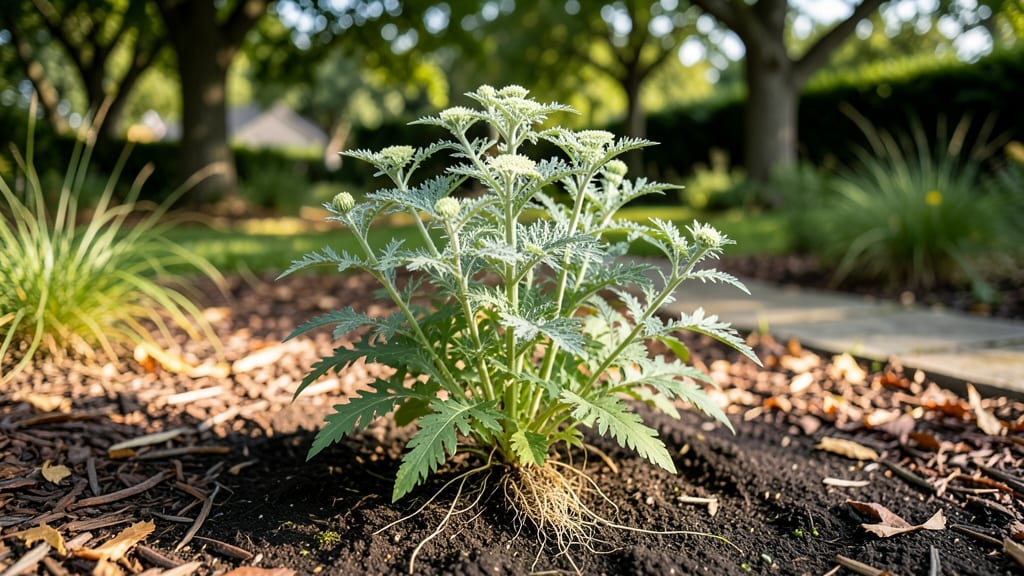
Yarrow does not typically bloom in its first year, as it prioritizes building a strong root system and leafy growth instead. Flowering usually begins in the second year, though some varieties may produce limited blooms under ideal growing conditions.
Yarrow follows a natural biennial growth pattern, where the first year is all about survival and preparation. 🌱 This means your plant will focus energy on developing deep roots and lush foliage rather than flowering, which requires significant resources.
Many gardeners are surprised to see their yarrow plants look healthy but flowerless in their first season—this is completely normal and actually a sign of robust growth. Once established, yarrow can become a long-lived perennial, often blooming reliably for years with proper care.
What sets yarrow apart is its adaptability—some varieties, particularly those grown in warm climates or with exceptional care, may produce a few small flowers in their first year. However, these early blooms are usually sparse and not the lush displays you'd expect from a mature plant.
The key to encouraging earlier flowering lies in providing optimal growing conditions, including well-draining soil, full sun exposure, and consistent moisture without waterlogging.
💡 In This Article
- Why Yarrow Takes Two Years to Flower
- Encouraging Early Yarrow Blooms: Proven Techniques
Why yarrow takes two years to flower
Yarrow follows a biennial growth cycle, where the first year is all about building a strong foundation. During this stage, the plant allocates up to 80% of its energy toward developing a deep, extensive root system and dense foliage.
This root network can reach 2-3 feet deep, allowing yarrow to access water and nutrients efficiently—critical for its survival and future flowering. The leaves, often feathery and aromatic, act as solar panels, capturing sunlight to fuel this underground growth. 🌱
The shift to flowering in the second year occurs because the plant has stored enough carbohydrates in its roots (up to 30% of its total biomass) to support the energy-intensive process of producing flowers.
Yarrow's flowering stems, which can grow 2-4 feet tall, require significant resources to develop. In cooler climates, this transition often happens in the second spring, while warmer regions may see delayed flowering due to longer growing seasons.
Some varieties, like Achillea millefolium 'Moonshine', may produce sparse blooms in Year 1 if given exceptional care, but these are typically small and short-lived compared to mature displays.
This two-year cycle isn't unique to yarrow—many perennials, like foxgloves and hollyhocks, follow a similar pattern. The key difference is that yarrow's root system is particularly robust, allowing it to thrive in poor soils and drought conditions.
Once established, the plant can live for 5-10 years, producing flowers annually with minimal care. The trade-off is that gardeners must exercise patience, as rushing the process by over-fertilizing or pruning too aggressively can delay flowering further.
Climate plays a surprising role in this timing. In regions with hot summers and mild winters, yarrow may start flowering in its first year, though the blooms will be less abundant. Conversely, in colder climates, the plant may wait until its third year to produce a full display.
This variability explains why some gardeners see early blooms while others don't—it's not just about the plant, but also about the environment it's growing in. 🌿
What most people don't realize is that yarrow's first-year foliage is just as valuable as its flowers. The leaves contain compounds like achilleine and azulenes, which have medicinal properties and a fresh, slightly spicy aroma.
This means even non-flowering yarrow plants offer benefits, whether used in herbal remedies, pest-repellent gardens, or as a ground cover. The plant's resilience is part of what makes it a favorite among permaculture enthusiasts and low-maintenance gardeners.
For those eager to see flowers sooner, understanding this growth pattern is crucial. Pushing yarrow to bloom in its first year by heavy fertilization or pruning can weaken its root system, leading to smaller plants and fewer blooms in subsequent years.
The secret to success lies in balancing patience with optimal growing conditions—giving the plant the time it needs to build strength while providing the right environment to encourage faster maturation. ✨