
Blooming
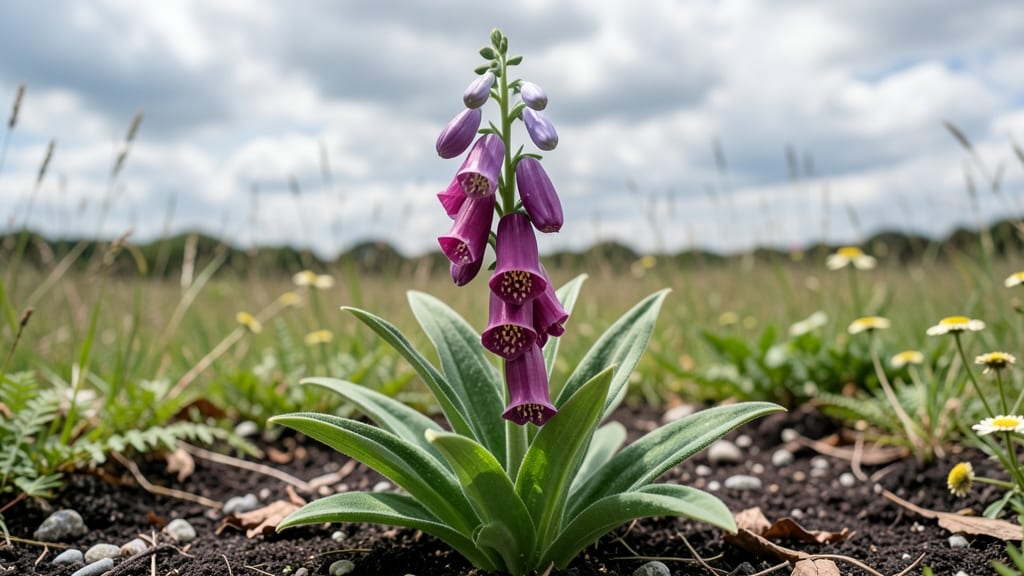
Foxglove blooms all summer depends on the variety and growing conditions—most types flower from late spring through early fall, with some late-season cultivars extending blooms into summer's final weeks when given proper care and optimal growing conditions.
Foxglove's flowering season is naturally limited by its growth cycle, which is triggered by cooler spring temperatures and longer daylight hours. 🌸 The classic purple foxglove (Digitalis purpurea) typically peaks in early summer but can be coaxed into a second flush with deadheading—removing spent blooms encourages new flowers to form.
Regional climates play a huge role too: northern gardeners often see shorter bloom windows compared to warmer southern zones where summer heat might even prolong flowering in some varieties.
What many gardeners don't realize is that foxglove's second-year blooms tend to be more abundant than first-year plants. This means if you planted foxglove last spring, you're likely to see more continuous blooms this summer.
The key is maintaining consistent moisture without waterlogging the soil—foxglove roots need good drainage but hate drying out completely. A light application of balanced fertilizer in early summer can also give your plants the boost they need to keep producing those iconic bell-shaped flowers.
💡 In This Article
- Foxglove Flowering Seasons by Variety
- Extending Foxglove Blooms Through Summer
Foxglove flowering seasons by variety
The flowering timeline of foxglove varies dramatically between species and cultivars, with Digitalis purpurea (common foxglove) typically blooming from late May to July in most temperate climates.
Its flowers emerge on 3-5 foot tall spikes, each containing 20-30 bell-shaped blossoms that open sequentially from bottom to top—a process called "raceme" flowering. In contrast, Digitalis grandiflora (yellow foxglove) often blooms slightly later, from June through August, with more compact 2-3 foot spikes and larger individual flowers.
Daylight hours are the primary trigger for foxglove blooming, with most varieties requiring 14-16 hours of daylight to initiate flowering. This explains why northern gardeners (above 40° latitude) see shorter bloom windows—longer summer days in southern regions can extend flowering by 2-4 weeks.
For example, in Zone 7 climates, foxglove may continue blooming into early September when nights remain warm, while in Zone 5, blooms typically taper off by mid-August due to cooler temperatures.
What's fascinating is how foxglove responds to temperature shifts. The plant's flowering mechanism is tied to a process called vernalization—cool spring temperatures (50-55°F) trigger bud formation, while warmer summer days (75-85°F) promote bloom opening.
This is why foxglove often produces its most abundant flowers in second-year growth—plants establish strong root systems in their first year, then focus on flowering in their second, given proper conditions.
Color variations also affect bloom timing. White foxglove varieties tend to bloom slightly earlier than purples or yellows, while bicolor cultivars (like 'Pam's Choice') often have extended bloom periods due to their hybrid vigor.
The key distinction lies in their genetic flowering triggers—some varieties are more sensitive to photoperiod changes than others, which is why you might see Digitalis obscura (woodland foxglove) bloom as late as September in shaded woodland gardens.
Regional microclimates create dramatic differences too. In coastal areas with moderate temperatures, foxglove may bloom continuously from May through October, while inland gardens with hotter summers often see 3-4 week bloom windows.
The humidity factor plays a role here—drier inland climates can cause buds to drop prematurely, while coastal fog keeps flowers hydrated and vibrant longer.
For gardeners hoping to extend the season, understanding these variety-specific patterns is crucial.
While no foxglove will bloom nonstop all summer, strategic planting of early (Digitalis grandiflora), mid (Digitalis purpurea), and late (Digitalis obscura) bloomers can create a 3-month continuous display when combined with proper care techniques.