
Blooming
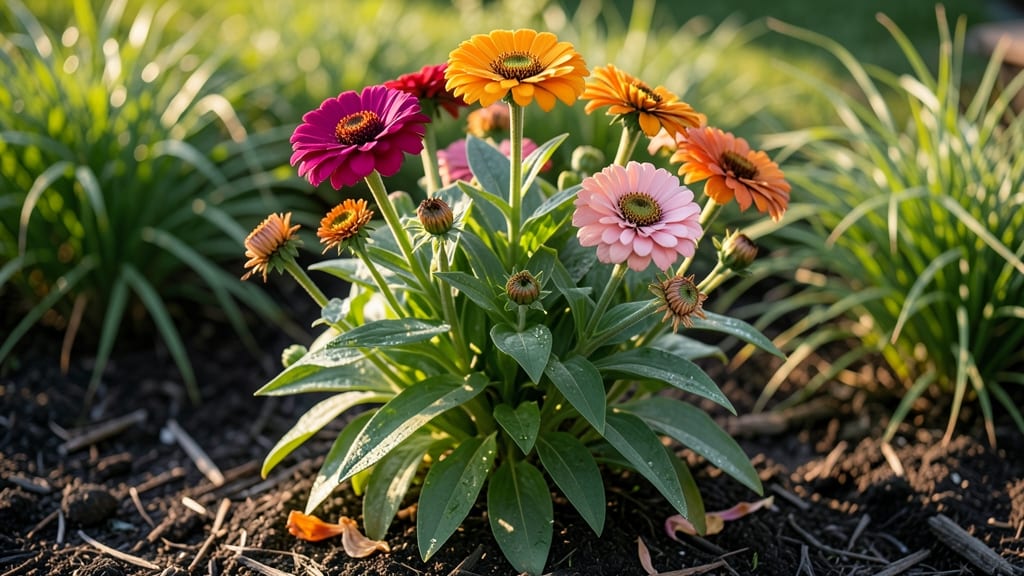
Zinnias bloom more than once, but reblooming depends on variety: single-bloom types (like 'Benary’s Giant') produce one flower per stem, while deadheading spent blooms encourages repeat flowering in many varieties, especially in warm climates or with proper care.
Whether zinnias bloom again depends on their type and how you care for them. 🌸 Many varieties—like 'Profusion' or 'Crystal'—are bred to produce multiple flowers per stem, but even single-bloom types can rebloom if you trim them back properly.
The key is removing faded blooms before they form seeds, which redirects the plant's energy to new growth. I've seen zinnias in my garden continue flowering for months when given consistent deadheading and enough sunlight, especially in warmer regions.
What makes zinnias so rewarding is how responsive they are to basic gardening practices. Regular watering and occasional fertilizer boosts their resilience, while proper spacing improves airflow to prevent disease. In cooler climates, you might need to protect them with row covers or bring potted zinnias indoors during frost.
The payoff? A garden that stays vibrant well into fall with minimal effort.
💡 In This Article
- Zinnia Reblooming Science: How Cutting and Deadheading Work
- Best Zinnia Varieties for Multiple Blooms and Care Tips
Zinnia reblooming science: how cutting and deadheading work
The secret to zinnias reblooming lies in their botanical energy allocation. When a zinnia flower fades, it begins producing ethylene gas—a natural plant hormone that signals seed formation. This process diverts the plant's energy from producing new blooms to creating seeds.
By removing spent flowers (deadheading), you eliminate this ethylene signal, allowing the plant to redirect its resources to forming new buds at the base of the stem. This redirection can produce up to 3-5 new flowers per stem in responsive varieties like 'Profusion' zinnias.
Light exposure plays a critical role too. Zinnias need 6-8 hours of direct sunlight daily to maintain vigorous growth. When days shorten in late summer, many varieties naturally slow production. However, consistent deadheading can extend flowering by 4-6 weeks in warm climates (USDA zones 7-11).
The key is timing: remove flowers when they're just past their prime but before seed heads form—typically when petals start curling inward. This precise window prevents energy waste while maximizing reblooming potential.
Temperature also influences reblooming cycles. Zinnias thrive in 70-85°F conditions, where metabolic processes operate optimally. Below 60°F, growth slows dramatically, often halting new flower production entirely. In cooler regions, gardeners can trick zinnias into reblooming by providing afternoon shade during heatwaves or using row covers to maintain consistent warmth.
The plant's ability to rebloom is fundamentally tied to these environmental cues—light, temperature, and hormonal signals working in harmony.
What most gardeners overlook is the root system's role. A well-established zinnia develops a robust root network that stores energy for future growth. When you deadhead regularly, you're essentially creating a feedback loop: the plant perceives less competition for resources (from seed production) and invests more in vegetative growth.
This is why zinnias planted in well-draining, nutrient-rich soil with 1-2 inches of water weekly can produce continuous blooms through fall.
Consider these botanical factors when planning your deadheading schedule:
- Variety response: Double-bloom types (like 'Crystal') typically rebloom more vigorously than single-bloom varieties
- Seasonal timing: Early summer deadheading yields more fall blooms than late-season pruning
- Climate adaptation: Southern gardeners can deadhead weekly, while northern growers should focus on late-summer maintenance
The science behind zinnia reblooming shows how small interventions can dramatically alter plant behavior. By understanding these mechanisms, you're not just pruning flowers—you're actively participating in the plant's growth cycle. This knowledge transforms zinnias from seasonal bloomers to long-lasting garden stars. 🌿