
Blooming
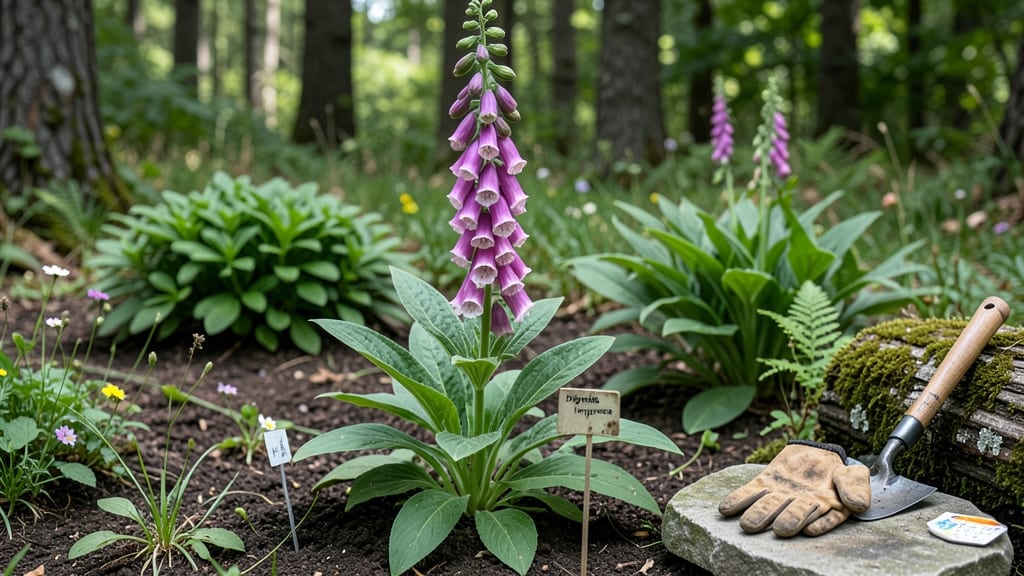
Foxgloves don't bloom every year—they're biennials, not perennials, and that's the first lesson most gardeners learn the hard way. 🌿 I've watched my own plants follow this exact pattern: first year, they focus on growing sturdy leaves; second year, they reward you with those iconic bell-shaped flowers.
But here's the twist: with the right care, you can coax them to bloom more often than you'd expect.
The key is understanding their life cycle and working with it. Foxgloves store energy in their roots, so they need consistent moisture and rich soil to build up strength for next year's blooms.
I've found that dividing mature clumps every 3-4 years gives them a fresh start, and deadheading spent blooms encourages a second flush in some varieties. It's not magic—just paying attention to what they need.
What you end up with is a garden that feels like it's always in bloom, even if the plants themselves take a year to recover. The tall spikes of purple, pink, or white become a showstopper in late spring to early summer, and the foliage adds texture year-round.
The secret is patience—foxgloves reward gardeners who give them space and proper care.
Whether you're dealing with established plants or starting from seed, the same principles apply. Foxgloves thrive in partial shade and well-drained soil, making them perfect for woodland gardens or shady borders.
With these tips, you'll get more blooms, more often—and fewer surprises when the flowers seem to disappear for a season.
📚 In This Guide
- What you need
- Instructions
- Tips and common mistakes
- Wrapping up and next steps
What you need
- ● Foxglove seeds: Fresh or stored seeds (collected from mature blooms or purchased from a nursery). Pro tip: 💡 Seeds need cold stratification (6-8 weeks in the fridge) to germinate—skip this, and you’ll wait forever!
- ● Well-draining soil: A mix of 50% garden soil, 30% compost, and 20% perlite/sand (foxgloves hate soggy roots!). pH 6.0–7.0 is ideal.
- ● Containers or garden bed: For seeds: Small pots (4–6 inches deep) or seed trays with drainage holes.
- ● For transplants: Spacious beds (18–24 inches apart) or large containers (at least 12 inches deep).
- ● Watering can or hose: With a fine mist nozzle (foxgloves dislike wet foliage).
- ● Fertilizer: Balanced 10-10-10 or low-phosphorus organic fertilizer (like fish emulsion). ✨ Feed lightly—too much nitrogen = lush leaves, few blooms!
- ● Pruners: Sharp, clean bypass pruners (for deadheading or cutting back spent stems).
- ● Cold frame or greenhouse: For extending the growing season or overwintering young plants.
- ● Mulch: 2–3 inches of straw or shredded leaves to retain moisture and suppress weeds.
- ● Stakes or cages: Tall foxgloves (up to 5 feet!) may need support in windy areas.
- ● Compost tea or mycorrhizal fungi: Boosts soil health for better reblooming.
- ● Seed-saving envelopes: If you want to collect and store seeds for next year!
Understanding foxglove's biennial cycle and how to encourage repeat blooms
Here’s why foxgloves often skip blooming—and how to coax them back year after year.
🌱 Step 1: Recognize the Biennial Nature of Foxgloves
Foxgloves (Digitalis purpurea) are biennials, meaning they follow a two-year life cycle. In their first year, they focus on growing a sturdy rosette of leaves to store energy. Only in their second year do they send up that iconic flower spike. After blooming, the plant sets seed and typically dies—unless you intervene.
Watch for the first-year rosette: a circular cluster of large, hairy leaves close to the ground. This is your plant’s "recharge" phase. If you see a mature rosette, it’s ready to bloom next season. But if you’ve had foxgloves for years and they’ve stopped flowering, the plants may have exhausted their energy or gone to seed without replanting.
☀️ Step 2: Provide Ideal Growing Conditions for Year-Round Health
Foxgloves thrive in partial shade to full sun, but too much direct sunlight can stress them, reducing their energy for blooming. Aim for 3-6 hours of morning sun and afternoon shade, especially in hot climates. They prefer well-draining soil with a slightly acidic to neutral pH (around 6.0-7.0).
Water consistently to keep the soil evenly moist but not soggy. Let the top inch dry out between waterings—foxgloves hate "wet feet" but also struggle in drought. Mulch with 2-3 inches of organic matter (like shredded leaves or compost) to retain moisture and protect roots from temperature swings.
🌿 Step 3: Encourage Reblooming with Strategic Pruning and Fertilizing
After foxgloves finish blooming, cut the spent flower spikes back to the base—but leave the leaves. Those leaves are still photosynthesizing, feeding the roots for next year’s bloom. If you see yellowing or dying leaves, prune them selectively to avoid weakening the plant.
In early spring, apply a balanced, slow-release fertilizer (like 10-10-10) around the base of the rosette. This gives the plant a nutrient boost without overwhelming it. Avoid high-nitrogen fertilizers—they promote leafy growth at the expense of flowers. Foxgloves are light feeders, so a single application in spring is often enough.
⏰ Step 4: Collect and Plant Seeds for a Continuous Display
Let some flower spikes go to seed to ensure a fresh supply of plants. Once the seed pods turn brown and dry, gently twist them off and scatter seeds in the garden. Foxglove seeds need cold stratification (a period of cold, moist conditions) to germinate, so sow them in fall or early spring. They may take 2-3 weeks to sprout, so be patient.
Alternatively, divide mature rosettes in early spring. Dig up a clump, separate the individual rosettes, and replant them 12-18 inches apart. This rejuvenates the plants and ensures a steady supply of blooms. Just handle them gently—foxgloves resent root disturbance.
💧 Step 5: Protect Foxgloves from Common Stressors That Stunt Blooms
Overcrowding is a major culprit for non-blooming foxgloves. Thin seedlings to 12-18 inches apart** so each plant has room to grow. If your garden is shaded by trees or tall perennials, consider transplanting foxgloves to a sunnier spot—they’ll reward you with more robust blooms.
Pests like slugs and snails can decimate young rosettes, while powdery mildew may appear in humid conditions. Monitor plants regularly and treat issues early. A light spray of neem oil can deter pests, and improving air circulation (by spacing plants properly) reduces fungal risks. Healthy foxgloves are resilient but need a little help to bounce back.
Tips & tricks for encouraging repeat foxglove blooms
Let me share the secrets I’ve discovered after years of growing foxgloves—because understanding their quirks is half the battle.
Life Cycle Insight: The biennial nature of foxgloves means their first year is all about building roots. You’ll know they’re ready to bloom next year when you see that sturdy rosette of leaves. If your plants have stopped flowering after several years, they might have exhausted their energy or gone to seed without replanting. This is why I always let some flower spikes mature and self-seed—it ensures a fresh supply of young plants that’ll bloom reliably.
Sunlight Strategy: Those 3-6 hours of morning sun mentioned in Step 2 are crucial. Too much direct afternoon sun can stress the plants, while too little light means they won’t have the energy to produce those dramatic flower spikes. I’ve found that planting foxgloves near taller perennials that provide afternoon shade works beautifully. They’ll still get their morning light while avoiding the midday heat that can scorch their delicate leaves.
Pruning Precision: When you cut back those spent flower spikes in Step 3, resist the urge to trim the leaves too! Those leaves are still working hard to feed the roots for next year’s blooms. I’ve made the mistake of over-pruning in the past—my foxgloves took forever to recover. Just remove the dead flower stalks and any yellowing leaves, leaving the healthy foliage intact.
Fertilizer Timing: That balanced 10-10-10 fertilizer in early spring is your secret weapon. Foxgloves are light feeders, but they do appreciate that nutrient boost in the growing season. I’ve learned to avoid high-nitrogen fertilizers—they’ll give you lush leaves but no flowers. Think of it as giving your plants a gentle energy drink rather than a heavy meal.
Pro Tips for Do Foxgloves Bloom Every Year
- Let me share the secrets I’ve discovered after years of growing foxgloves—because understanding their quirks is half the battle.
- Life Cycle Insight: The biennial nature of foxgloves means their first year is all about building roots.
- Sunlight Strategy: Those 3-6 hours of morning sun mentioned in Step 2 are crucial.
Frequently asked questions
Got questions about foxgloves and their blooming habits? You’re not alone! Here are some of the most common queries—plus straightforward answers to help you keep your garden thriving.
Why don’t my foxgloves bloom every year?
Foxgloves are biennials, meaning they typically bloom in their second year before dying. However, some varieties may rebloom if given proper care—like deadheading spent flowers or providing rich, well-draining soil. If they’re not blooming, check for overcrowding or poor light.
How long does it take for foxgloves to bloom after planting?
If planted as seeds, foxgloves usually take 12–18 months to bloom. For faster results, opt for nursery-grown plants—they may flower in their first year. Patience is key, but consistent moisture and sunlight speed up the process!
Can I encourage foxgloves to rebloom?
Yes! After the first bloom cycle, cut back the flower spikes but leave the lower leaves. Keep the soil moist and fertilize lightly. Some varieties (like Digitalis purpurea) may produce a second, smaller bloom in late summer—though it’s not guaranteed.
What’s the best way to overwinter foxgloves?
Foxgloves are hardy but benefit from a thick layer of mulch (2–3 inches) in winter. Avoid disturbing the roots, and ensure they’re in a sheltered spot. If your climate is extremely cold, a light frost cover can help protect them until spring.
Are there perennial foxgloves that bloom yearly?
Most foxgloves are biennial, but some hybrid varieties (like Digitalis grandiflora) may act more like perennials, reblooming sporadically. For guaranteed annual blooms, consider perennial alternatives like delphiniums or hollyhocks—they’re just as dramatic!
Wrapping up and next steps
So, do foxgloves bloom every year? The answer is yes—but with a twist! 🌿 While they’re biennials by nature, proper care (like deadheading, fertilizing, and protecting from pests) can turn them into reblooming stars for multiple seasons.
With patience and the right techniques, you’ll enjoy their striking spikes year after year!
Ready to level up your foxglove game? 🌸 Start by applying these reblooming hacks this season—your garden will thank you! Whether you’re a newbie or a seasoned gardener, every bloom is a win.