
Blooming
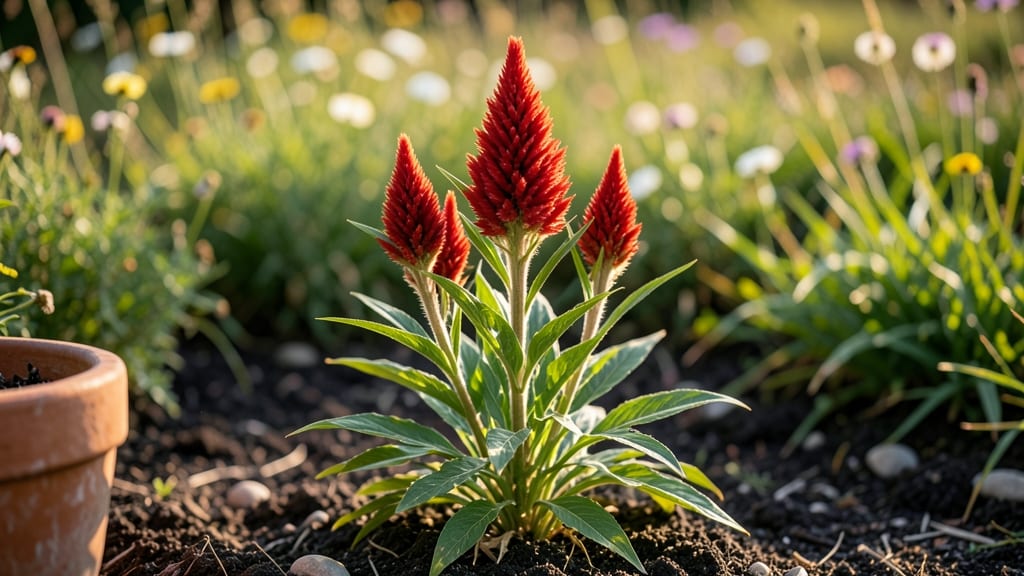
The celosia bloom time thrives when triggered by summer heat 🌸, typically bursting into color from mid-July through September in most U.S. zones.
If you’ve ever planted celosia and wondered why some varieties burst into vibrant blooms while others linger in leafy frustration, the answer lies in their heat-triggered bloom cycles—and your growing zone.
Plumed celosia, like ‘Pink Flamingo’, often starts blooming first in Zone 6a, while cockscomb types (such as ‘Chocolate’) may wait until late summer’s peak heat.
Below, I’ll break down how to time your planting for maximum blooms, extend the season with simple care tips, and troubleshoot why your celosia might be playing hard to bloom.
Celosia bloom time by variety: when to expect colorful heat-triggered flowers
Celosia plants are famous for their heat-loving nature and vibrant, long-lasting blooms. But did you know their bloom windows vary wildly depending on the variety and your USDA zone?
I’ve grown celosia for years, and I can tell you—timing is everything when you want those fiery plumes to appear.
The secret lies in understanding how plumed, cockscomb, and velvet celosia respond to heat. Some varieties bloom early in the season, while others wait until late summer when temperatures peak. Let’s break down what to expect from each type so you can plan your garden for maximum impact.
Here’s the key: Celosia needs consistent warmth—typically 75°F+ for plumed types and 80°F+ for cockscomb varieties. If your zone is cooler, you’ll need to adjust planting times or use heat-loving companion plants to trigger blooms.
Plumed celosia, like the 'Cristata' series, is the early bloomer of the bunch. In USDA Zone 7, you’ll see those feathery plumes appear by late July, while in Zone 9, they’ll start as early as June when temperatures climb.
These varieties thrive in full sun and well-draining soil, so don’t skimp on the heat!
Cockscomb celosia, or 'Plumosa', is the dramatic late-season performer. Its bold, crested blooms need warmer temperatures (80°F+), which is why they often wait until August or September in cooler zones. In Zone 9, you might even see blooms stretching into November if you’re lucky!
Velvet celosia, or 'Argentea', is the mid-season surprise. It blooms slightly later than plumed types but earlier than cockscomb, making it perfect for extended color in your garden. The silver and burgundy hues add a unique touch, and they’re slightly more drought-tolerant than other varieties.
Pro tip: If you’re in a cooler zone (Zone 6 or below), start seeds indoors 8-10 weeks before your last frost date. Use grow lights to simulate warmth, and transplant outdoors only after soil temperatures hit 65°F+.
This gives your celosia a head start on the heat it craves.
For gardeners in hotter zones (Zone 9+), you can push your luck and plant earlier. I’ve seen plumed celosia bloom as early as May in Southern California with consistent afternoon sun. Just be prepared to water deeply during dry spells to keep those blooms vibrant.
One mistake I see often? Planting celosia too early in cooler climates. The plants may grow leaves, but they’ll refuse to bloom until temperatures rise. Always check your average last frost date and wait until after May 15 in most northern regions for reliable blooms.
Ready to extend your celosia’s bloom time? Try deadheading spent flowers regularly—this encourages new growth and prolongs blooming by up to 4-6 weeks. And if you’re feeling adventurous, mix varieties
How climate zones affect celosia bloom time: a gardener’s guide to success
Celosia thrives on heat, but your USDA zone determines when—and how long—those fiery blooms appear. In hot zones (8-11), celosia often bursts into color by late June, while gardeners in cooler zones (5-7) may wait until mid-July or later.
The key? Adjusting your planting schedule and care routine to match your climate’s unique rhythm.
For example, in Zone 9, I start seeds indoors by mid-March to ensure blooms by early summer, while my Zone 7 neighbors wait until late April for direct sowing.
The difference? Heat accumulation—celosia needs consistent temperatures above 70°F to trigger blooming, and cooler zones simply take longer to reach that threshold.
- 🌡️ Zone 5-7: Plant after May 15—soil must stay above 60°F for 2+ weeks before blooming begins. Use black plastic mulch to warm roots faster.
- 🌡️ Zone 8-9: Start seeds indoors by March 1 for June blooms. Transplant after last frost (typically April 1 in Zone 8). Succession plant every 2 weeks for continuous color.
- 🌡️ Zone 10-11: Direct-sow March 15-April 1 for May-June blooms. No winter dormancy needed—treat as a year-round bloomer with proper watering.
- 💧 Watering hack: In hot zones, water deeply every 3 days to prevent stress. In cooler zones, reduce to every 5-7 days once established.
- ☀️ Sunlight tip: Zone 5-7 gardeners should place celosia in the southernmost spot of the garden. Zone 8+? Provide afternoon shade to prevent leaf scorch.
Soil preparation also shifts with your zone. In cooler climates (Zones 5-7), amend soil with compost and aged manure to jumpstart growth—celosia needs fertile, well-draining soil to compensate for slower warming. Meanwhile, in hot zones (Zones 8-11), focus on sandy loam to prevent waterlogging, which can stunt blooms.
Don’t overlook deadheading—critical in hot zones where celosia blooms nonstop. Snip spent flowers weekly to encourage longer, more vibrant blooms. In cooler zones, deadhead every 2 weeks to extend the season by 3-4 weeks. Pro tip: Use sterilized scissors to avoid spreading disease in humid climates.
For Zone 5-7 gardeners, consider container growing—pots warm up faster than garden beds. Place containers on black trays or heat-absorbing bricks to mimic Zone 8+ conditions. I’ve seen celosia in 5-gallon pots bloom 2 weeks earlier than in-ground plants!
Finally, watch for frost. In Zones 6-7, protect late-season blooms with frost cloth after September 15. In Zones 8+, celosia often reblooms after light pruning—simply cut back 1/3 of the plant in late fall for a spring surprise.